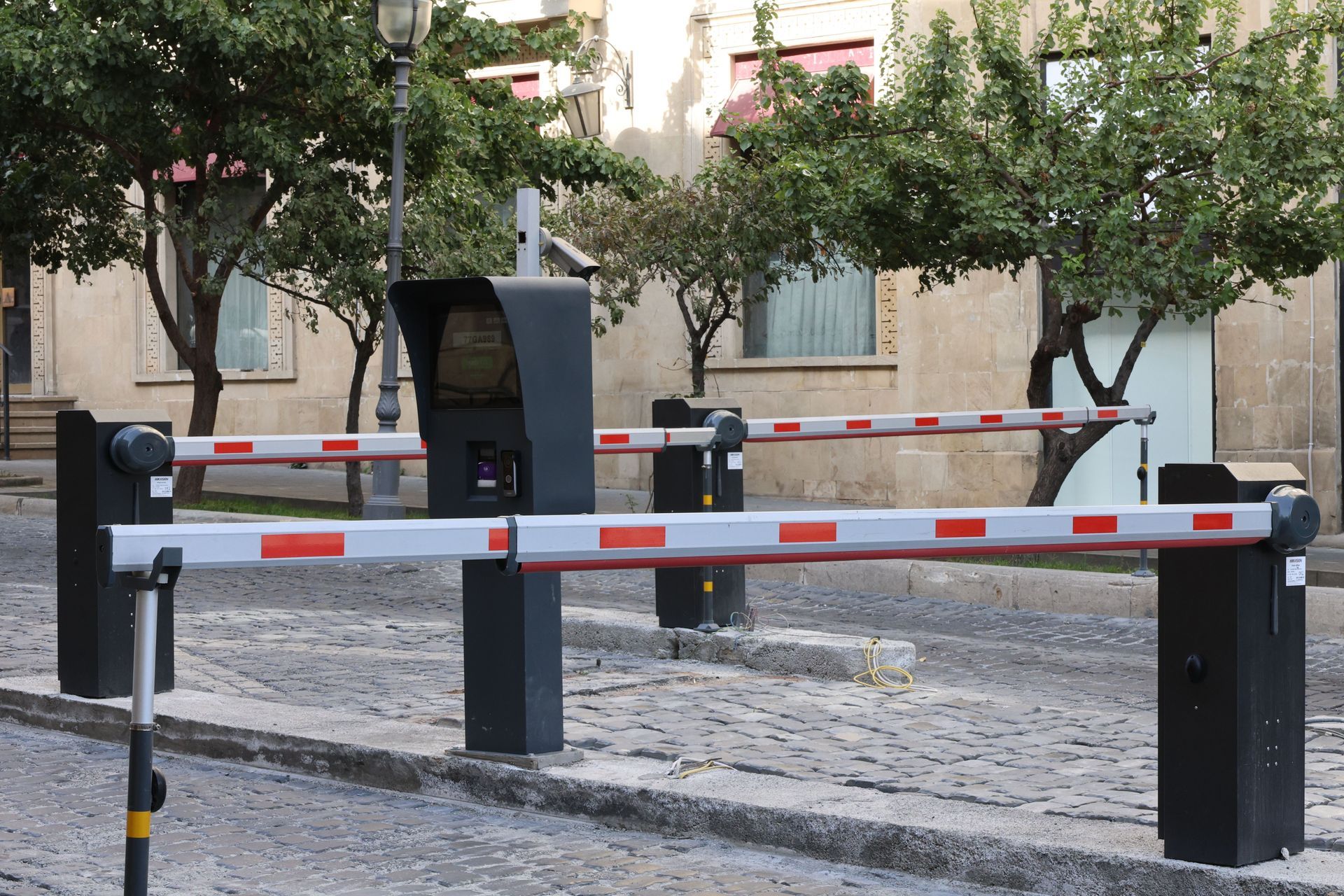
Keycard & Fob Entry Systems in Atlanta, GA: Modern Access Control for Business Security
What Keycard and Fob Entry Systems Are and Why Atlanta Businesses Use Them
For many Atlanta, GA businesses, traditional keys create more problems than they solve. Keys can be lost, copied without permission, passed between employees, or never returned after someone leaves a company. When a key goes missing, the “fix” often means rekeying locks, redistributing keys, and hoping no one kept a copy. That approach can be expensive, time-consuming, and difficult to manage across multiple doors or multiple locations.
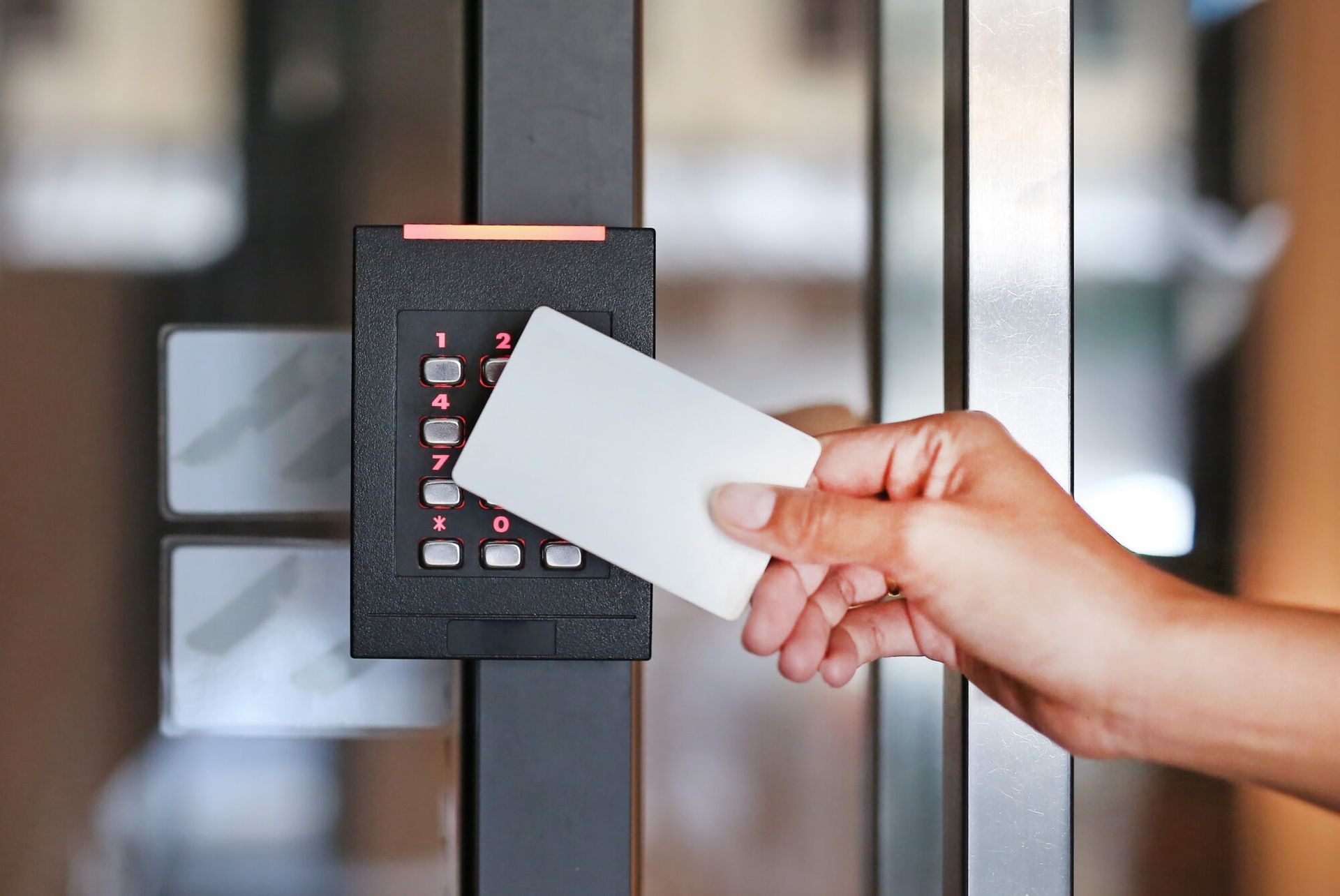
Keycard and key fob entry systems solve this by replacing physical keys with electronic credentials. Instead of turning a metal key in a lock, an authorized user presents a keycard or fob to a reader installed near the door. The system verifies permissions and unlocks the door if access is approved. Access rights are managed digitally, making it simple to grant, remove, or change permissions without changing hardware at every doorway.
In Atlanta, credential-based access control is common in office buildings, healthcare facilities, warehouses, retail spaces, multi-tenant properties, and many professional environments where security and accountability matter. These systems allow businesses to control who can enter specific areas and when they can enter them, which is especially important for restricted spaces such as inventory rooms, server closets, management offices, or record storage.
One reason keycard and fob entry systems are so popular is that they provide security while also improving day-to-day convenience. Employees do not need a separate key for every door. Administrators can manage access centrally rather than tracking a growing collection of physical keys. And because permissions are handled through software, access can be adjusted quickly when roles change.
While systems vary by brand and configuration, most keycard/fob access control solutions share the same core components: door hardware, readers, controllers, a management platform, and credentials (cards or fobs). Many modern systems can also be configured to support mobile credentials, allowing a smartphone to function as a secure “digital badge” in addition to physical credentials.
Keycard and fob entry systems typically support business goals like:
- Reducing risk associated with lost or unreturned keys
- Controlling access by user role, department, or area
- Creating a clear record of door entry activity
- Supporting multi-door and multi-location growth
- Improving operational control without disrupting daily workflow
Because Atlanta businesses operate in a fast-moving environment—where employee turnover, contractors, and vendor access are common—credential-based access control offers a practical way to maintain security while staying flexible.
Security and Operational Benefits of Credential-Based Access Control
A well-designed keycard or fob entry system does more than unlock doors. It creates structure. Instead of relying on informal “who has a key” knowledge, the business can define access rules clearly and consistently. That clarity becomes valuable in daily operations and even more valuable during moments when accountability matters—such as after-hours access questions, internal incidents, or compliance reviews.
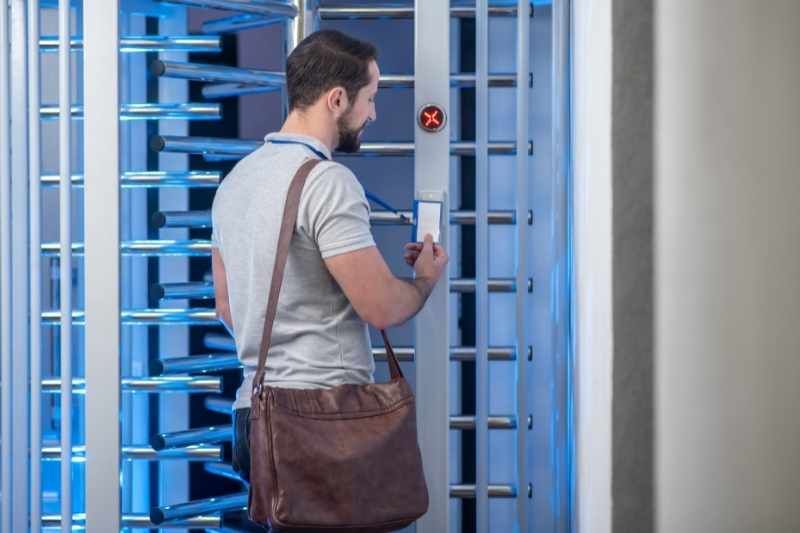
One major advantage is access control granularity. Different employees can have different permissions based on job function. A staff member might have access to general areas during business hours, while management may have access to secured areas at any time. This approach helps protect sensitive spaces and reduces the risk of unauthorized entry.
Another benefit is speed and control when changes occur. When an employee leaves, permissions can be removed without collecting keys. When a contractor needs temporary access, permissions can be added and then removed on a schedule. This reduces long-term exposure and prevents “credential drift,” where former employees or past vendors can still access a facility.
Keycard/fob systems can also support a stronger overall security posture when paired with common business practices. For example, many organizations adopt policies requiring individualized credentials rather than shared cards. This helps ensure access records are meaningful and provides better accountability.
From a business continuity perspective, credential-based access control can reduce friction during growth. If a company expands from one office suite to multiple suites, or adds warehouse space, an access control system can scale without requiring a complete rework of physical keys and locks.
Here are some of the most practical outcomes Atlanta businesses often see with keycard and fob access control:
- Instant deactivation: Lost fobs or cards can be removed from the system without rekeying doors.
- Time-based access: Permissions can be restricted to certain hours, reducing after-hours security concerns.
- Area-based access: Sensitive rooms can remain protected even if general access is needed elsewhere.
- Cleaner credential management: Permissions can be updated quickly as roles change.
- Audit-friendly activity records: Entry activity can be reviewed when questions arise.
In a city like Atlanta—where many businesses manage multiple teams, frequent deliveries, vendor access, and varied operational hours—these capabilities help reduce risk and create a more controlled facility environment.
It’s also worth noting that access control can be designed to match how people actually move through a building. Some businesses need strict perimeter control at the main entry with freer internal movement. Others need the opposite: easy lobby access but restricted internal zones. A good keycard/fob system supports either model, depending on the business’s workflow and security priorities.
How Atlanta Businesses Choose the Right Keycard/Fob System
Choosing an access control system is not only about selecting card readers or issuing fobs. The best results come from aligning system design with the building layout, the organization’s workflow, and future growth plans. A system that works well for a single office entrance may not be sufficient for a warehouse with multiple doors, shift schedules, and restricted inventory zones.
Atlanta businesses often start by identifying which doors should be controlled and what “success” looks like. For some, success means reducing key-related problems and keeping a simple, reliable system. For others, success includes deeper controls such as multiple permission groups, time schedules, and integration with cameras or alarms.
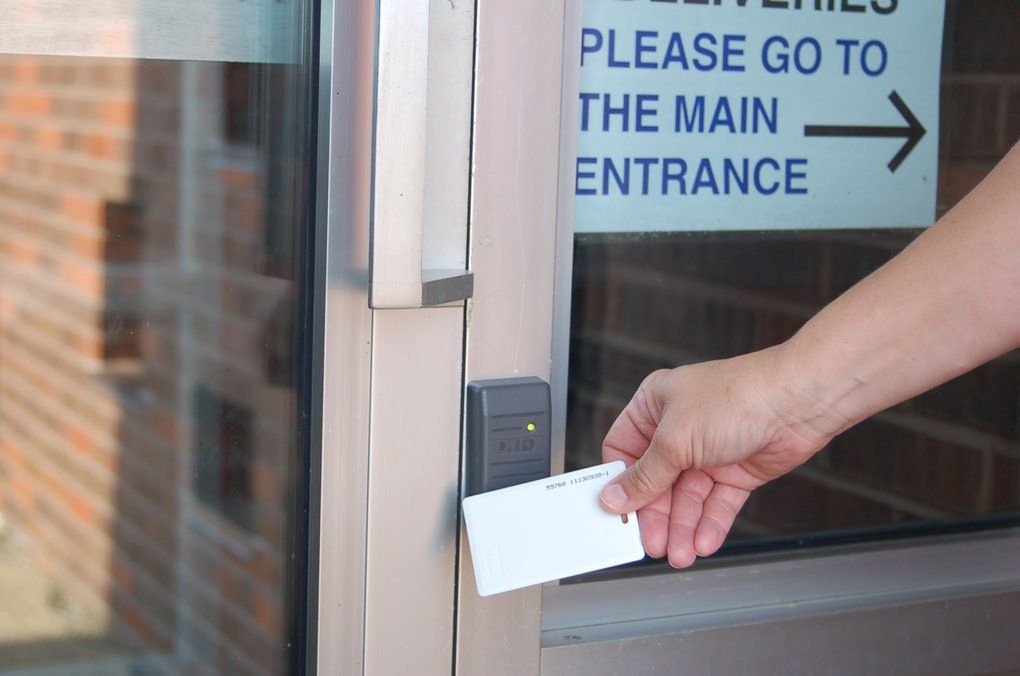
Credential choice also matters. Key fobs are durable, easy to carry, and popular for high-traffic teams. Keycards work well in environments where employees already wear badges. Some organizations use both, depending on the role. More recently, mobile credentials have become a practical add-on for teams that want to reduce physical credential management.
Implementation considerations include door hardware compatibility, power and wiring paths, network connectivity, and how administrators will manage the system. Some businesses prefer cloud-based management for remote control and easier multi-site oversight, while others prefer on-premise systems based on internal policies and infrastructure.
When evaluating keycard and fob entry systems, businesses commonly consider:
- Door and facility scope: How many access points need control now, and how many may be added later?
- Permission structure: Will access be role-based, department-based, or zone-based?
- Credential strategy: Cards, fobs, mobile credentials, or a combination?
- Management method: Cloud-based dashboard vs. local management depending on needs.
- Integration readiness: Whether future integration with cameras, alarms, or visitor workflows is expected.
For many organizations, the best system is the one that supports daily operations without creating friction. If employees routinely have access problems, they will prop doors open or find workarounds. A well-designed access control system reduces the incentive for those workarounds by making authorized access simple and consistent.
Although Power Access Control serves businesses throughout the Southeastern United States, Atlanta, GA remains a central hub for commercial access control needs due to the city’s dense commercial footprint, multi-tenant buildings, logistics facilities, and professional service environments. A properly configured keycard or fob system gives these organizations scalable control that can evolve as staffing, building usage, and security expectations change.
When implemented with thoughtful planning, credential-based access control becomes a foundation for physical security—supporting accountability, operational control, and long-term flexibility for Atlanta businesses.
RECENT PROJECTS