Access Control and Gate System Overhaul in Atlanta, GA
Transforming outdated gate systems into a modern, high-performance access control solution for Atlanta properties
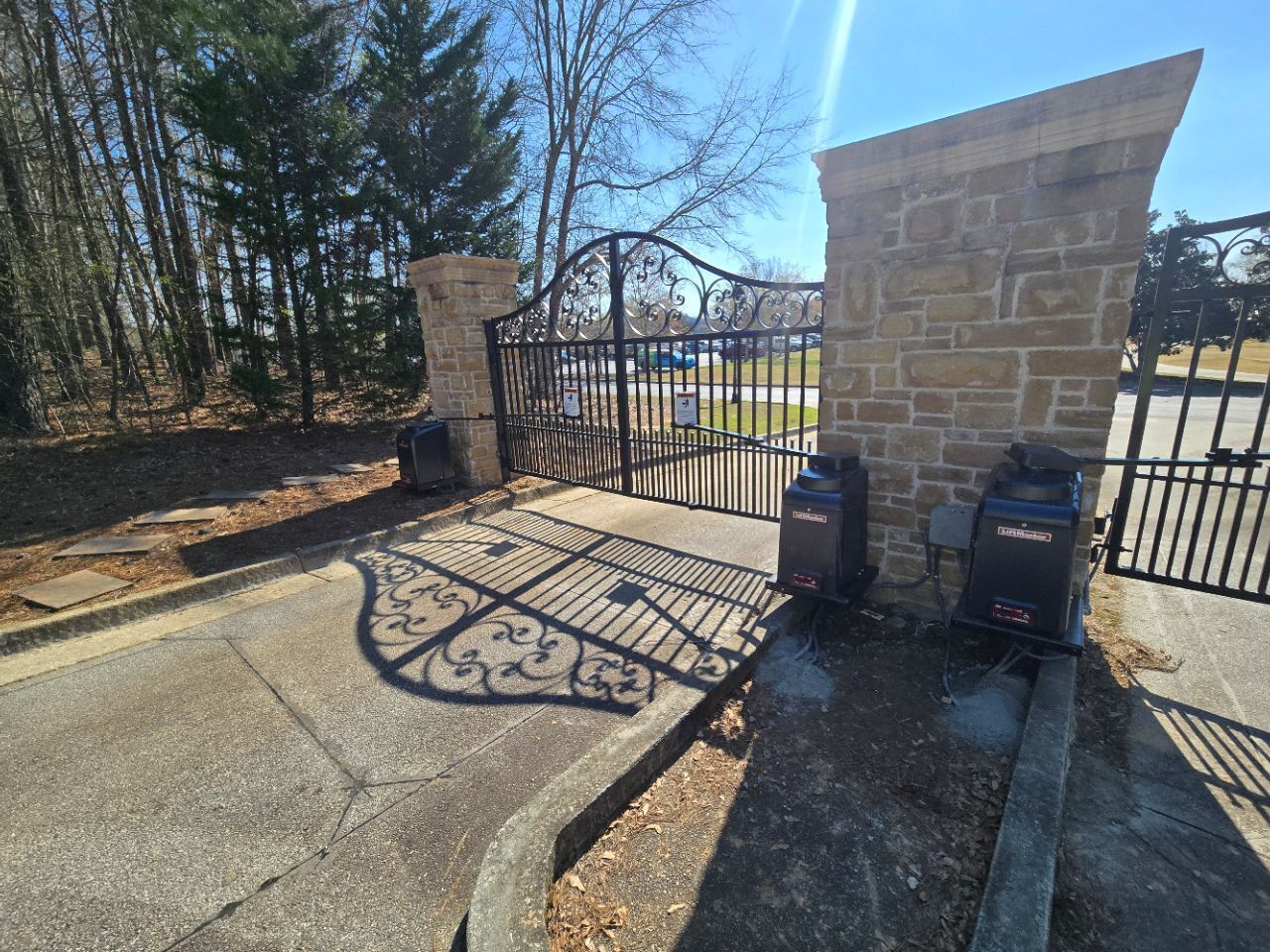
This project focused on upgrading both front and back gate systems with improved infrastructure, modern access control technology, and better traffic flow across the property.
This was a full-scale overhaul aimed at restoring reliability while bringing the entire system up to modern standards. Instead of patching isolated issues, the goal was to fix the root problems and build a clean, long-term solution that performs consistently in a high-traffic environment.
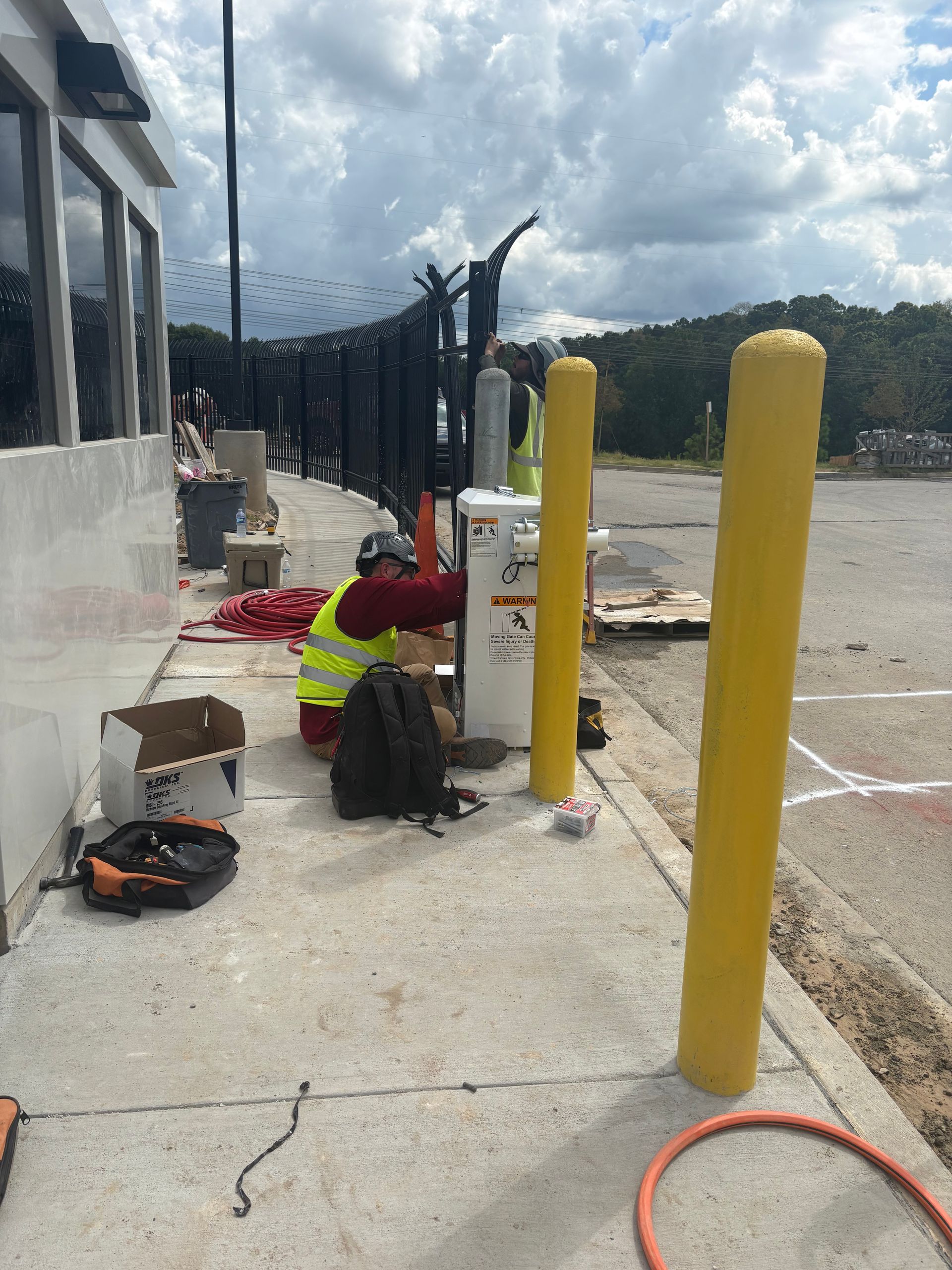
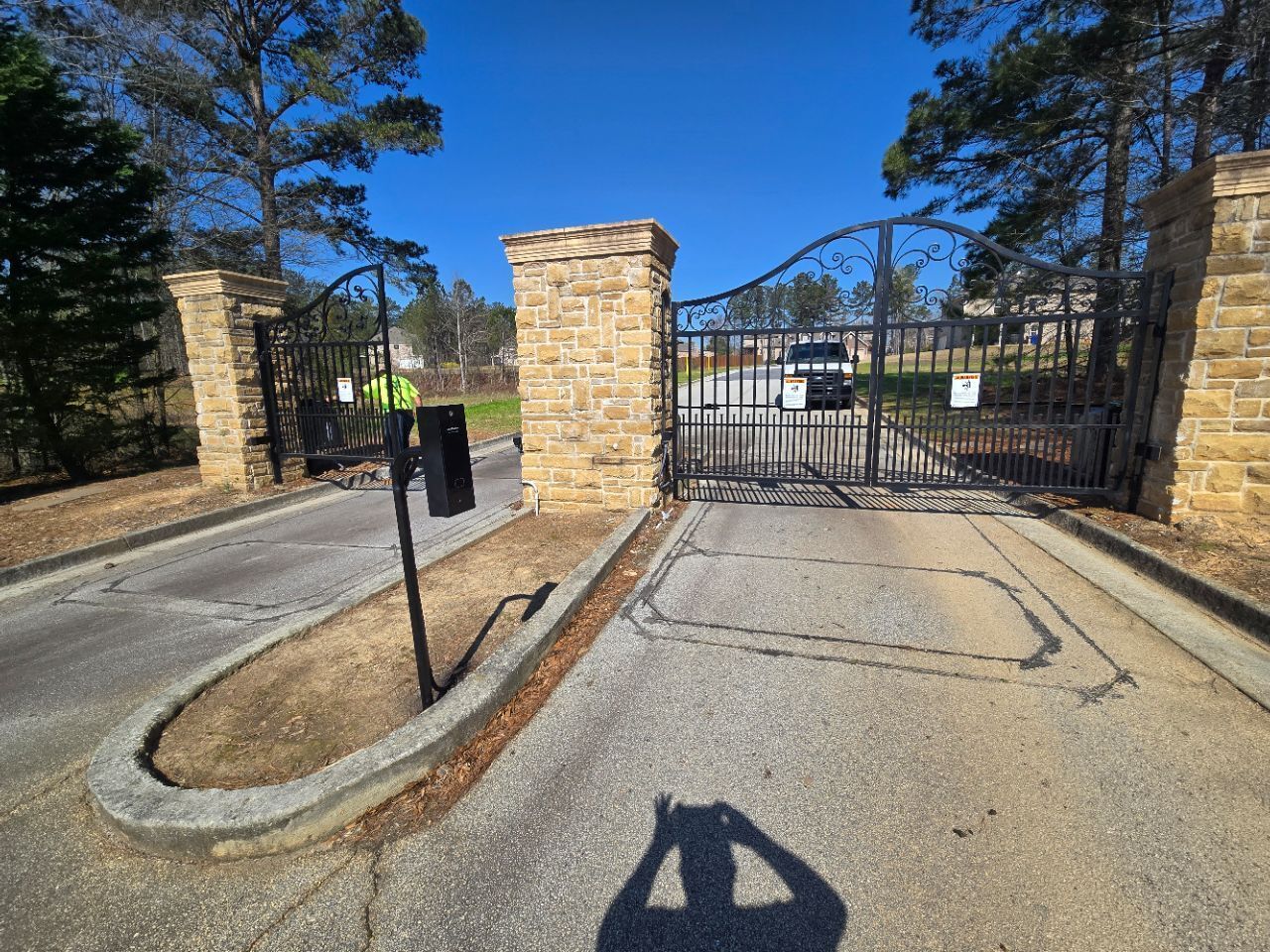
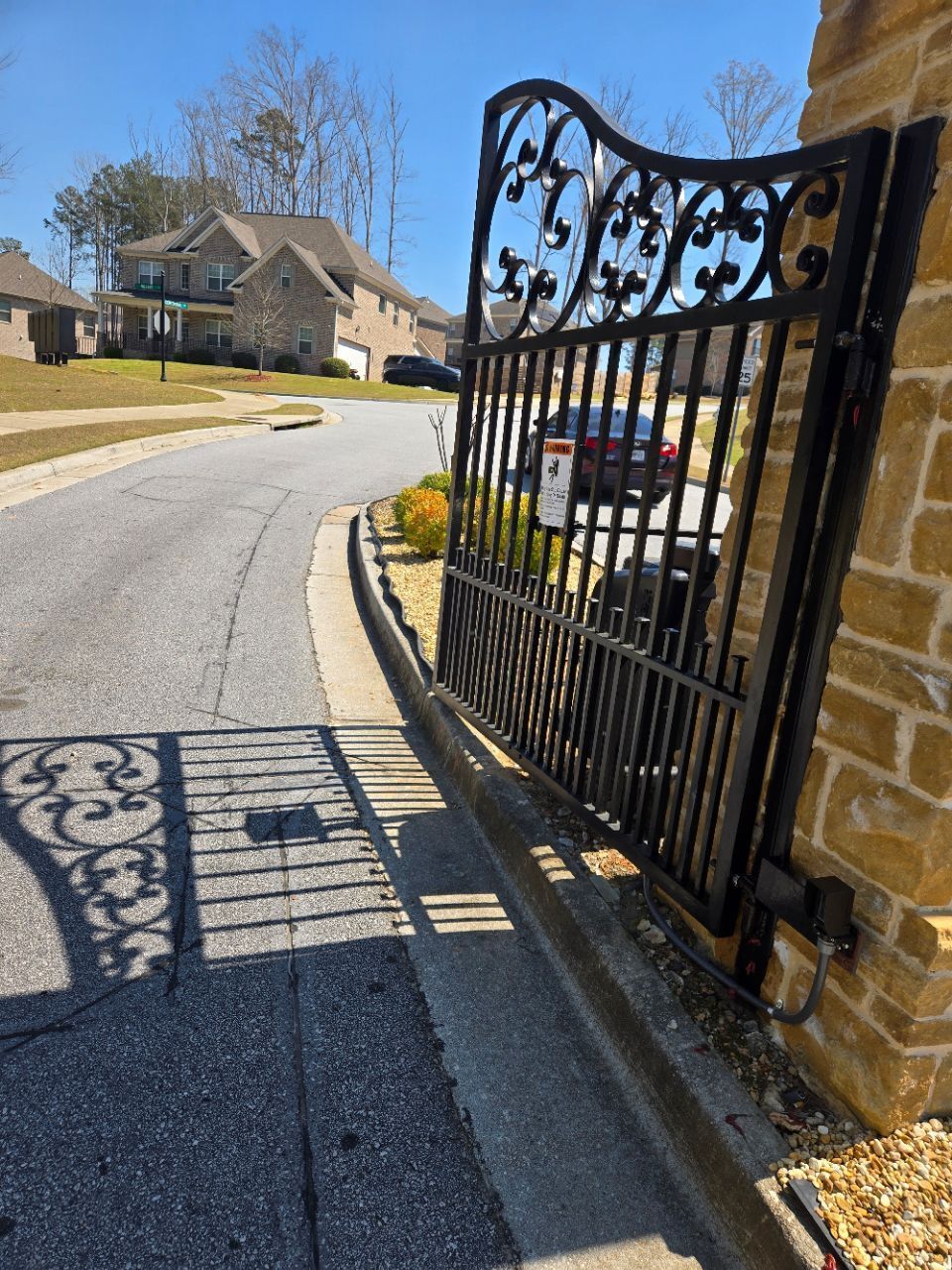
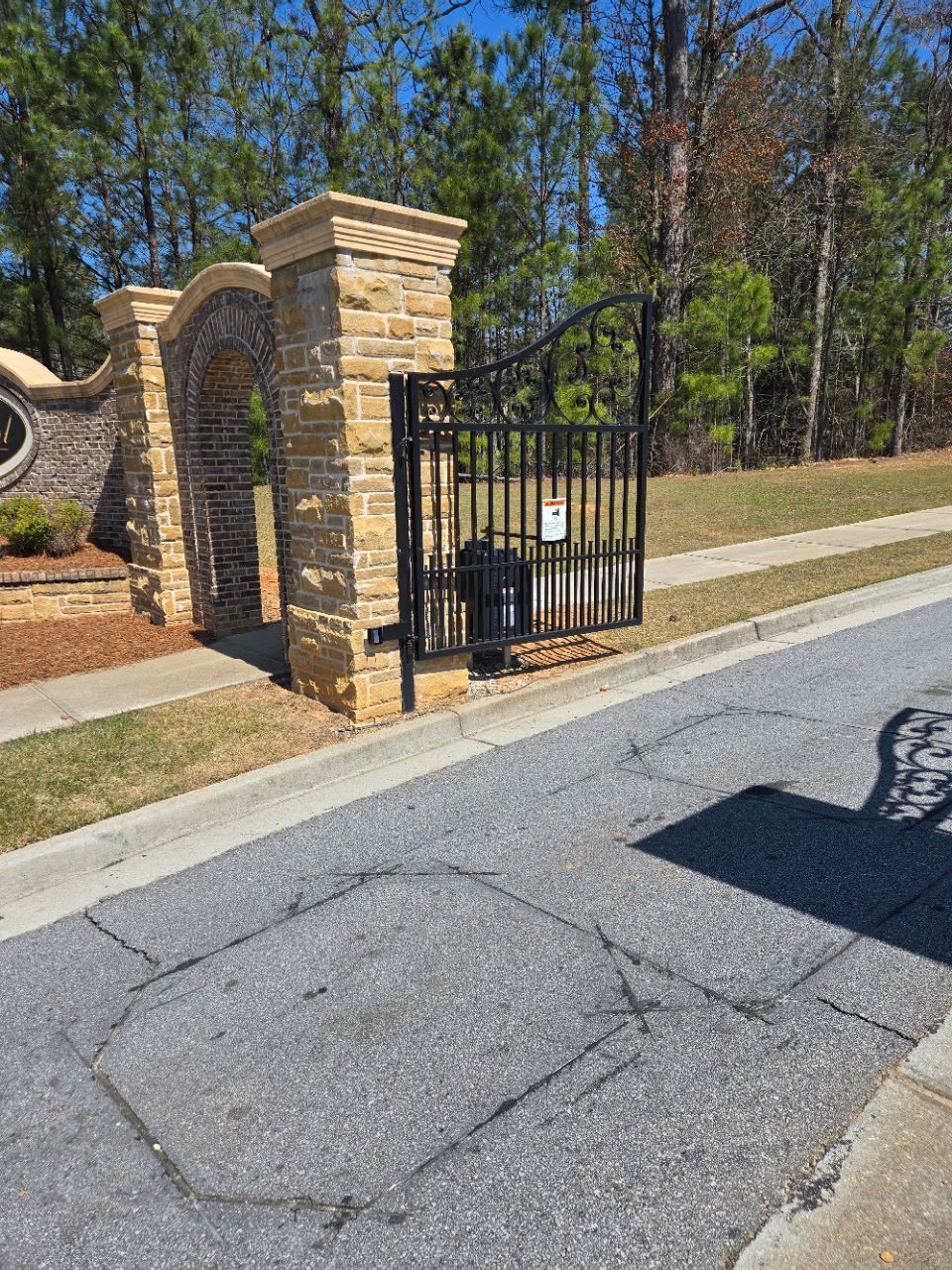
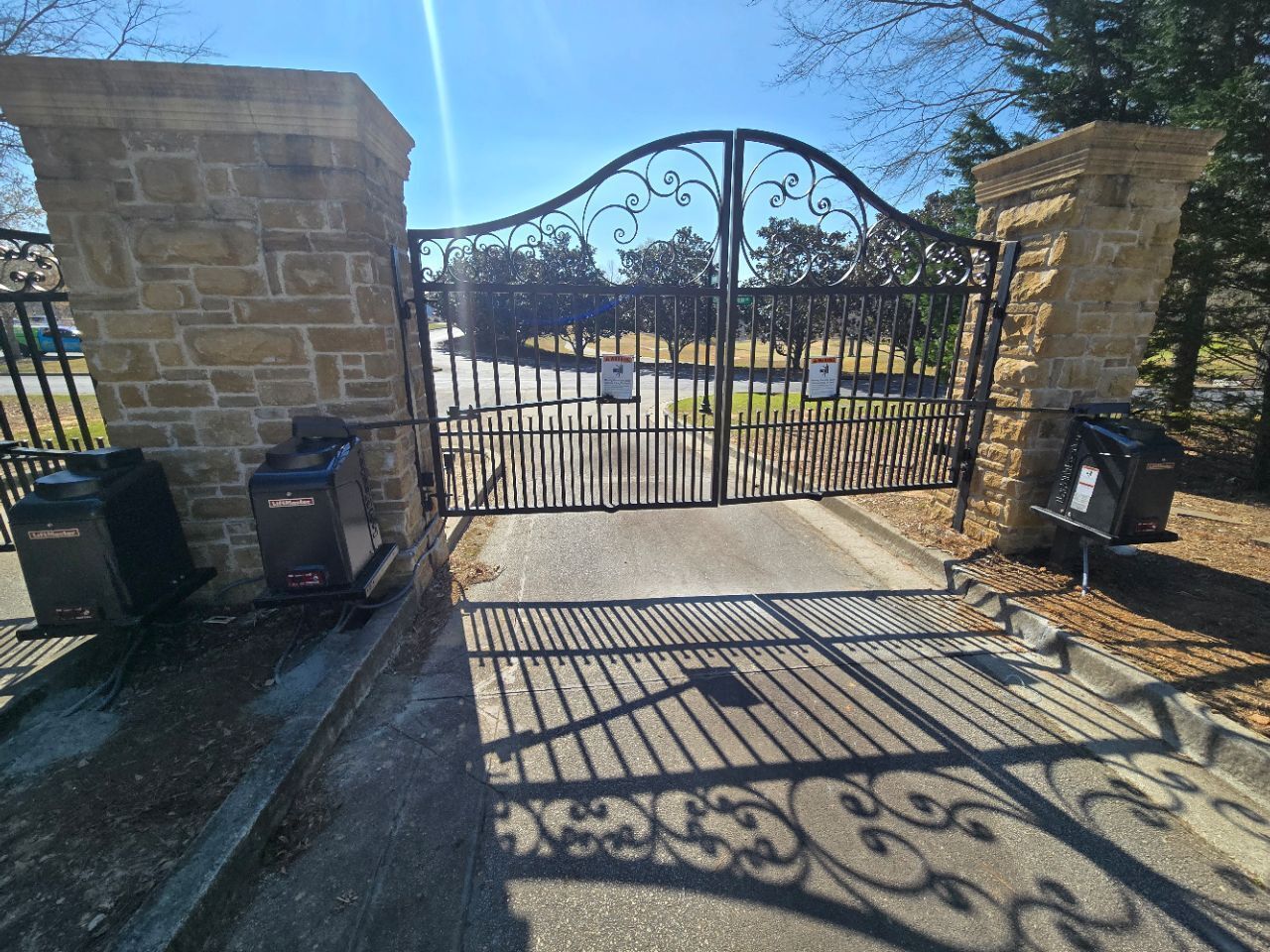
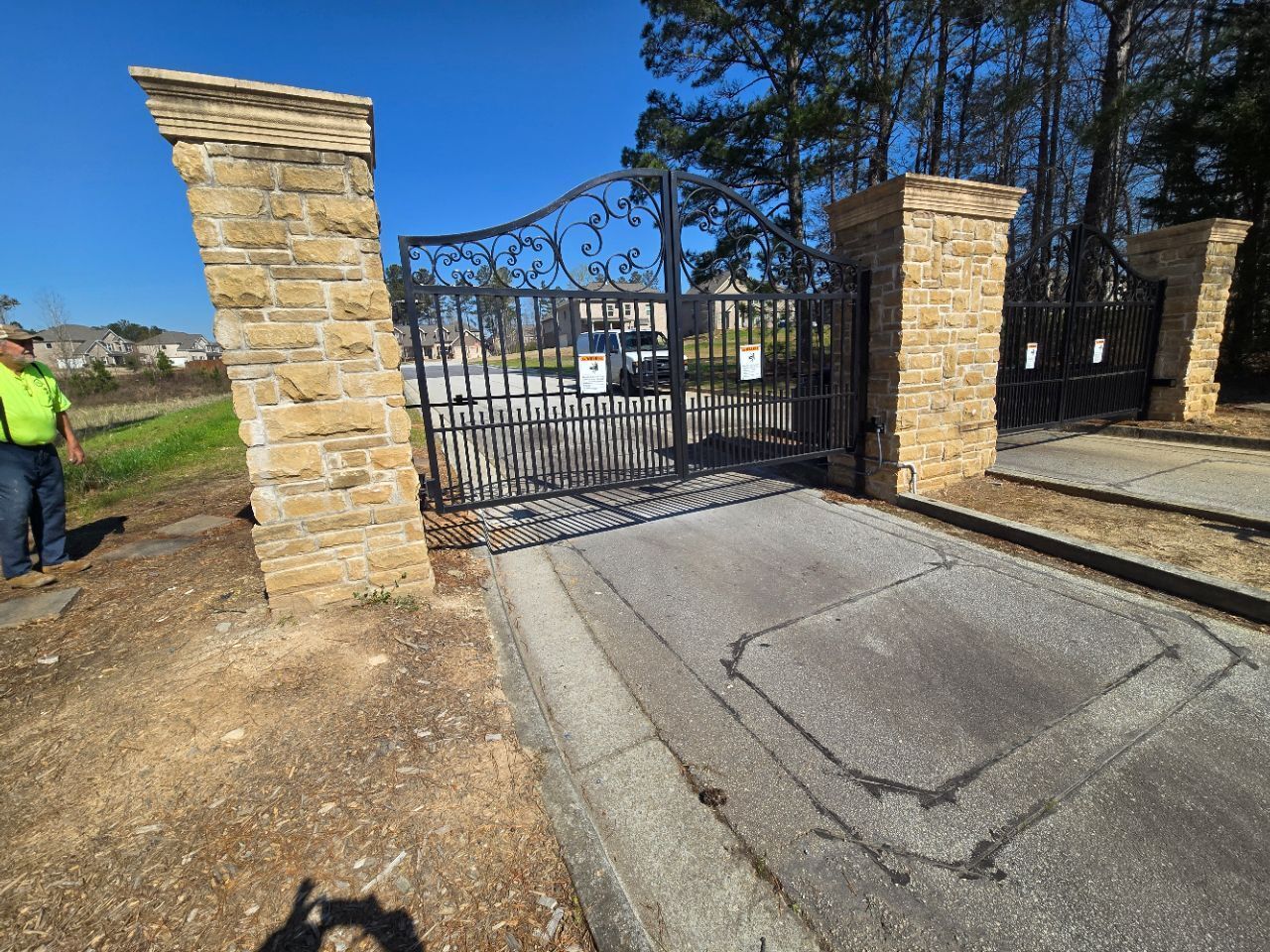
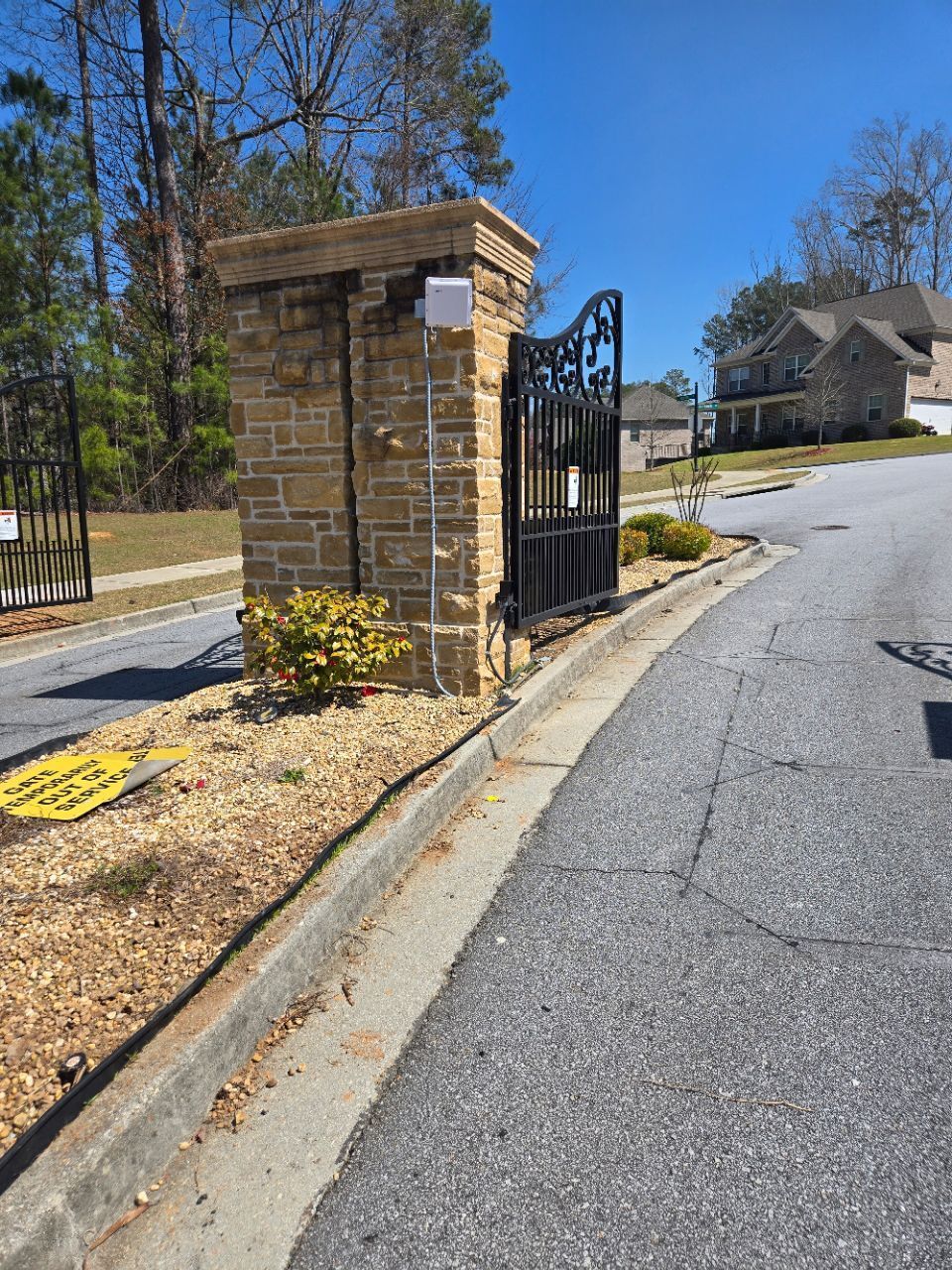
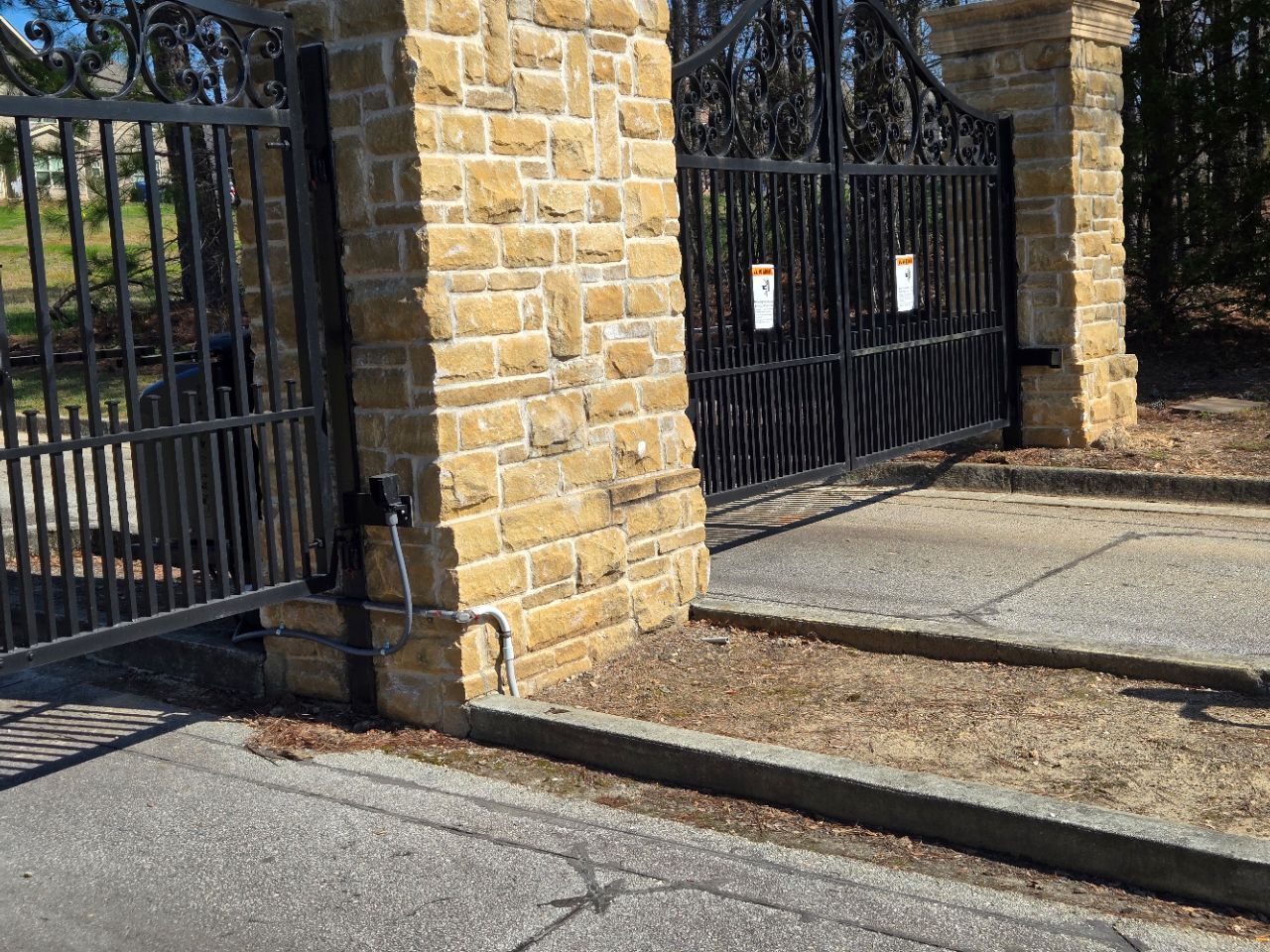
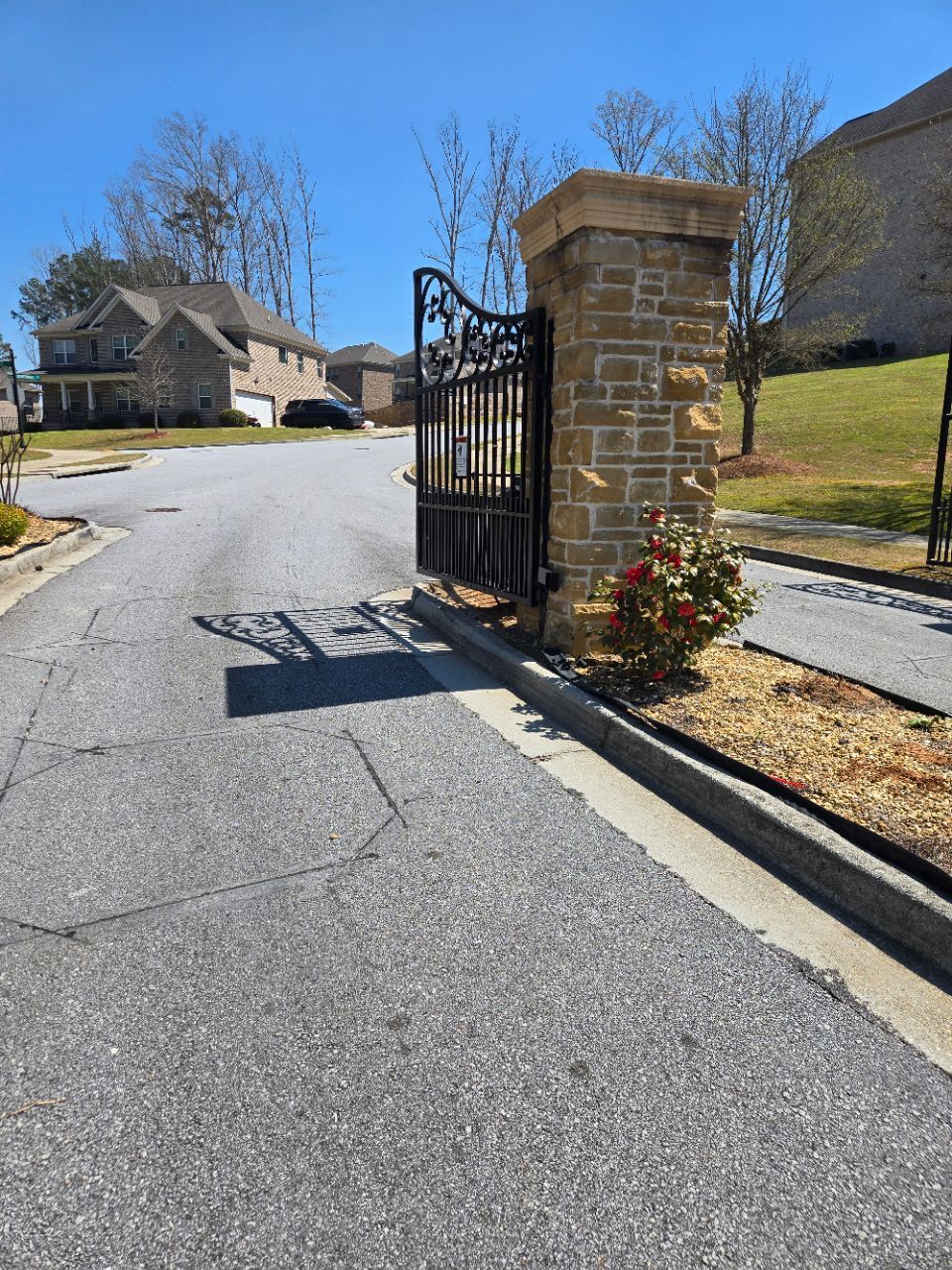
A big part of this project started with civil and structural improvements. Roughly 50% of the existing island was removed to open up traffic flow and allow for better positioning of the gate equipment. From there, new curbing and concrete were poured to match the existing look while reinforcing the structure. We also shaved down sections of curbing that were interfering with gate movement and fabricated custom brackets to allow the gates to open fully without restriction. These types of adjustments make a major difference in how smoothly a system operates day to day.
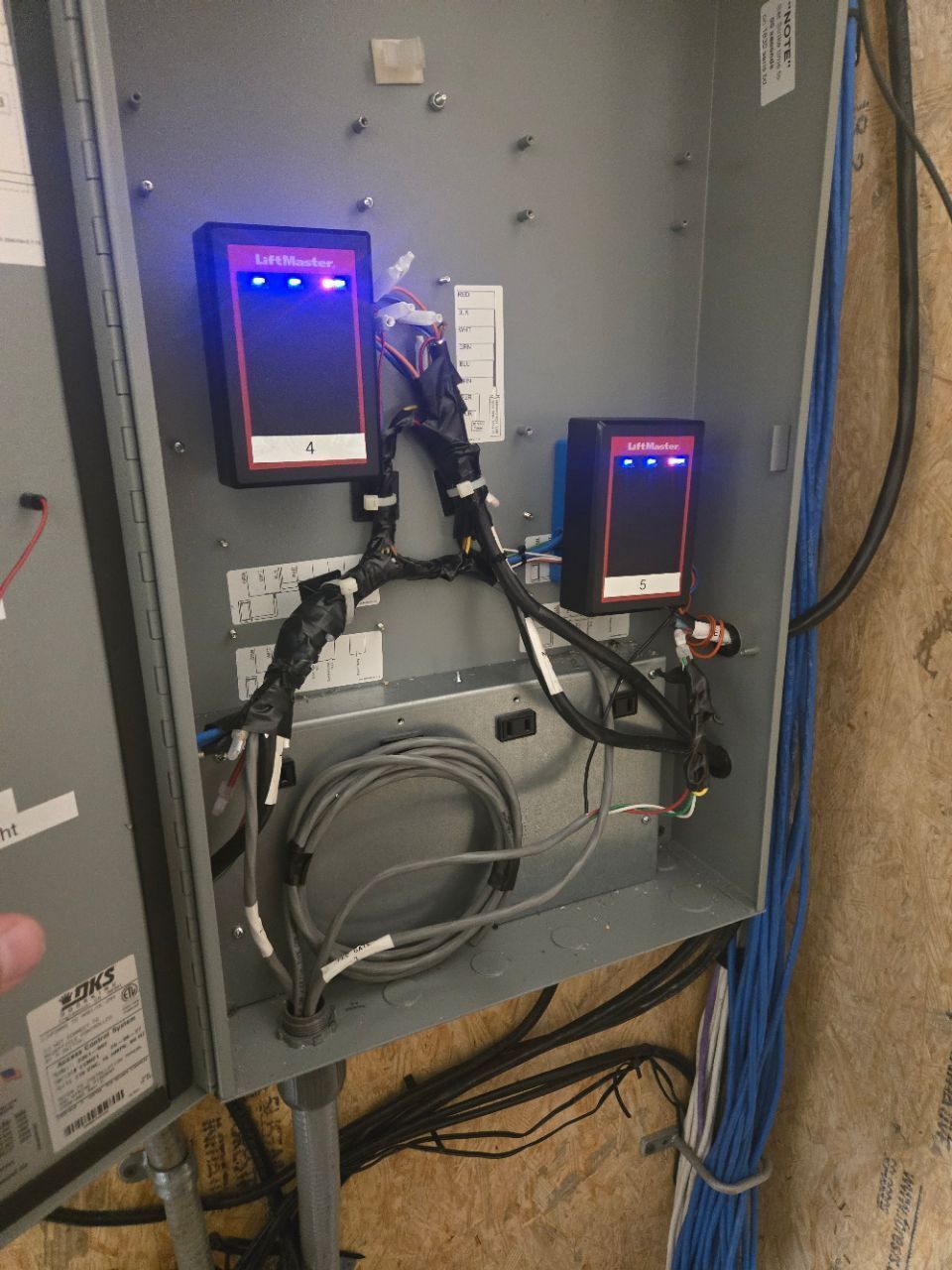
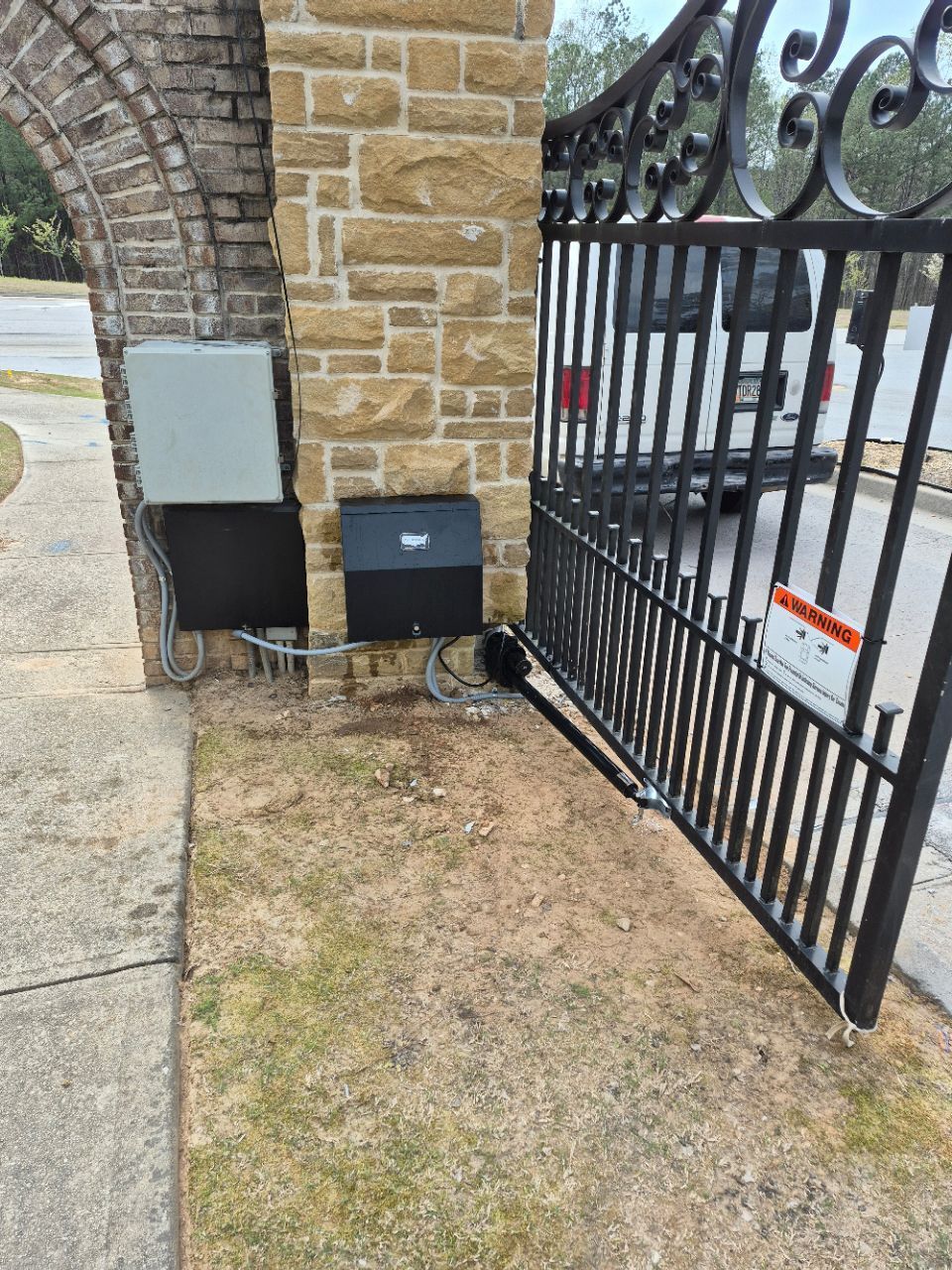
On the infrastructure side, we addressed several underlying electrical issues that were limiting performance. Damaged underground conduits were excavated and repaired or replaced, and previously cut wiring was identified and restored to bring full power back to both gate systems. To support the newer technology being installed, we added two NEMA-rated enclosures with active cooling to safely house network equipment. This ensures stable connectivity while protecting critical components from heat and weather.
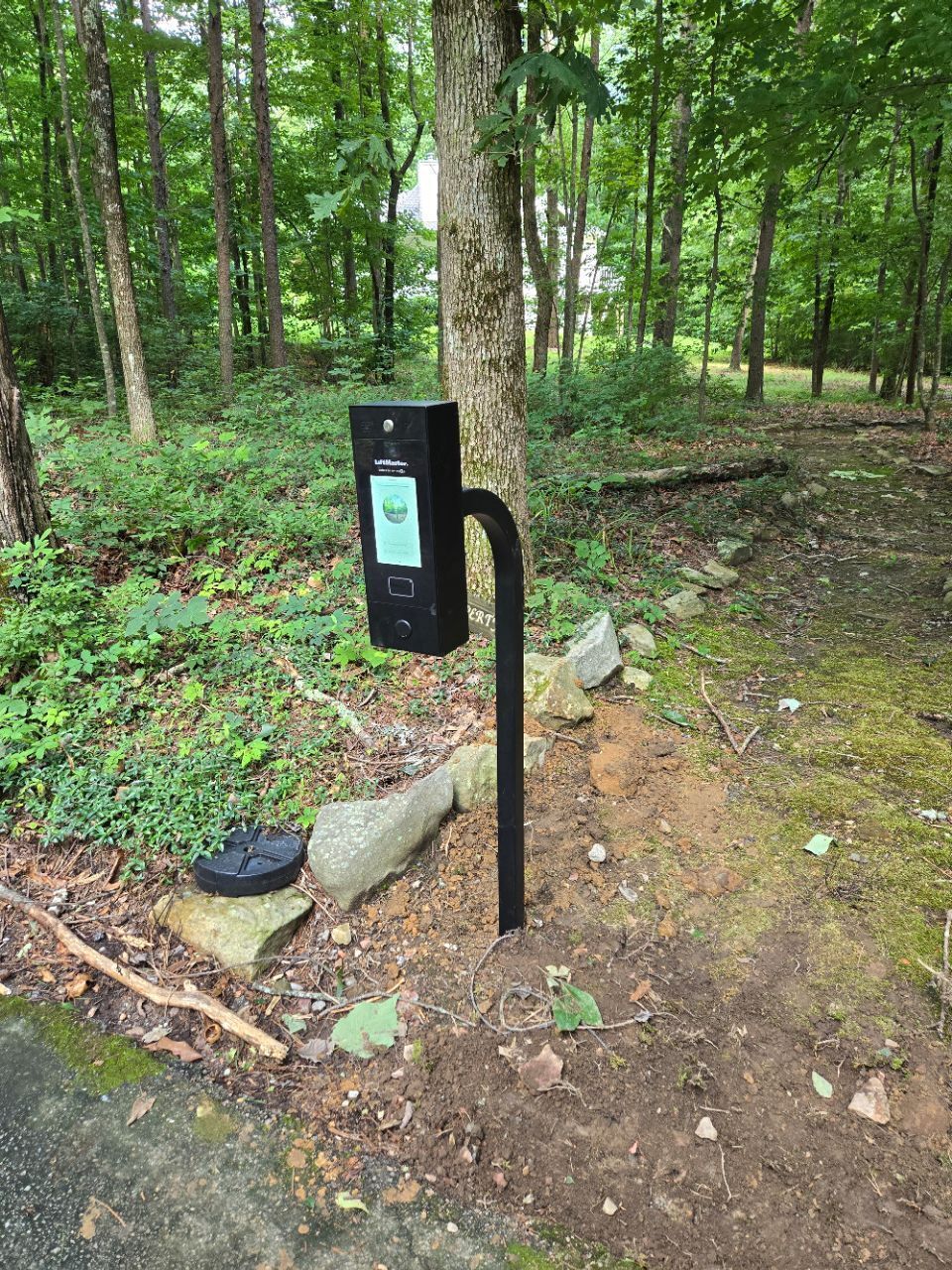
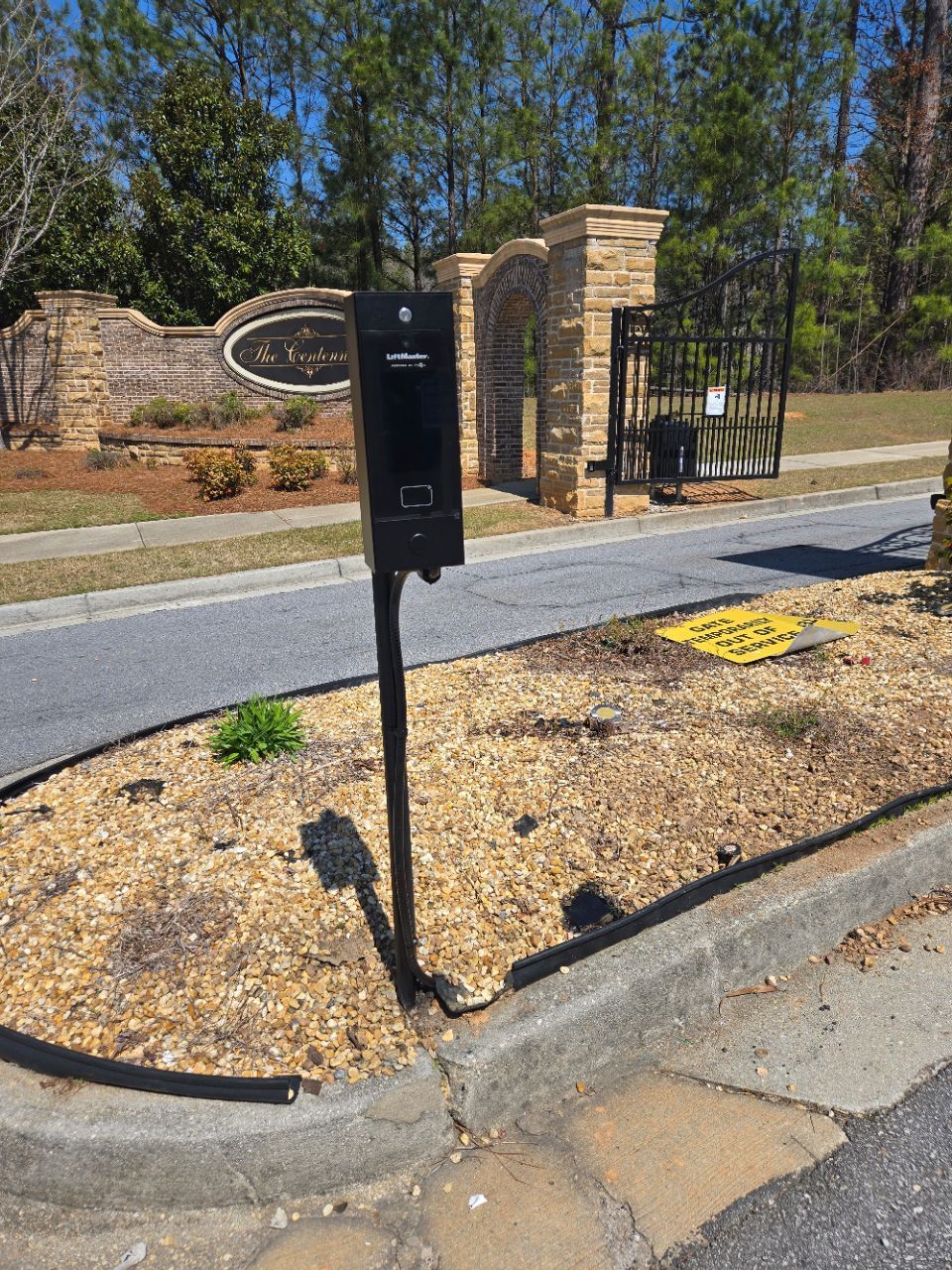
With the foundation corrected, we moved into installing a modern access control system. Three LiftMaster CAPXM smart video intercoms were added, giving the property a much more advanced way to manage access. These systems allow for video-based entry control and remote management, as long as a stable internet connection is available. It’s a major step up from older call box systems and fits well with how properties are managing access today.
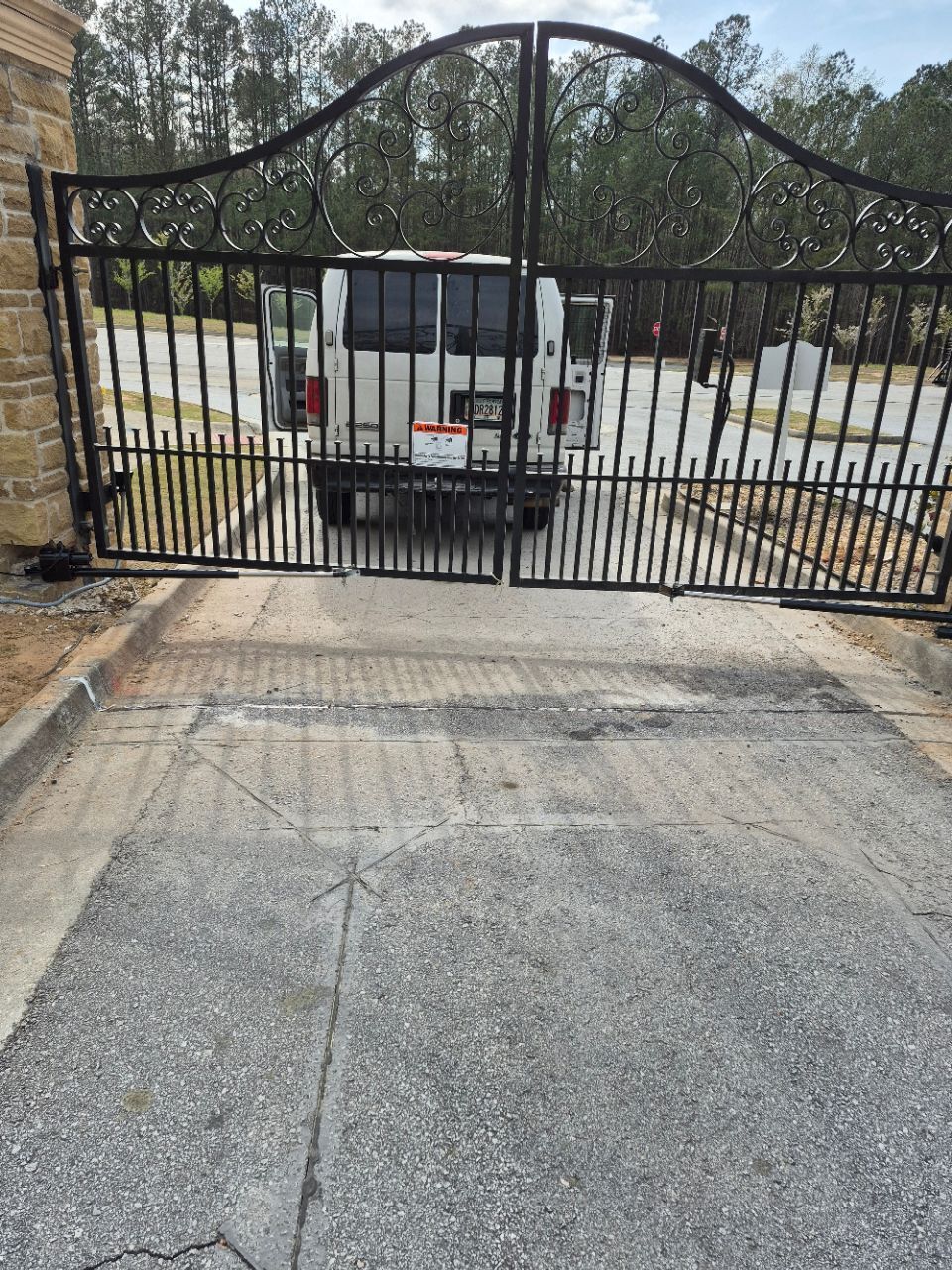
Both the front and back gate operators were also fully replaced with LiftMaster CSW24UL high-traffic commercial swing operators. These units are built for durability and consistent performance, especially in environments where the gates are being used throughout the day. Upgrading both systems at the same time helps ensure everything works together smoothly and reduces the chance of future breakdowns.
In addition to the overall upgrade, this project delivers:
- Improved traffic flow and gate clearance
- Reliable power and connectivity across both systems
- Modern video-enabled access control for better security and convenience
- Stronger, more durable gate operation with commercial-grade equipment
- A clean, scalable setup that’s easier to maintain long-term
This project is a great example of what a complete access control and gate system overhaul should look like. By addressing structural, electrical, and technology components all at once, the result is a system that not only works better today but is built to last well into the future.
RECENT PROJECTS