Gate Systems, Costs, and Compliance Guide for Atlanta Access Control Projects
1. Gate Mechanics: Slide vs. Swing
The "movement" of your gate determines its speed, longevity, and how much space you lose in your entryway.
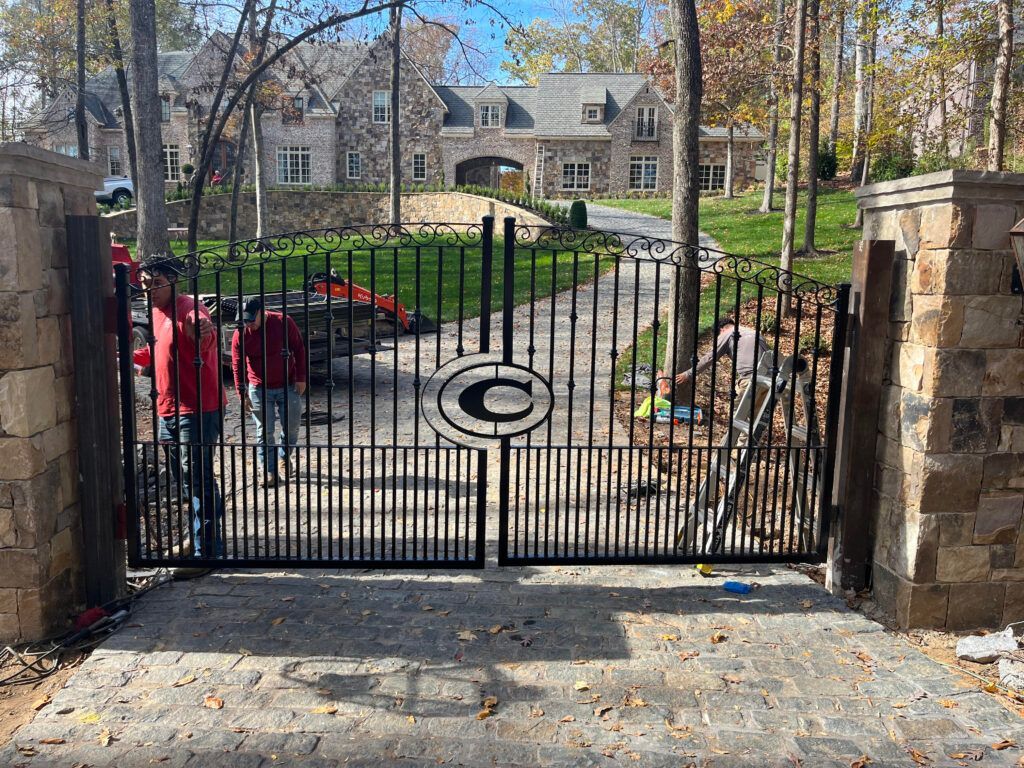
Swing Gates (The Classic Look)
Average Cost: $15,000 – $25,000 (per pair).
- Pros: Highly aesthetic, "stately" feel; generally simpler motors.
- Cons: Slower to open; requires a massive "arc" of clear space to swing into; high wind resistance (wind can strain or "sail" the motors).
- Space Needs: You need a clear radius equal to the width of the gate leaf (usually 10'–12') behind the gate.
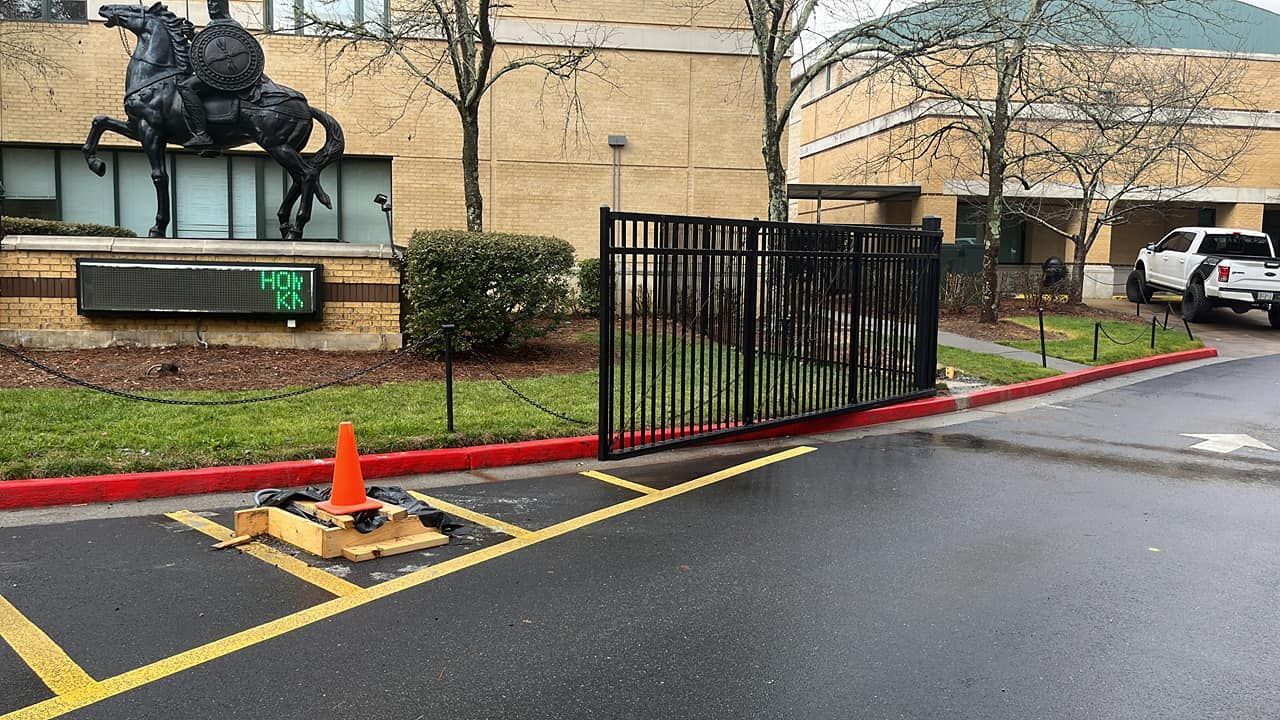
Slide Gates (The Workhorse)
Average Cost: $18,000 – $35,000 (per pair).
- Pros: Faster cycle time (better for high traffic); much better in windy areas; takes up zero "swing" space.
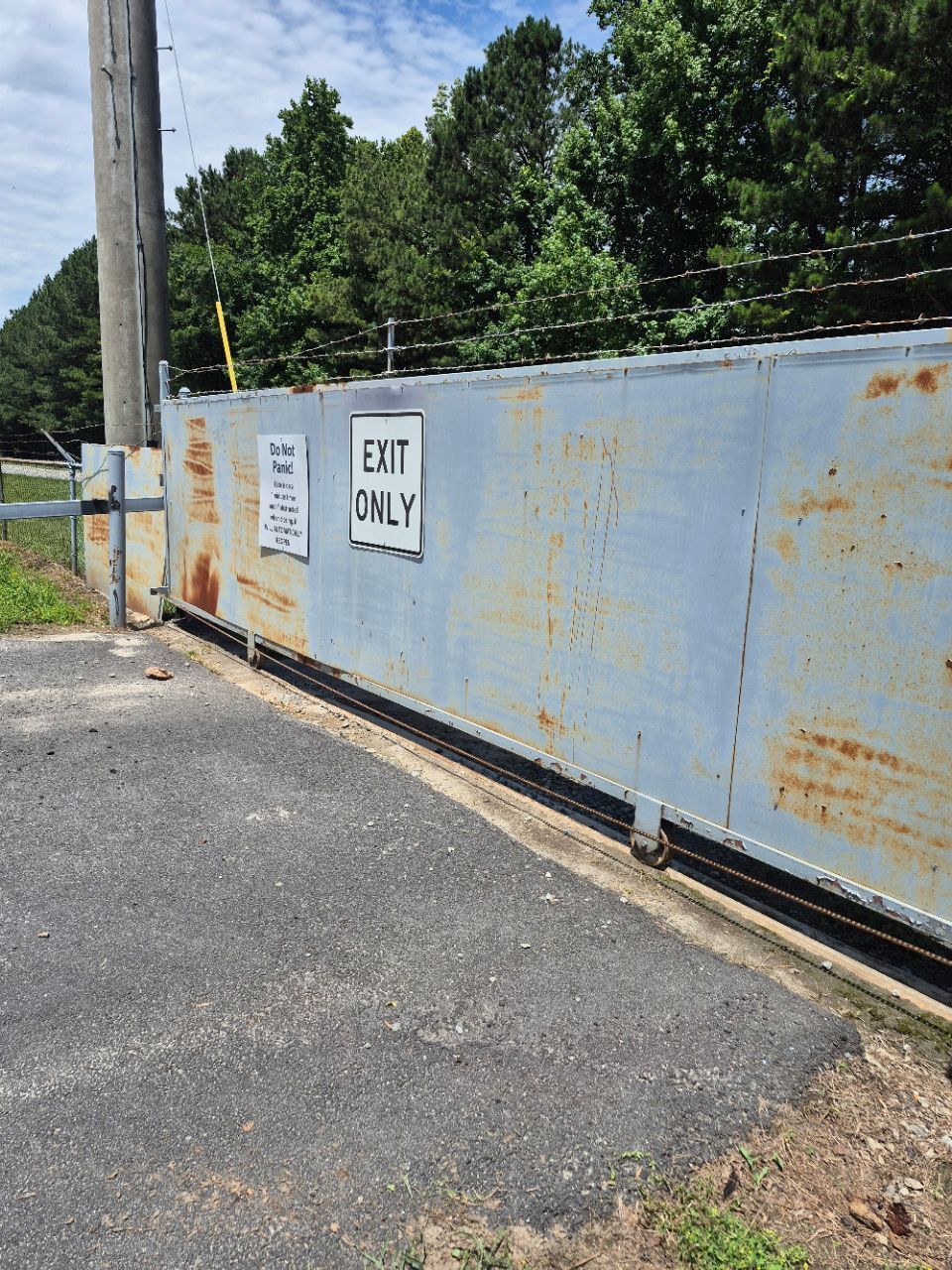
- Cons: Requires a long, straight fence line to slide back into; tracks can get clogged with debris, snow, or ice (unless using a "Cantilever" system, which is more expensive).
- Space Needs: You need a "storage" area along the fence line equal to the width of the gate plus about 30% for the counter-balance.
2. City Requirements & "Stacking" Space
The biggest mistake an HOA can make is installing a gate too close to the public road.
The Setback (Stacking) Rule
Most municipalities and Departments of Transportation (DOT) require a setback of 40' to 60' from the edge of the public road to the callbox.
- Why? To prevent "stacking" traffic. If two cars are waiting to be buzzed in, the second car’s rear bumper cannot be hanging into the public street.
- The Cost of Error: If the city deems your gate a traffic hazard, they can deny the permit or force a costly "tear-out and move" after installation.
Fire Marshal & Emergency Access
By law, your gate cannot trap or block emergency vehicles.
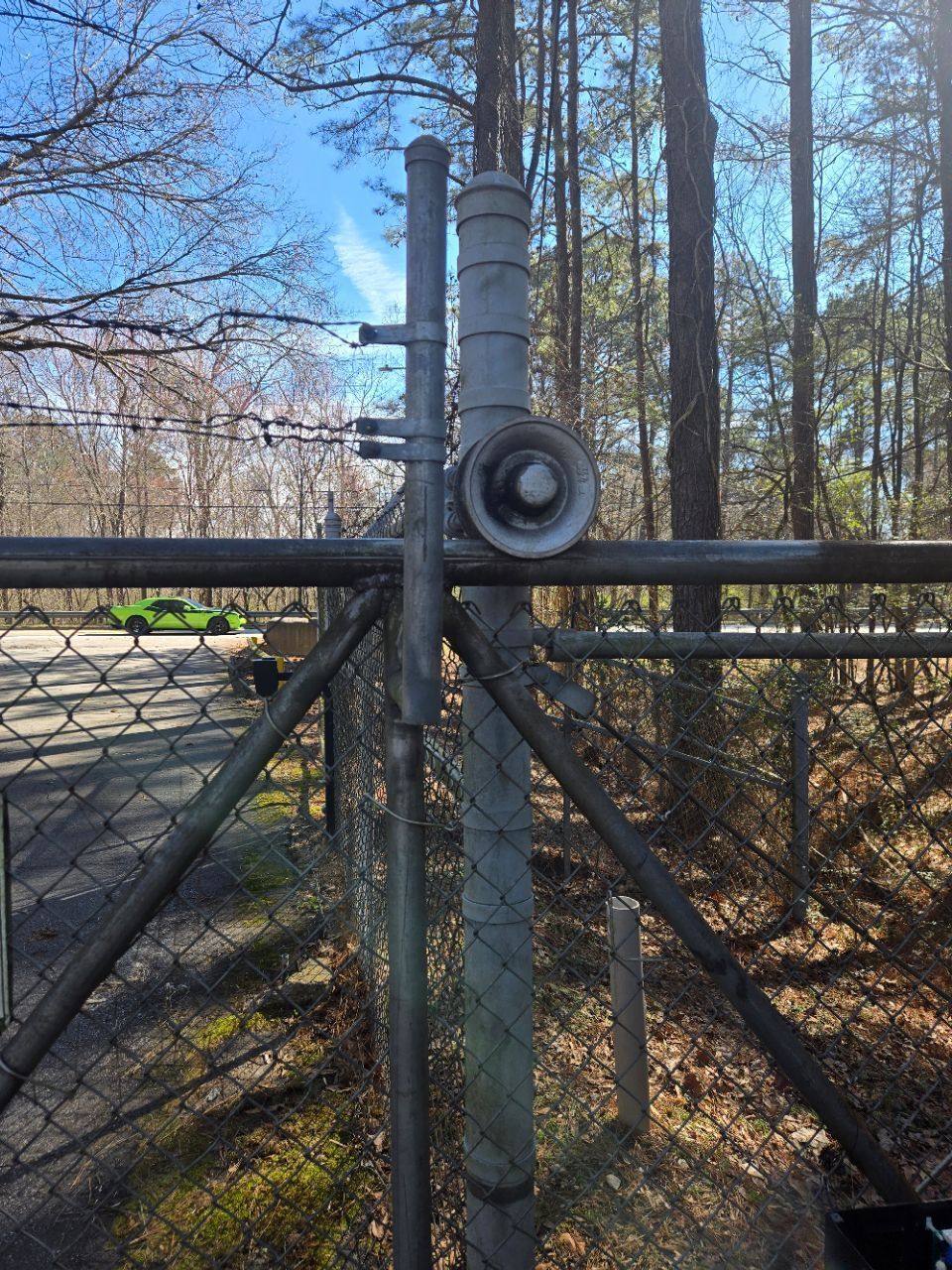
- Siren Sensors: ~$800 – $1,200. These automatically open the gate when they "hear" a high-decibel emergency siren (Yelp or Wail).
- Knox Box / Key Switch: ~$500 – $900. A standardized box that allows Fire/Police to use a master key to override the system.
- Strobe Sensors: Some cities require "Opticom" sensors that detect the flashing lights of an ambulance.
3. Infrastructure & Construction Costs (2026 Prices)
Electrical & Data
Trenching: Average $8.00 – $12.00 per foot. If you have to cut through existing asphalt or concrete, double this price.
Dedicated Power: Each gate motor needs a dedicated 20-amp circuit. If your nearest power source is 200 feet away, expect to pay $3,000+ just for the wire and conduit.
The Entry "Brain"
Video Callbox: ~$8,500. Allows residents to see guests on their smartphones.
Cellular Connection: ~$1,000 hardware + $60/month data. Usually cheaper than running a dedicated phone or internet line to the curb.
Aesthetics (Columns & Lighting)
Brick Columns (2'x2'x7'): $2,500 each. This includes the deep concrete footing required to support the weight of the column and the "drag" of a heavy swing gate.
Column Lights: $600 – $800 per pair. Includes fixtures and low-voltage wiring.
4. Total Budget Estimates (2-Lane System)
System Tier — Included Features — Estimated Total
- Basic — Dual Swing Gates, Keypad, No Masonry, No Barrier Arms. — $25,000 – $35,000
- Mid-Range — Slide Gates, Video Callbox, 2 Brick Columns, RFID Tags. — $45,000 – $60,000
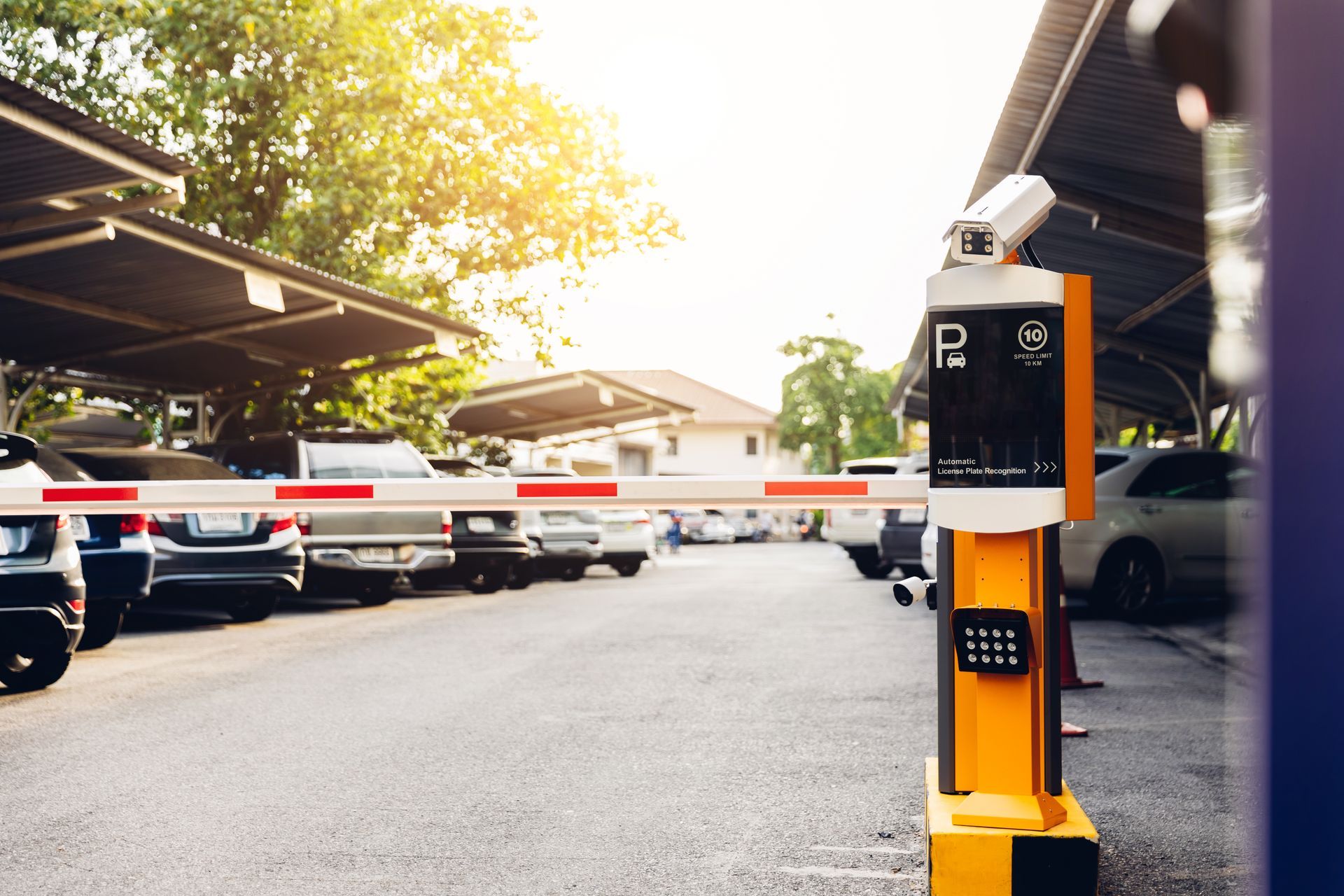
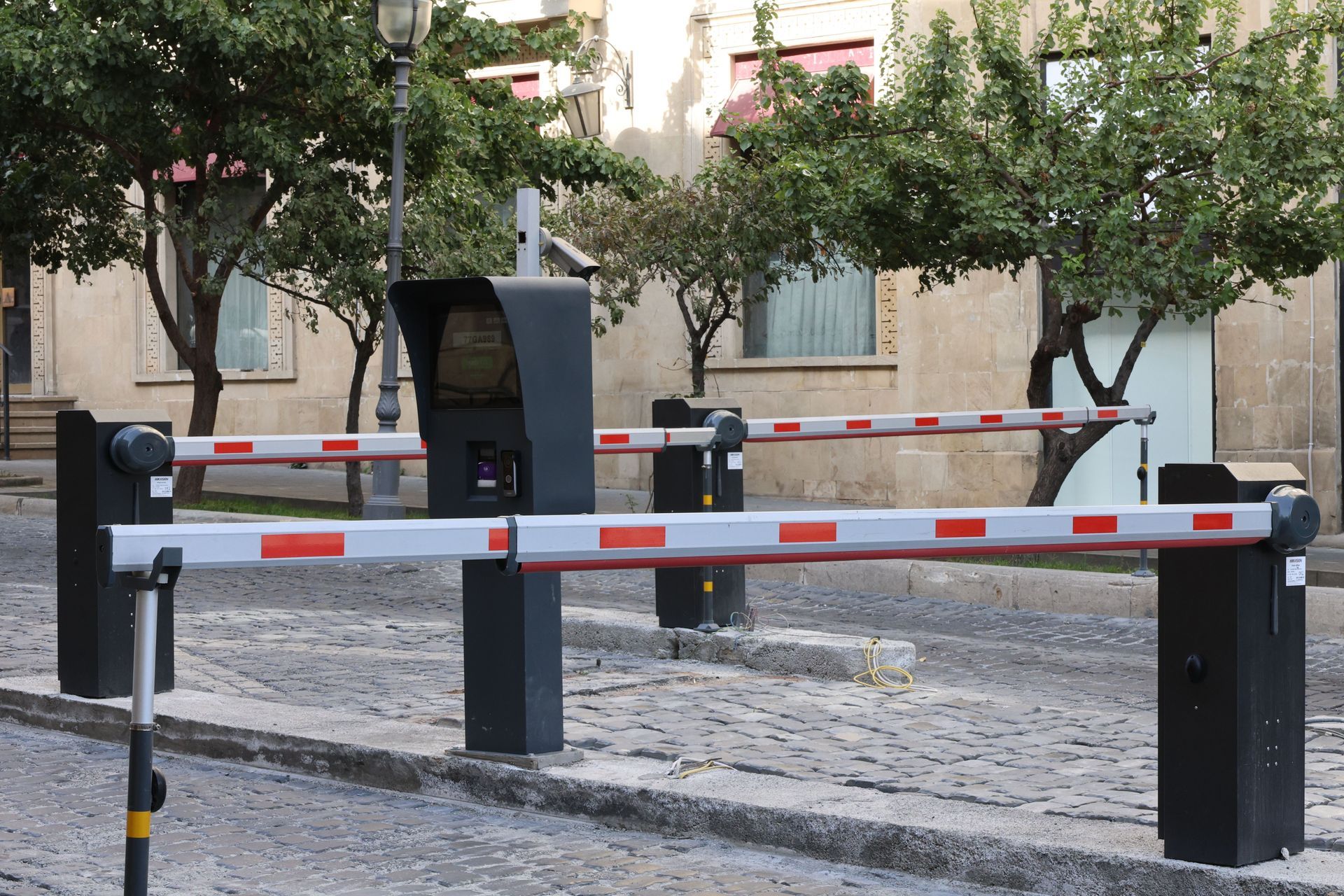
- Premium — Slide Gates, Barrier Arms (Anti-Tailgate), 4 Columns, Fencing.
This section covers the legal and safety backbone of any automated gate project. In the industry, UL 325 isn't just a suggestion—it is the safety standard that dictates how a gate must behave to prevent injury or death.
Failure to adhere to these guidelines can lead to the HOA being held liable for accidents, and most professional installers will refuse to sign off on a system that isn't compliant.
Understanding UL 325 Compliance (2026 Standards)
UL 325 is the safety standard for gate operators. Its primary goal is entrapment protection—ensuring that if a person (especially a child) is in the path of a moving gate, the system detects them and reacts instantly.
1. The "Two-Device" Requirement
For every "entrapment zone" (anywhere a person could be caught or crushed), the system must have at least two independent safety devices.
Inherent Sensor (Primary): Built into the motor; it detects a "spike" in resistance if the gate hits something and reverses the motor.
External Sensor (Secondary): Must be added by the installer. These include:
Photo Eyes (Non-Contact): Infrared beams that stop the gate if the beam is broken.
Sensing Edges (Contact): Pressure-sensitive "bumpers" on the edge of the gate that trigger an immediate stop upon contact.
2. Monitoring Is Mandatory
Modern gate operators must monitor their safety devices. If a photo eye is blocked, damaged, or disconnected, the gate operator will "fail-safe" and refuse to move. You cannot simply bypass these sensors to keep a broken gate running; the system’s computer will lock it out.
3. Audio Alarms
If the gate hits an obstruction twice in a row (two sequential activations), UL 325 requires a physical audio alarm to sound. The gate will then shut down completely and must be manually reset by someone who has a clear line of sight to the gate to ensure the area is safe.
Specific Rules: Slide vs. Swing
For Slide Gates (High Risk)
- Screening/Mesh: You cannot have gaps in a slide gate larger than 2.25 inches. This prevents children from reaching through the moving gate and getting their arms caught in the support rollers.
- Speed Limit: Class I (Residential) and Class II (Commercial/HOA) slide gates are capped at a speed of 1 foot per second.
- Roller Guards: All weight-bearing rollers must be covered to prevent fingers from being pulled into the pinch points.
For Swing Gates
- Clearances: If the gate swings within 16 inches of a fixed object (like a wall or a brick column), that area is an entrapment zone and must be protected by a photo eye or a sensing edge.
- Pedestrian Separation: By law, you cannot use a vehicular gate for pedestrian traffic. You must provide a separate, clearly marked pedestrian gate so people aren't tempted to walk through the "swing zone."
Summary of Safety Device Costs
Device — Purpose — Estimated Cost
- Monitored Photo Eyes — Detects people/cars in the path via IR beam. — $400 – $700 per pair
- Sensing Edges — "Soft" edge that reverses gate on contact. — $350 – $600 per edge
- Siren/Strobe Kit — Required for emergency vehicle entry. — $800 – $1,200
- Safety Loops — Underground wires that detect vehicle metal. — $600 – $1,000 per loop
The Liability Warning: If your HOA board approves a gate that bypasses UL 325 (e.g., using "old-school" non-monitored sensors to save $1,000), your insurance provider may deny coverage in the event of an accident. Always insist on a UL 325 Certificate of Compliance from your contractor upon completion.
Choosing the Right Installer for Your Gate Project
Choosing an installer is the most critical "hidden" variable in your gate project. Because a 2-lane gate system is a mix of heavy-duty construction, high-voltage electrical, and sensitive software, you cannot hire a standard "fence guy." You need a specialized Automated Gate Integrator such as Power Access Control in Atlanta, GA serving the southeastern US.
1. Verifying Insurance: Beyond the Piece of Paper
- Don't just ask if they have insurance; ask for a Certificate of Insurance (COI) that names your HOA as an "Additionally Insured" party for the duration of the project.
- General Liability: In 2026, the industry standard for HOA work is a minimum of $1,000,000 per occurrence.
- Workers’ Compensation: This is non-negotiable. If an installer is injured on HOA property and the company doesn't have Workers' Comp, the HOA’s own insurance could be liable.
Professional Tip: Call the insurance agency listed on the COI to verify the policy is active.
2. Years in Business & Specialization
- The "tail" of a gate project is long. You need a company that will be around long-term.
- The "Garage Door" Trap: Many garage door companies "also do gates." Ensure at least 75% of their work is automated gate systems.
- Ask: "How many technicians are CAGOI certified?"
3. High-Value Referrals
Ask for at least three HOA references with systems installed over two years ago.
The "Service Call" Test: Ask how quickly they respond to breakdowns.
4. Current Client Site Visit
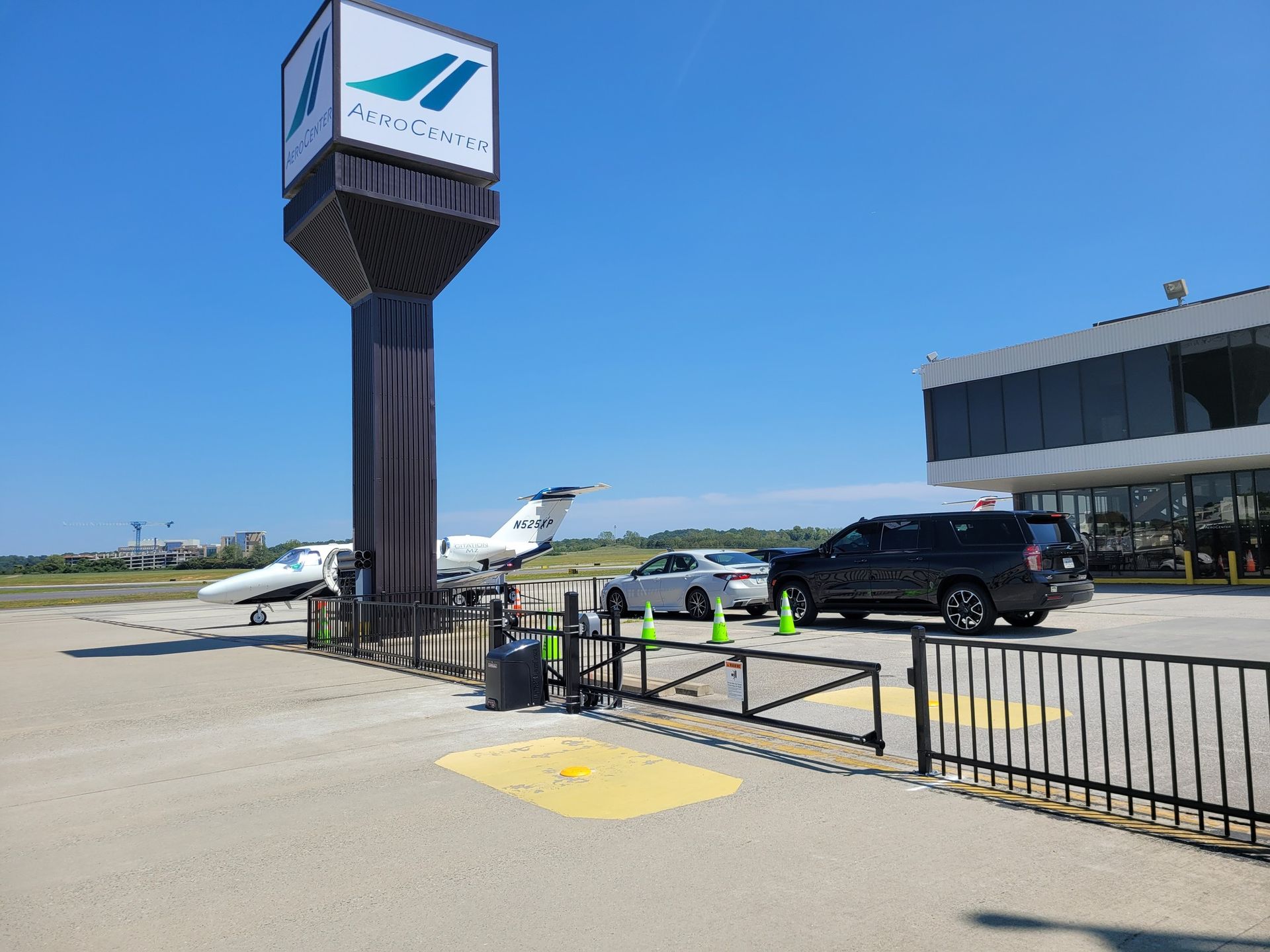
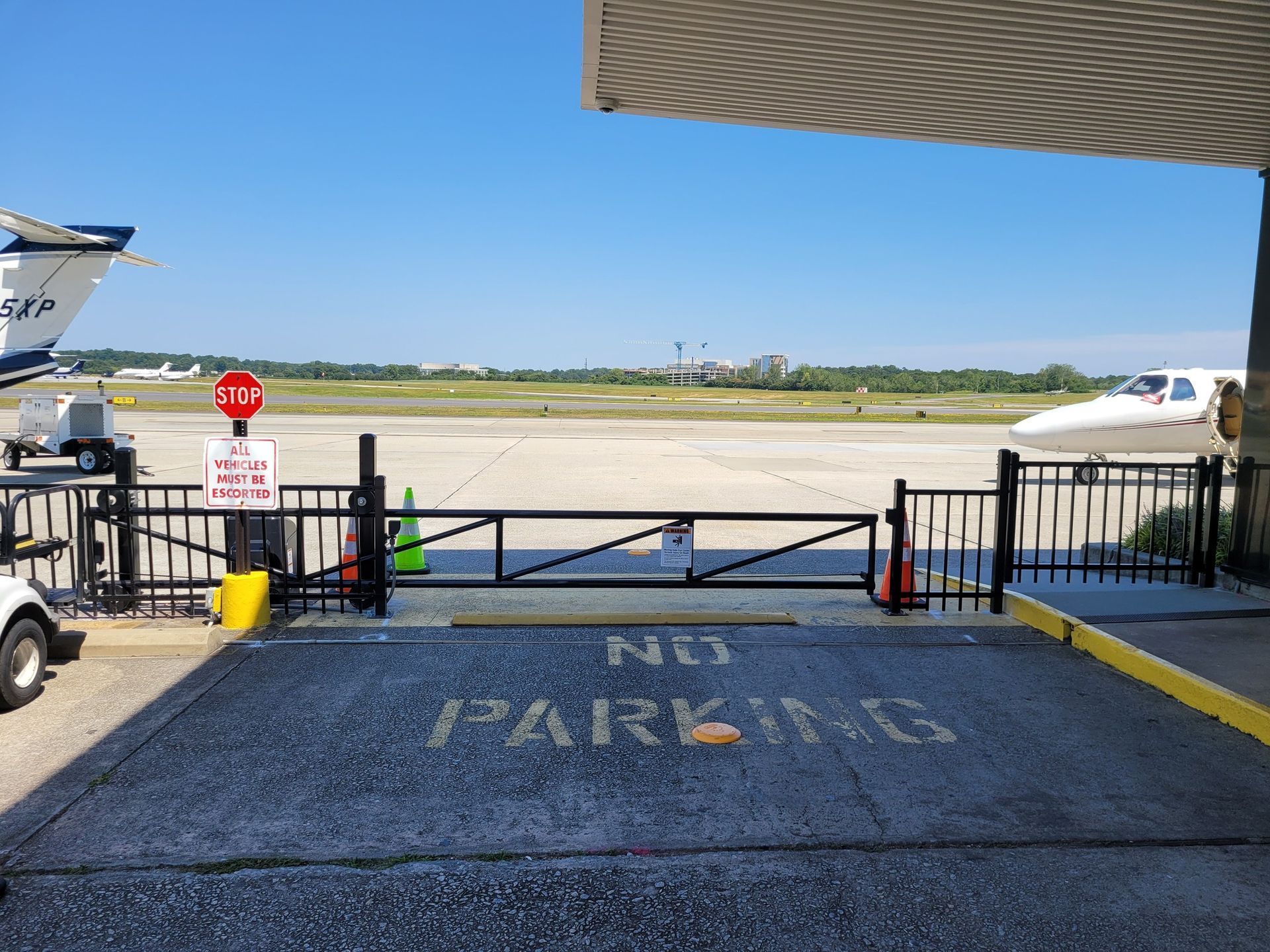
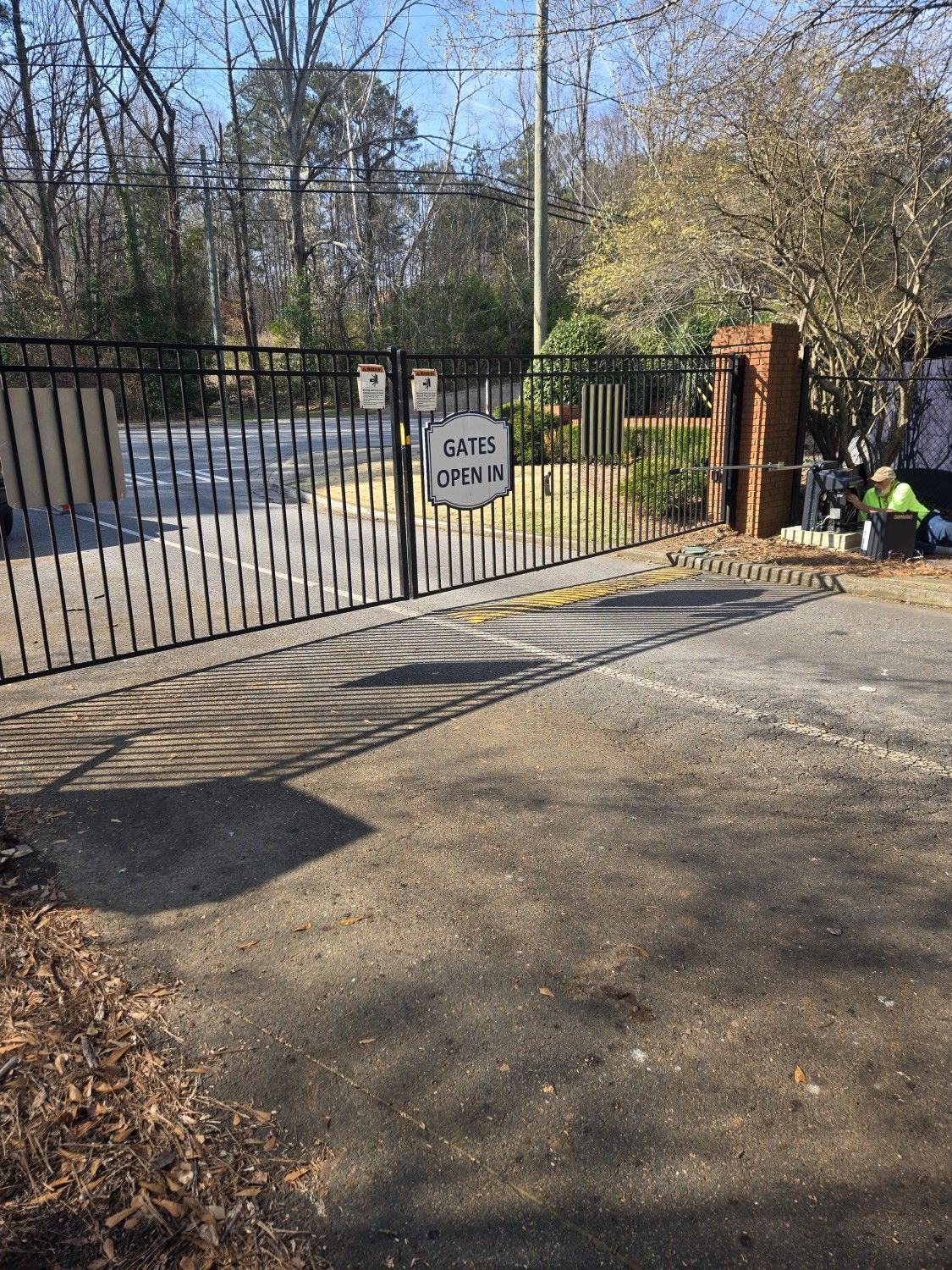
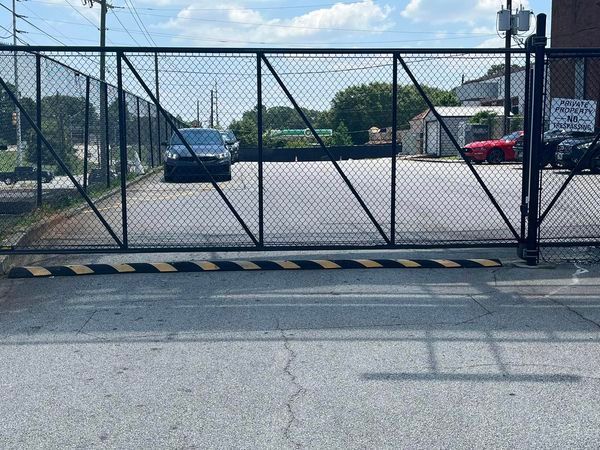
Check for clean wiring, safety signage, and smooth gate movement.
The "Red Flag" Checklist for HOA Boards
- Deposit over 50% — Can signal financial instability
- No License Number on Bid — Required for this level of work
- "We'll handle permits later" — Permits must be secured first
- Vague Warranty — Must specify labor vs. parts coverage
If you are looking for a Gate installer who knows what they are doing in the Atlanta, GA market and across the southeast give our team at Power Access Control a call and we can help guide you in the right direction for your HOA, Business, or private residences gate needs!
RECENT PROJECTS