Long-Range Vehicle Access Control in Atlanta: RFID, LPR, and QR Entry Explained
Your Gate Should Know Who’s Arriving Before They Reach It
Vehicle access control has come a long way from simple keypads and clickers. For commercial properties, gated communities, apartment complexes, warehouses, and industrial facilities in Atlanta, GA, modern access systems can identify an approved vehicle before the driver ever reaches the gate. That can mean faster entry, better traffic flow, and more control over who is allowed onto the property.
Traditional gate entry methods still have a place, but they can create problems at busy entrances. Drivers may need to stop, roll down a window, enter a code, swipe a card, or wait for someone to answer an intercom. When dozens or hundreds of vehicles pass through the same entrance every day, even a short delay can cause backups.
Long-range vehicle access control is designed to make that process more efficient. Depending on the system, a vehicle may be recognized by an RFID credential, its license plate, or a temporary QR code. Once the system confirms that the vehicle is authorized, it can signal the gate operator to open automatically.
Why Busy Properties Need a Better Way to Manage Vehicle Entry
The right vehicle access system is not just about convenience. It can also help property managers keep better records, reduce credential sharing, control temporary access, and create a more organized entrance experience.
Some of the most common issues at gated properties involve outdated or inefficient entry methods. A keypad code may be easy to share with someone who should not have it. A remote can be lost, copied, or passed between drivers. A visitor may arrive when no one is available to approve entry. A delivery truck may block the lane while waiting for instructions.
- Traffic backups: Requiring every vehicle to stop and manually enter a credential can slow down a high-volume entrance.
- Shared access codes: Permanent gate codes can spread beyond the people who were originally authorized to use them.
- Lost credentials: Access cards, remotes, and tags can be misplaced and may need to be deactivated.
- Visitor management: Guests, contractors, and delivery drivers often need temporary access rather than permanent credentials.
- Unauthorized vehicles: Better identification can help prevent people from entering simply because they know a code.
- Limited entry records: Modern access systems can provide better information about which credential or vehicle entered and when.
For a gated community, the priority may be making resident entry faster while keeping visitor access controlled. At a warehouse or logistics yard, the focus may be identifying employees, contractors, or fleet vehicles quickly without slowing down operations. At a commercial office property, vehicle access may need to coordinate with employee credentials, visitor permissions, and building security systems.
This is why vehicle access control in Atlanta, GA should be designed around the actual traffic patterns of the property. The best system for a 50-home community may look very different from the system needed for a busy industrial facility with multiple entrances and frequent commercial vehicles.
Power Access Control works with vehicle gate systems and access-control technologies that can be integrated into a larger security plan. By looking at how vehicles arrive, who needs regular access, how visitors are handled, and how much traffic moves through the entrance, the system can be designed around the way the property actually operates.

Three Ways to Identify a Vehicle Without a Traditional Keypad
Long-range vehicle access systems can use several different technologies, and each one has advantages depending on the property. RFID, license plate recognition, and QR entry are three common options for modern gate access control.
Long-range RFID uses a credential associated with an approved user or vehicle. A reader detects that credential as the vehicle approaches the entrance. Because the driver does not necessarily need to stop and present a card at close range, RFID can be useful for properties with frequent repeat users such as residents, employees, or authorized fleet vehicles.
License plate recognition, often shortened to LPR, takes a different approach. Instead of identifying a separate credential, the system recognizes the vehicle's license plate. If the plate is listed as authorized, the access-control system can trigger the gate. This can reduce the number of physical credentials that need to be distributed and managed.
QR-code access is often especially useful for temporary entry. A visitor, vendor, contractor, or delivery driver can receive a digital credential that can be limited to a specific date or time window. That can be much easier to manage than giving temporary users a permanent gate code.
- Long-range RFID: Works well for recurring users such as residents, employees, or authorized fleet vehicles.
- License plate recognition: Identifies an approved vehicle by its plate and can reduce reliance on separate cards or remotes.
- QR-code access: Can provide temporary entry for visitors, vendors, contractors, or scheduled deliveries.
- Mixed credential systems: Some properties may benefit from using more than one method for different types of users.
Which Vehicle Access System Fits Your Property?
There is no single access technology that works best for every property. The right solution depends on traffic volume, security needs, user types, visitor frequency, and how the entrance is managed.
A gated residential community may use RFID or LPR for residents because those users enter and exit frequently. Visitors could receive temporary QR credentials or use an intercom system. This combination can keep everyday resident traffic moving while still giving the property more control over temporary access.
Apartment and multifamily communities can have similar needs, but they may also need to manage resident turnover. A system that allows credentials to be added or removed electronically can make it easier to keep the access list current when tenants move in or out.
Warehouses and logistics yards may prioritize speed, recordkeeping, and the ability to identify authorized commercial vehicles. LPR or RFID can help reduce delays at entrances that handle frequent employee, vendor, or fleet traffic.
Office complexes and commercial facilities may need vehicle access to coordinate with pedestrian access, employee badges, cameras, or other building security systems. In these environments, a unified approach can make it easier to manage access across the entire property rather than treating the parking entrance as a separate system.
One Property May Need More Than One Type of Credential
Some of the most effective systems combine different access methods. Employees or residents may use RFID or LPR every day, while visitors receive temporary QR credentials. A security team may retain intercom capability for unexpected guests, and administrators may be able to manage permissions through a cloud-based access platform.
This layered approach can help keep regular traffic moving without sacrificing flexibility. It also allows property managers to give different groups the level of access they actually need rather than issuing one universal credential to everyone.
For properties searching for RFID gate access in Atlanta, LPR access control, or commercial vehicle access systems in Metro Atlanta, the most important step is matching the technology to the way the entrance is used every day.

Vehicle Access Technology Is Only One Part of the Gate System
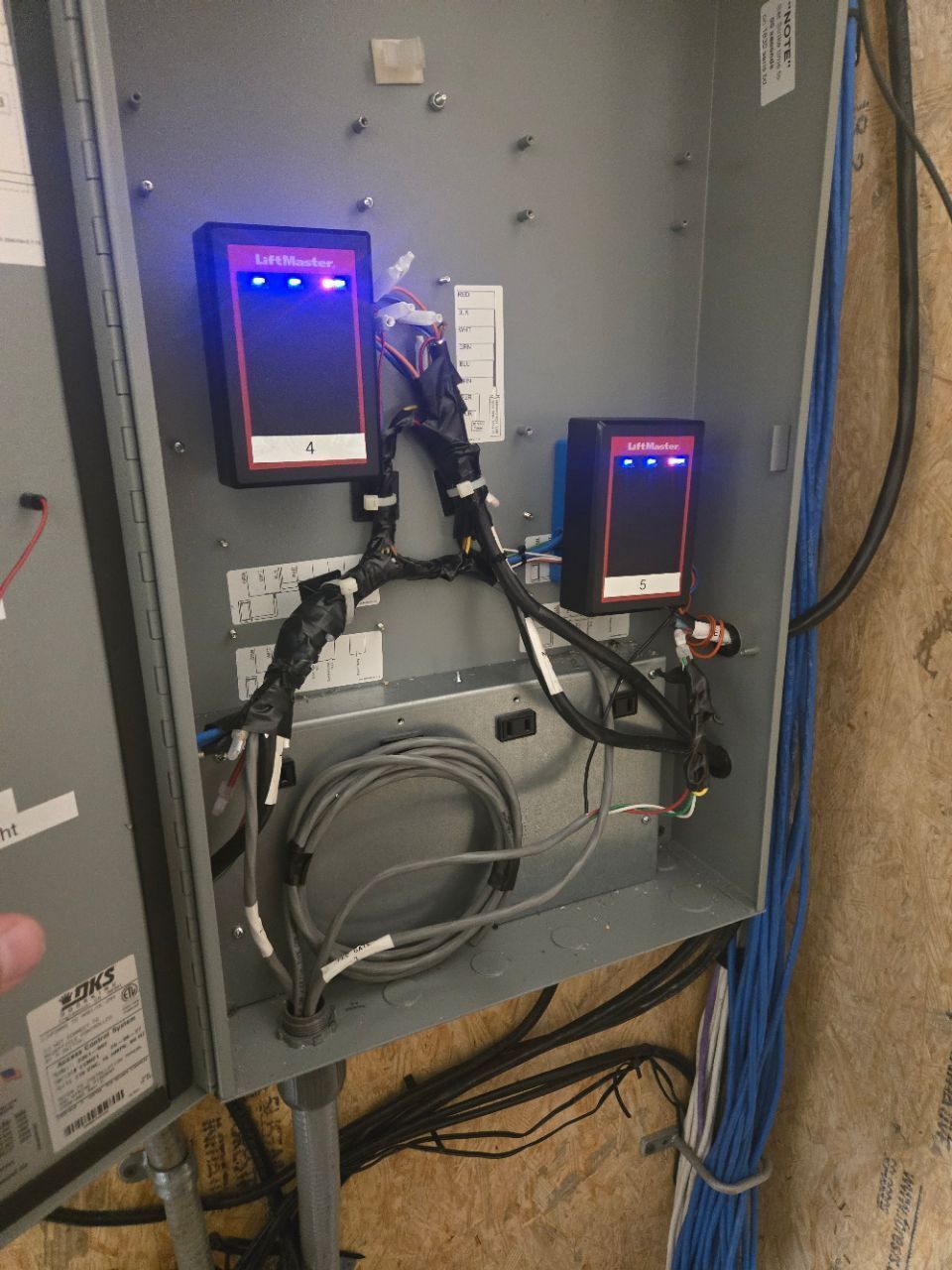
A vehicle identification system cannot work effectively by itself. RFID, LPR, and QR credentials still need to communicate with the physical gate, gate operator, safety equipment, and other security components at the entrance.
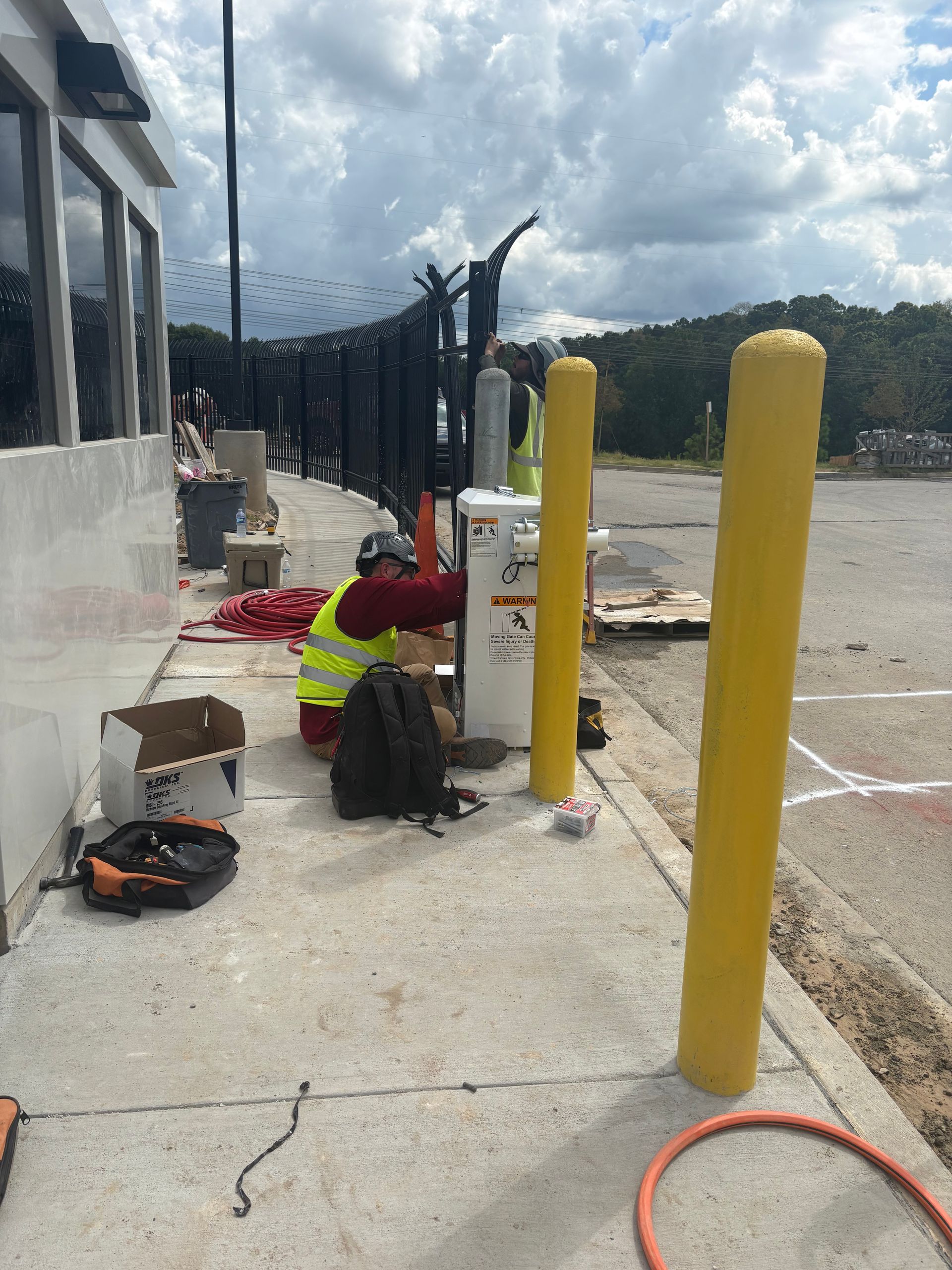
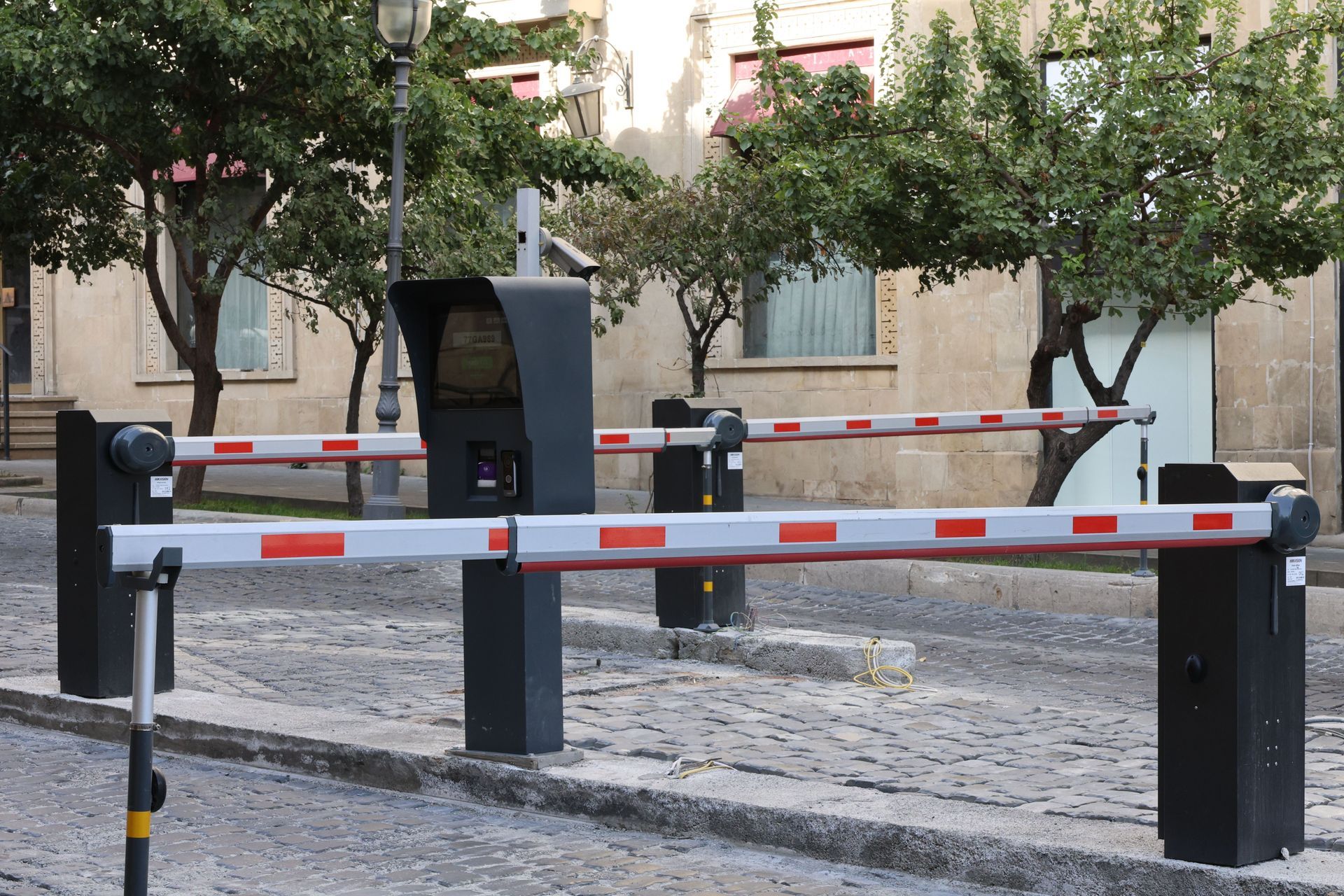
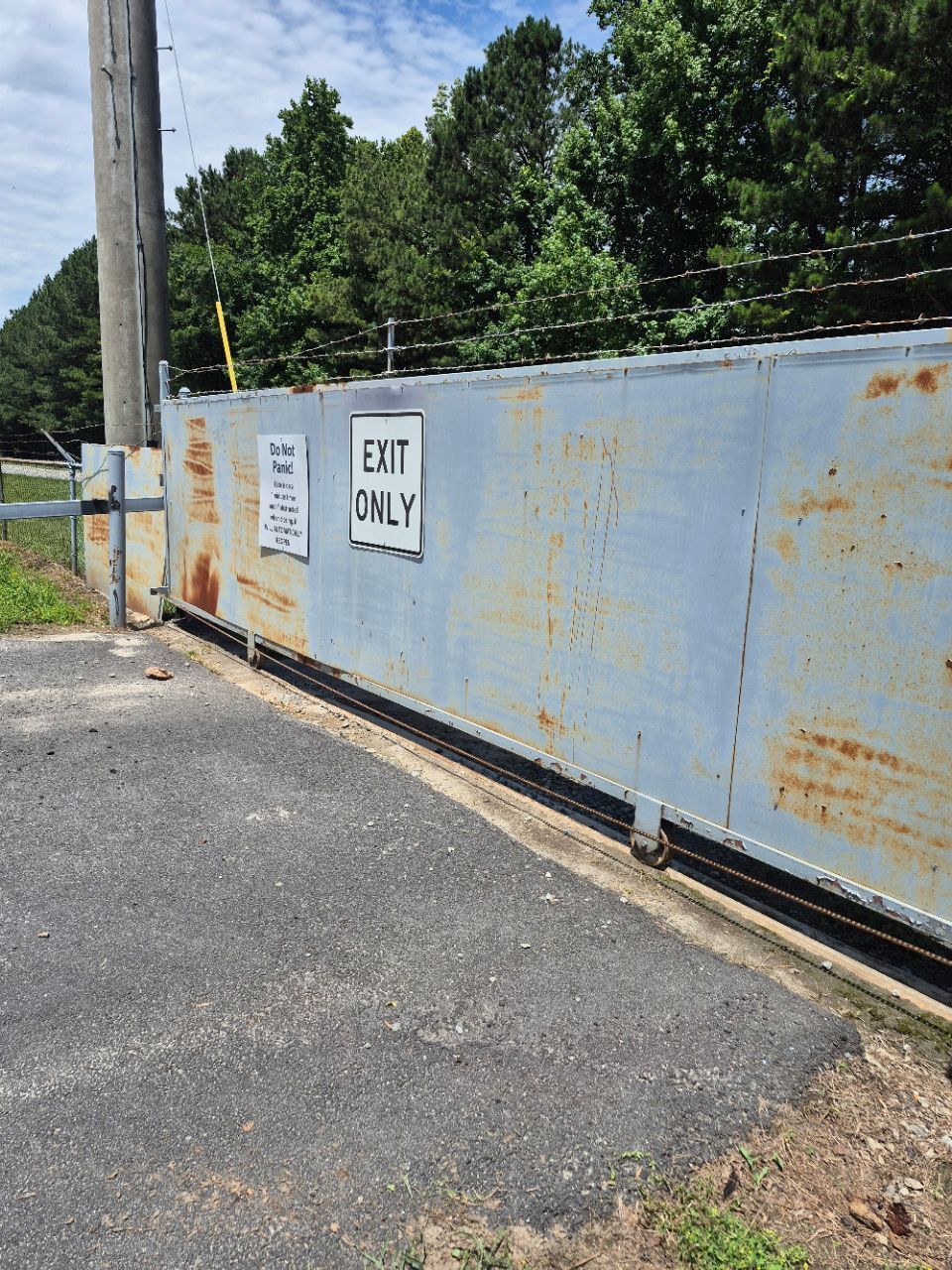
The type of gate matters as well. A slide gate may be appropriate for one property, while another entrance may use a swing gate or barrier arm. The gate operator must be properly matched to the size, weight, frequency of use, and traffic demands of the entrance.
Safety equipment is another important part of the design. Vehicle detectors, photo eyes, safety edges, loops, and other devices may be used to help the gate respond appropriately as vehicles move through the entrance. Access control determines who is allowed to enter, but the entire gate system has to work together to manage that entry safely and reliably.
- Gate operators: Must be sized and configured for the gate and expected traffic volume.
- Slide, swing, or barrier-arm gates: Different entrances may require different physical gate designs.
- Safety devices: Help the gate respond properly while vehicles are entering or exiting.
- Cameras: Can provide additional visual verification and security monitoring.
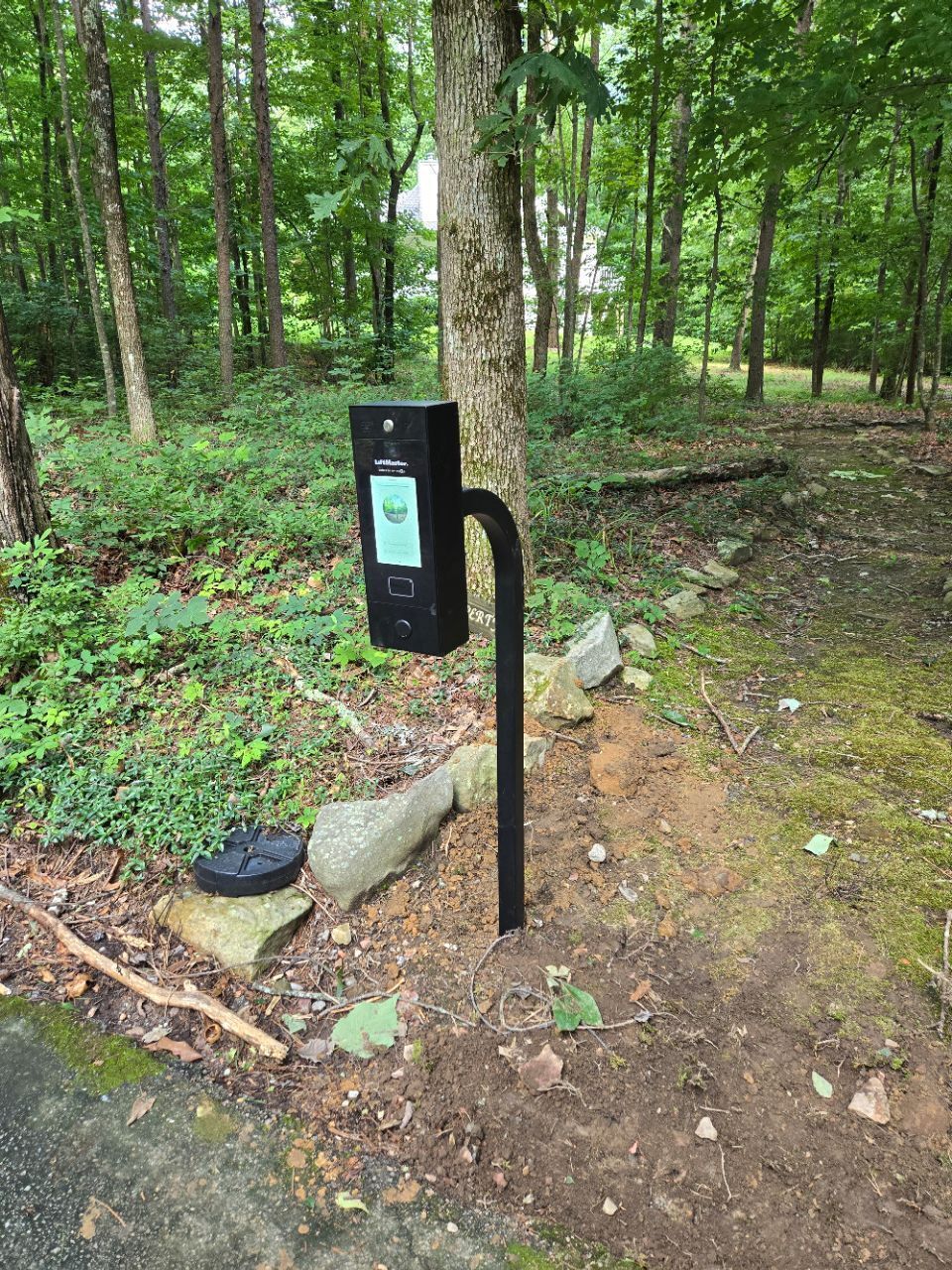
- Intercom systems: Give unexpected visitors or delivery drivers a way to request entry.
- Cloud-based access management: Can make it easier to add, remove, or modify permissions remotely.
- Pedestrian access: Vehicle and pedestrian entry points can be coordinated as part of one security plan.
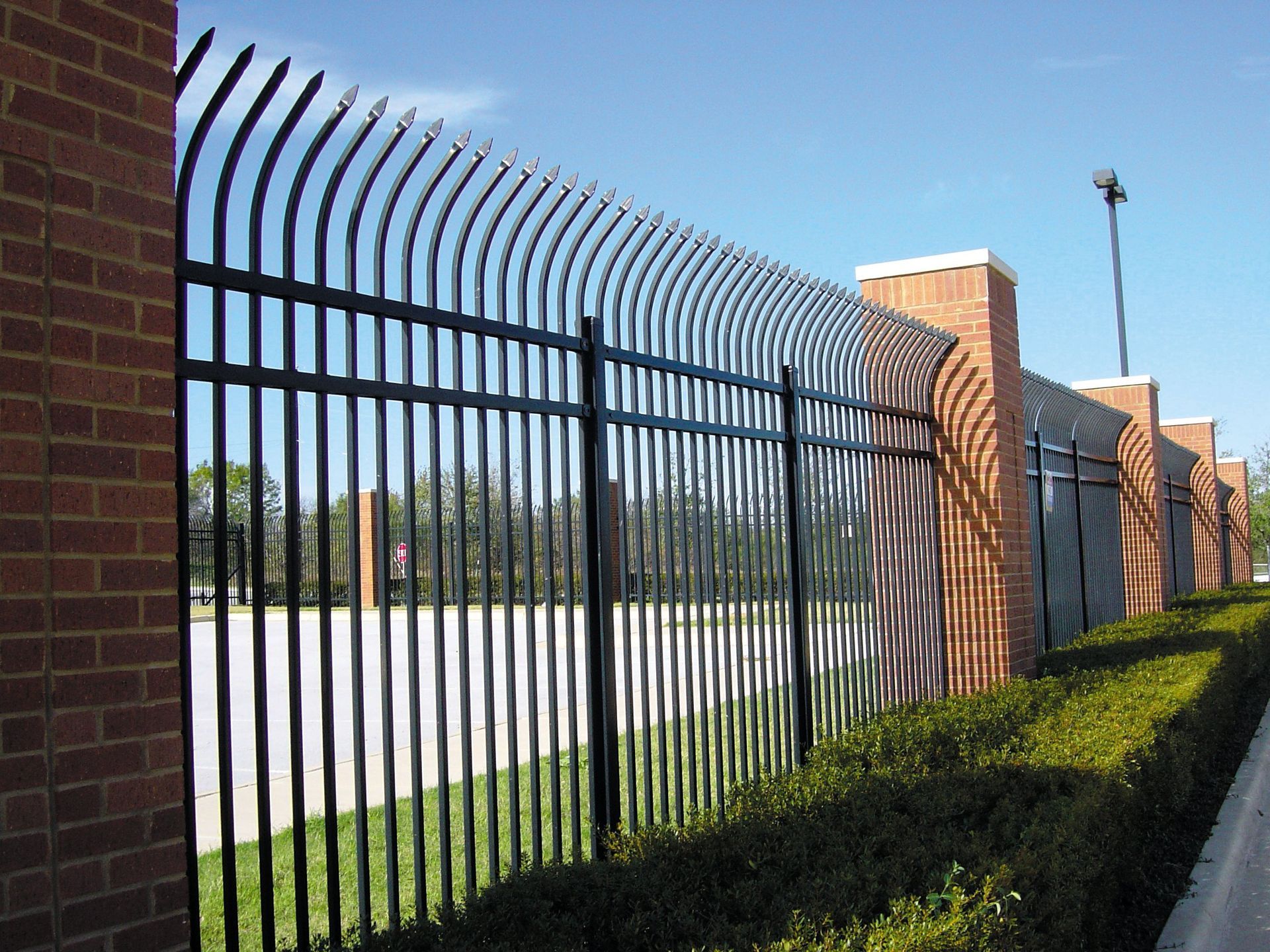
- Perimeter fencing: Helps direct traffic through controlled entrances instead of leaving other areas exposed.
What Property Managers Should Decide Before Installation
Choosing the right technology becomes easier when the property manager has a clear picture of how the entrance is used. Traffic patterns, visitor volume, security needs, and management preferences all influence the design.
One of the first questions is how many vehicles use the entrance during peak periods. A community with heavy morning and evening traffic may benefit from long-range credentials that allow vehicles to move through with minimal stopping. A lower-volume property may place more emphasis on visitor verification or detailed access records.
- Estimate daily and peak-hour vehicle traffic.
- Identify which users need permanent access and which need temporary access.
- Decide whether visitors should receive digital credentials or request entry through an intercom.
- Consider whether license plate records or credential activity logs are important.
- Determine whether access needs to be managed remotely.
- Count the number of vehicle and pedestrian entrances that need to be controlled.
- Consider whether the system should integrate with cameras, building access, or other security equipment.
- Plan for future growth, additional users, or changes in traffic patterns.
It is also worth thinking about how credentials will be managed over time. Residents move, employees leave, contractors finish projects, and vendors change. An access-control system should make it practical to deactivate old credentials and issue new ones without creating unnecessary administrative work.
Vehicle Access Control Installation in Atlanta, GA
Power Access Control provides gate automation, access control, and integrated security solutions for commercial properties, communities, industrial facilities, and other organizations throughout Atlanta and the surrounding region. Their services include vehicle gate systems, access-control technology, long-range RFID, license plate recognition, QR entry, intercoms, cameras, and related perimeter security solutions.
Properties in Atlanta, Marietta, Alpharetta, Roswell, Sandy Springs, Suwanee, and surrounding Metro Atlanta communities can benefit from designing vehicle access around the specific needs of the site. The goal is not simply to automate a gate, but to create an entrance that moves authorized traffic efficiently while giving property managers better control over who is allowed through.
Whether a property needs RFID gate access for regular users, license plate recognition for approved vehicles, QR credentials for temporary visitors, or a combination of several technologies, the system should be designed as one connected solution.
For property managers searching for vehicle access control in Atlanta, GA, RFID gate access in Metro Atlanta, LPR access control, or commercial automatic gate systems, Power Access Control can help design and install a system built around the property, traffic volume, and security requirements.
RECENT PROJECTS