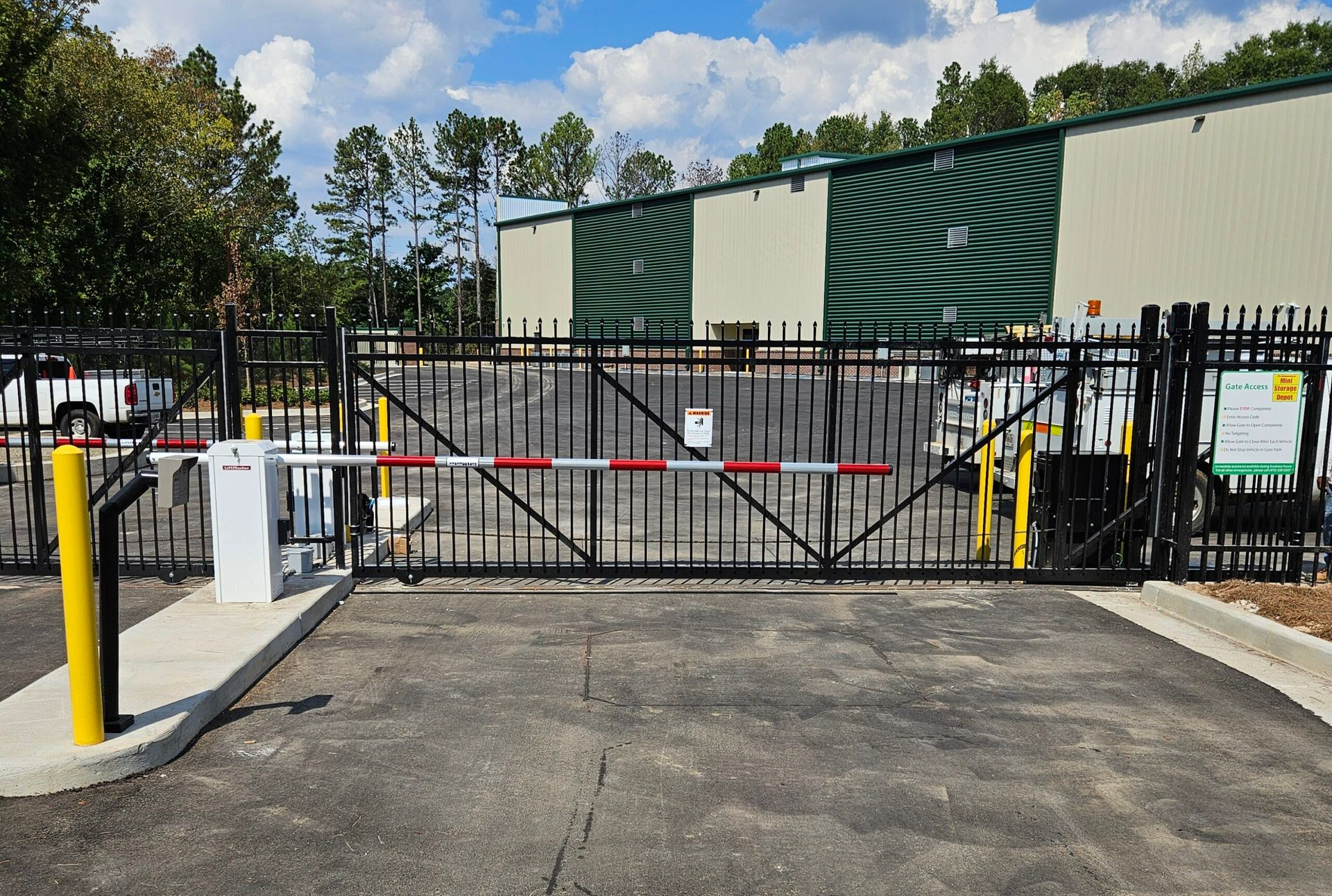
Commercial Security Fencing in Atlanta: Choosing the Right Perimeter for Your Property
Why Perimeter Security Is the First Layer of Property Protection
When businesses think about property security, cameras, card readers, alarms, and electronic access systems often come to mind first. But before someone ever reaches a controlled door or access reader, there is another important layer of protection to consider: the property perimeter. A properly designed commercial security fence helps establish a clear boundary between public areas and controlled property.
For commercial and industrial properties throughout Atlanta and Metro Atlanta, perimeter fencing can serve several purposes at once. It can discourage unauthorized entry, guide vehicles and pedestrians toward designated access points, protect outdoor equipment, and make it easier to control how people move onto and off of the property.
This becomes especially important for properties with valuable equipment or large outdoor areas. Warehouses, industrial facilities, logistics yards, commercial campuses, multi-tenant properties, and other sites may have assets located outside the main building. Without a clearly established perimeter, controlling access to those areas can be much more difficult.
Commercial security fencing can help protect and organize areas such as:
- Equipment and material storage yards
- Loading docks and delivery areas
- Employee and fleet parking areas
- Utility equipment and mechanical systems
- Commercial and industrial buildings
- Restricted portions of a larger campus
- Vehicle entrances and exits
- Areas that should only be accessible to authorized personnel
The fence also influences how the rest of the security system functions. Instead of allowing vehicles or pedestrians to approach a property from multiple directions, fencing can help channel traffic toward specific entrances. Those entrances can then be equipped with gates, credentials, intercoms, cameras, or other access-control technology based on the needs of the facility.
A Security Fence Should Be Designed Around the Property
There is no single fence design that works for every Atlanta commercial property. A small office complex has very different security needs from an industrial yard with trucks arriving throughout the day. Likewise, a gated residential community may want a secure perimeter that still complements the appearance of the neighborhood.
Before choosing a fence, property owners should consider what they are actually trying to accomplish. Is the primary goal to discourage unauthorized entry? Protect equipment? Control vehicle movement? Create a boundary around a commercial campus? Maintain visibility through the fence? Or combine security with an attractive entrance?
Answering those questions helps determine the appropriate material, height, layout, gate locations, and other features. The strongest or tallest fence is not automatically the best solution if it creates operational problems or does not match the way people and vehicles need to move through the property.
Power Access Control installs commercial and industrial fencing in Atlanta and throughout the Southeast, including ornamental steel, aluminum, chain-link, privacy, and industrial security fencing. Because fencing can also be integrated with automatic gates and credentialed entry, the perimeter can be planned as part of a complete security system rather than as a separate project. :contentReference[oaicite:0]{index=0}
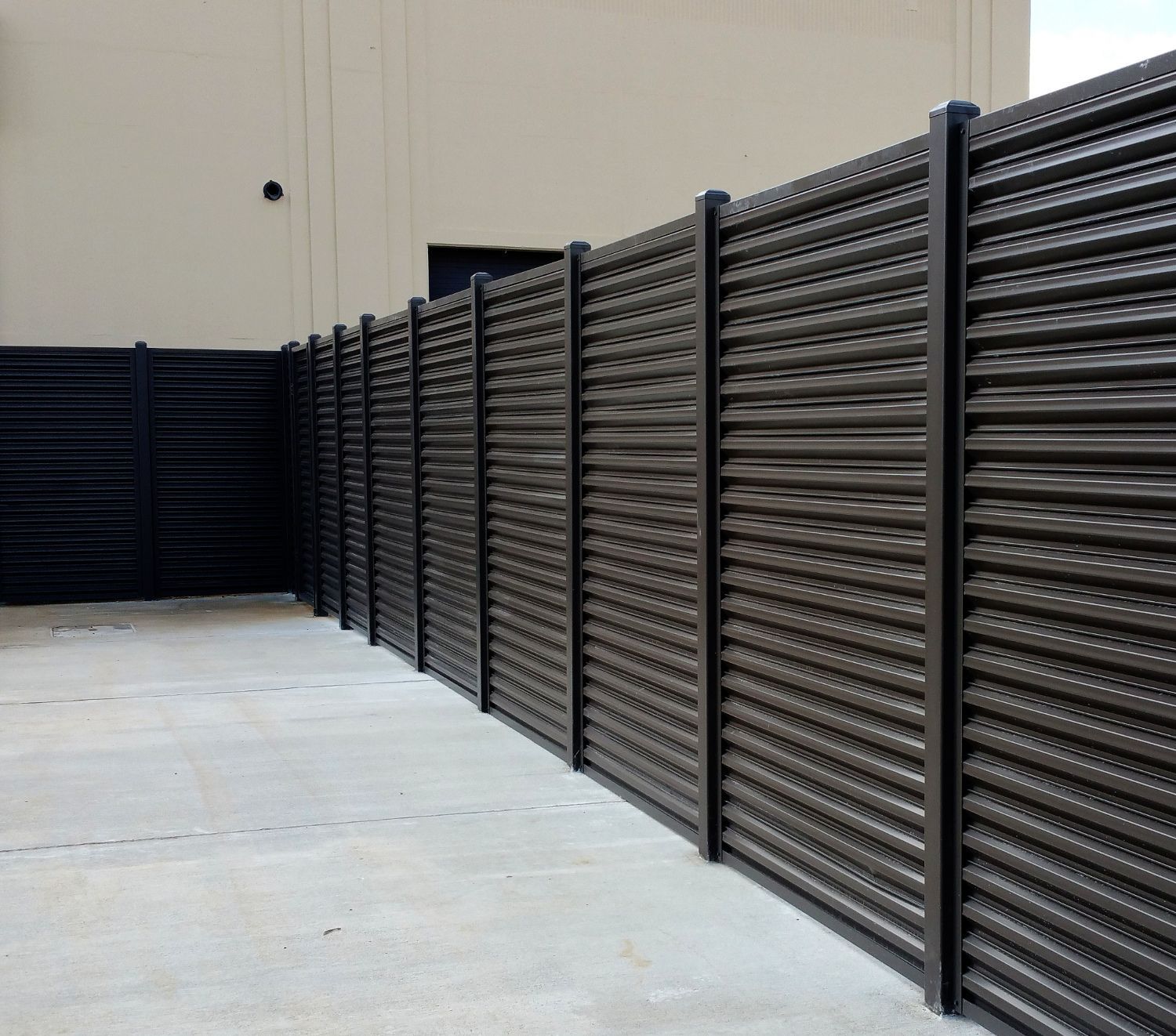
Steel, Chain-Link, Aluminum, or Ornamental: Which Fits the Property?
Choosing commercial fencing is about balancing security, visibility, appearance, durability, and budget. Different materials serve different purposes, which is why the right choice depends heavily on the property itself.
Steel fencing is often a strong option when durability and security are high priorities. It can create a substantial physical barrier while still being fabricated in styles that complement the property. For facilities where appearance matters at the main entrance, steel can provide security without making the property feel unfinished or temporary.
Chain-link fencing offers a different combination of benefits. It can be particularly practical for large commercial and industrial perimeters because it establishes a clear boundary while maintaining visibility through the fence. That visibility can be useful around equipment yards, logistics facilities, storage areas, and properties where security personnel or cameras need a relatively unobstructed view.
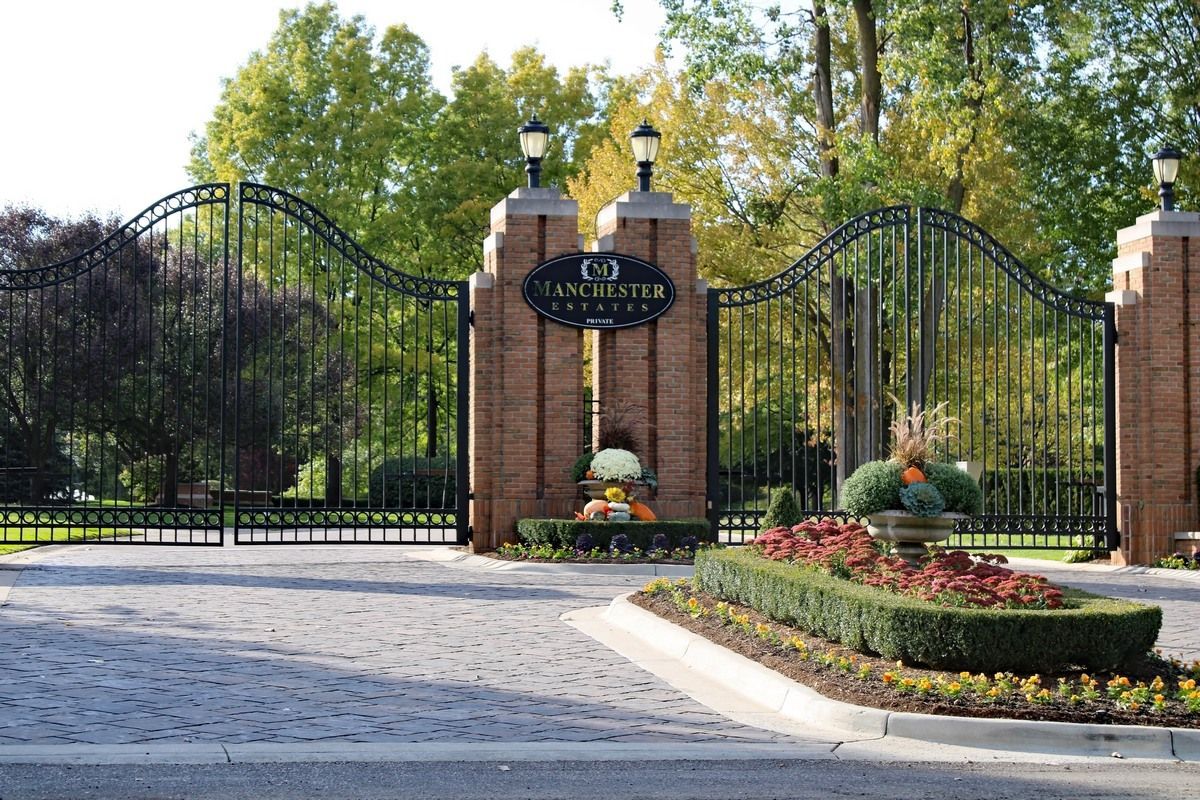
Aluminum and ornamental fencing can work well when the appearance of the perimeter is especially important. Corporate properties, multi-tenant developments, HOAs, and other sites may want a defined and controlled perimeter without creating an overly industrial appearance at customer-facing or residential entrances.
Power Access Control's available fencing solutions include:
- Steel security fencing
- Ornamental steel fencing
- Aluminum fencing
- Chain-link fencing
- Industrial security fencing
- Privacy fencing
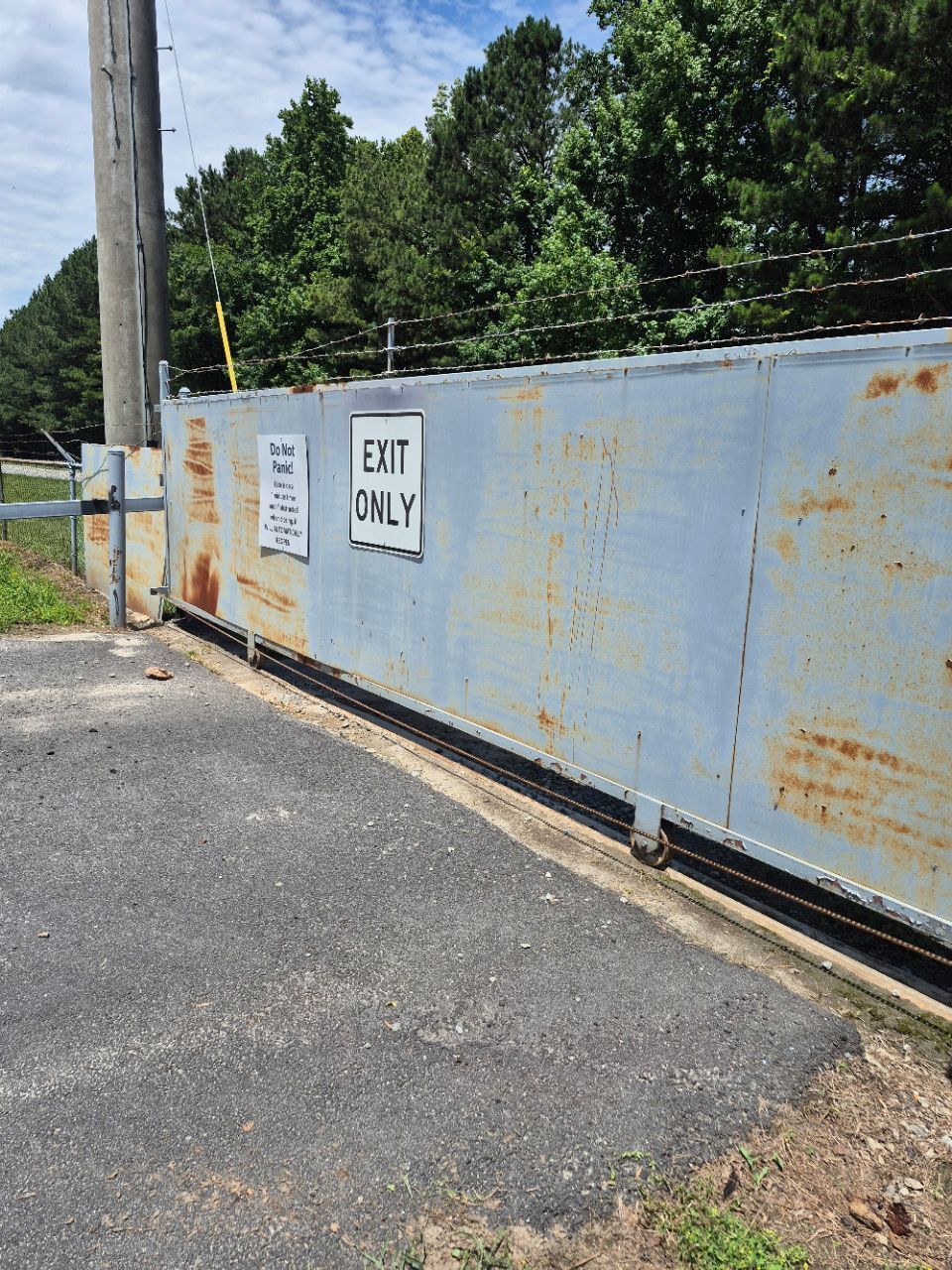
- Barbed-wire fencing for appropriate applications
Rather than choosing a material based only on appearance, businesses should consider how the fence will function every day. A large industrial site may prioritize durability and visibility, while a commercial entrance may require a more polished design that still supports controlled access. Power Access Control offers these different fencing types for commercial properties, communities, and other secured sites throughout the Atlanta area. :contentReference[oaicite:1]{index=1}
Security Level Matters More Than Choosing One “Best” Fence
The best security fence is the one designed for the risks and operations of the property. That means looking beyond the fence material itself. Height, placement, terrain, gate openings, nearby structures, visibility, and access points can all influence how effective the finished perimeter will be.
Before planning commercial security fencing, property owners and managers should consider questions such as:
- What needs to be protected? An equipment yard may require a different perimeter than an office campus or gated community.
- Who needs regular access? Employees, residents, delivery drivers, visitors, contractors, and emergency personnel may all use the property differently.
- How many entrances are necessary? Too many uncontrolled openings can weaken an otherwise well-designed perimeter.
- Does visibility matter? Some properties benefit from being able to see through the fence, while others place a greater priority on privacy.
- What type of vehicle traffic enters the site? Passenger vehicles, delivery vans, tractor-trailers, and fleet vehicles can require different entrance designs.
- Will electronic access control be added? Gate operators, readers, keypads, intercoms, and other technology should be considered during the initial planning.
- Could the facility expand later? A perimeter should account for reasonable future changes whenever possible.
Terrain matters too. Elevation changes, existing pavement, buildings, utility areas, and other site conditions can affect the path of a fence. Planning around those features from the beginning can help avoid gaps or awkward transitions that undermine the purpose of the perimeter.
For higher-security commercial or industrial facilities, the perimeter may need to work with additional security measures rather than functioning alone. Power Access Control works with commercial properties, industrial sites, logistics hubs, government facilities, HOAs, and other properties that require combinations of fencing, gates, and controlled entry. :contentReference[oaicite:2]{index=2}
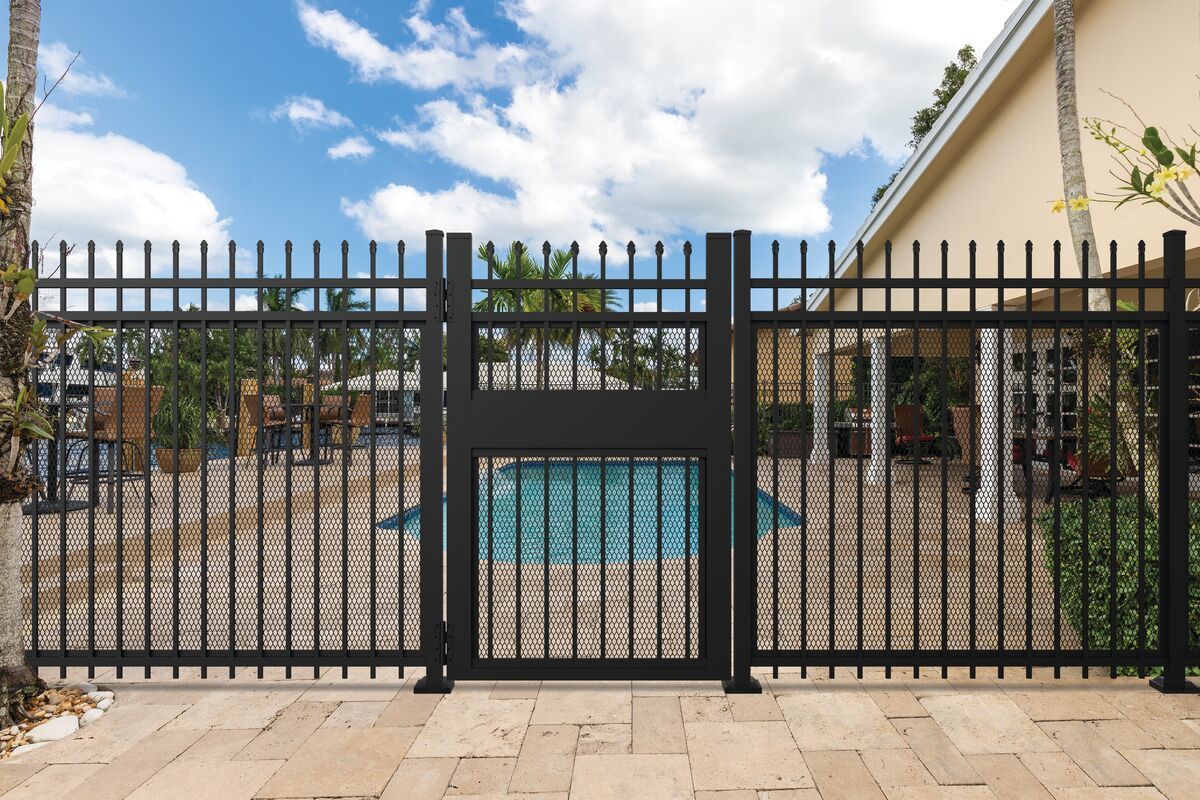
Where Fencing and Access Control Need to Work Together
A secure fence can establish the perimeter, but every opening in that perimeter needs careful planning. Vehicle gates, pedestrian entrances, delivery areas, and employee access points are where physical fencing and electronic access control begin working together.
For example, a commercial facility may surround its property with security fencing while directing all vehicles toward one or two automated gates. Employees might enter using an approved credential, while visitors communicate through an intercom or another controlled-entry system. Pedestrian doors or gates can have their own card readers or keypads so access remains organized without forcing everyone through the vehicle entrance.
Power Access Control installs systems that can unify vehicle gates and pedestrian doors with card readers, keypads, mobile credentials, intercoms, cloud-based platforms, and other access-control technology. This allows the physical perimeter and the electronic security system to support the same overall access strategy. :contentReference[oaicite:3]{index=3}
A complete commercial perimeter security plan may include:
- Security fencing around the property boundary
- Automatic vehicle gates at controlled entrances
- Separate pedestrian access points where appropriate
- Card readers, keypads, or mobile credentials
- Visitor communication and entry systems
- Security cameras positioned around critical access points
- Access permissions tailored to employees, residents, vendors, or other users
- Planning for future expansion or additional controlled entrances
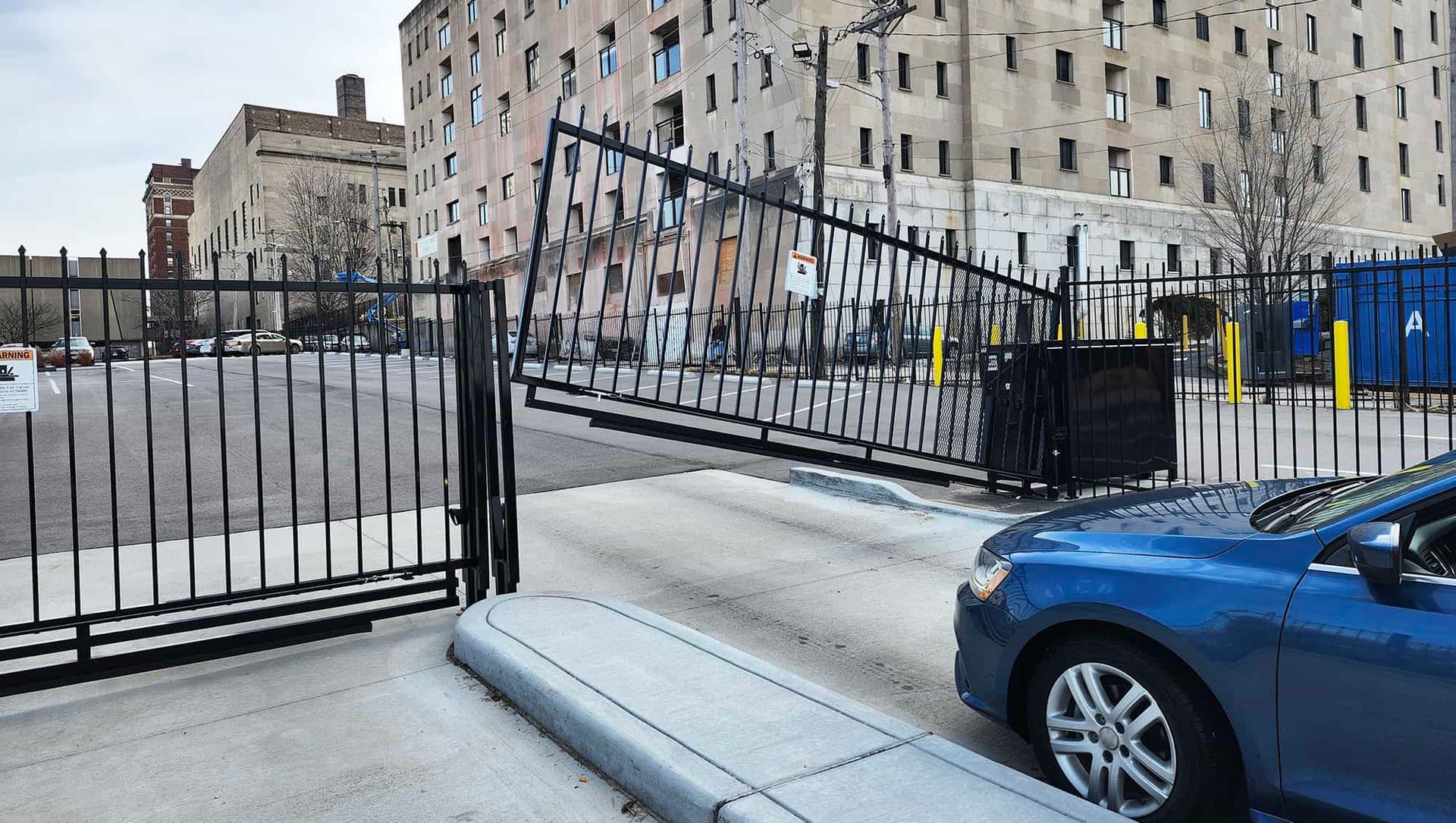
The transition between the fence and gate deserves particular attention. A high-quality security fence loses some of its value if the entrance leaves unnecessary gaps or if the gate system does not match the site's traffic requirements. The fence line, gate structure, operator, access hardware, and surrounding construction should be considered together.
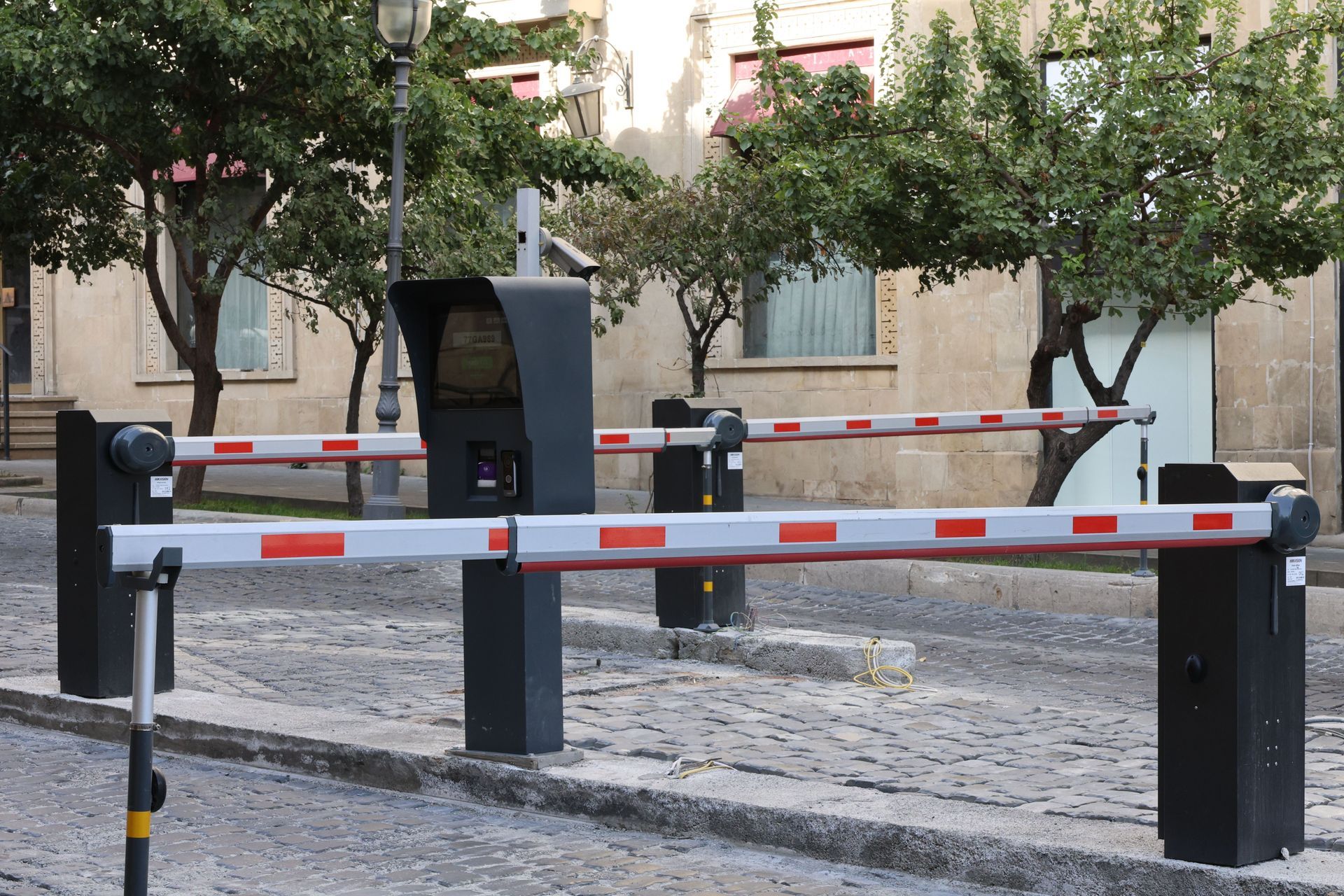
This is especially important for busy commercial and industrial sites. Power Access Control installs swing, slide, and barrier-arm gates for applications ranging from gated communities to industrial yards and commercial properties, allowing the entrance design to be matched to the way the site actually operates. :contentReference[oaicite:4]{index=4}
Commercial Security Fence Installation in Atlanta, GA
Commercial perimeter security works best when it is planned as a system rather than a collection of unrelated products. A fence determines where people can approach the property. Gates determine where vehicles can enter. Access-control technology determines who is authorized to move through those entrances. When those components are designed together, the property can be both more secure and easier to manage.
Professional site planning can also help identify details that may not be obvious when looking at a fence alone. Traffic patterns, delivery routes, employee parking, emergency access, pedestrian movement, existing pavement, future expansion, and the security level of different areas can all influence the finished design.
Businesses may want to evaluate their existing perimeter if they notice issues such as:
- Too many uncontrolled entrances onto the property
- Employees and visitors using the same entry without clear separation
- Outdoor equipment or storage areas that are easily accessible
- Damaged, incomplete, or aging perimeter fencing
- Vehicle gates that do not integrate with the surrounding fence
- A need for stronger access control as the facility grows
Power Access Control provides fencing, automatic gates, access control, and related perimeter-security solutions for commercial properties, HOAs, industrial facilities, logistics sites, government organizations, and other clients. The company serves Atlanta and surrounding Metro Atlanta communities including Suwanee, Marietta, Alpharetta, Roswell, and Sandy Springs, with projects throughout Georgia and the Southeast. :contentReference[oaicite:5]{index=5}
For businesses looking for commercial security fencing in Atlanta, the first step is understanding what the perimeter needs to accomplish. The appropriate solution may be a straightforward fence installation, a higher-security industrial perimeter, or a fully integrated system combining fencing with automated gates and controlled entry.
If your commercial property needs a stronger, more organized perimeter, contact Power Access Control to discuss the site and its security requirements. With fencing, gate fabrication and installation, and access-control capabilities available through one company, the entire perimeter can be designed around how the property needs to function today while leaving room for future security upgrades.
RECENT PROJECTS