Commercial Door Access Control in Atlanta, GA: Why Businesses Are Moving Beyond Traditional Keys
Why Atlanta Businesses Are Upgrading Their Door Security
Think about how many people need access to a typical commercial building throughout the week. Employees arrive for different shifts, managers come and go, cleaning crews work after hours, and contractors occasionally need temporary entry. When everyone depends on traditional metal keys, keeping track of who can enter the building can quickly become complicated.
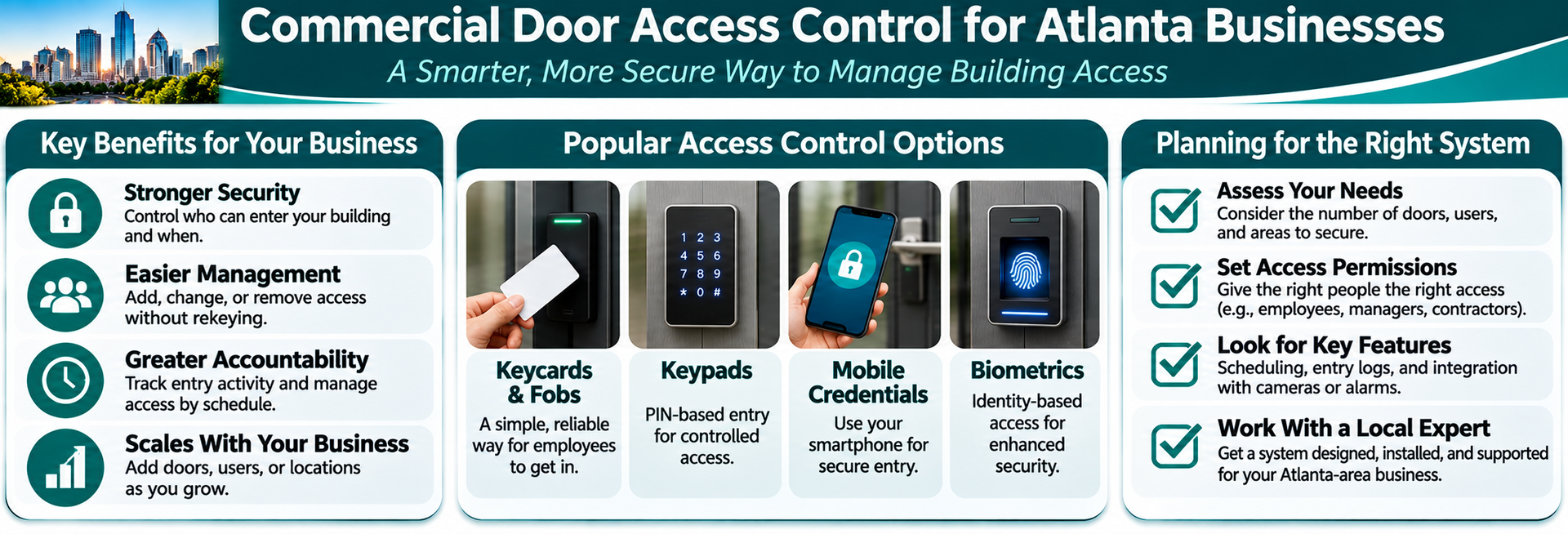
For businesses throughout Atlanta, GA, commercial door access control systems offer a more flexible way to manage building security. Instead of distributing physical keys that can be lost, copied, or forgotten, business owners can use electronic credentials to determine who enters specific areas and when.
At Power Access Control, we understand that every commercial property has different security requirements. A small office in Alpharetta may only need controlled access at its main entrance, while a large warehouse in Suwanee may require multiple secured doors, employee access schedules, and restricted storage areas. The right access control system should fit the property rather than forcing the business to adapt to unnecessary technology.
Traditional keys have served businesses for decades, but they come with limitations. When an employee leaves without returning a key, management may need to decide whether rekeying the locks is necessary. If several people share the same key, determining who entered a particular room can be difficult. And when a business grows, distributing and tracking additional keys becomes another administrative responsibility.
Electronic access control addresses many of these challenges by allowing authorized administrators to manage credentials through a centralized system. Depending on the equipment and software, access permissions can be added, changed, or removed without replacing door locks.
Some of the biggest reasons businesses choose keyless entry systems include:
- Better credential management: Add or remove employee access without collecting physical keys.
- Improved accountability: Compatible systems can record when individual credentials are used.
- Flexible scheduling: Limit access to certain doors during specific hours or shifts.
- Reduced rekeying needs: Lost electronic credentials can often be deactivated remotely.
- Restricted area protection: Control access to offices, inventory rooms, and sensitive workspaces.
- Convenient daily entry: Employees can use cards, fobs, PINs, or supported mobile devices.
For growing companies in Atlanta and surrounding communities, these capabilities can make everyday building management considerably easier. Rather than relying entirely on physical key distribution, business owners gain more control over how their property is accessed.
Types of Commercial Door Access Control Systems
One of the advantages of modern commercial access control is the variety of entry methods available. Businesses aren't limited to a single type of credential, and many systems can support multiple methods depending on the security needs of each entrance.
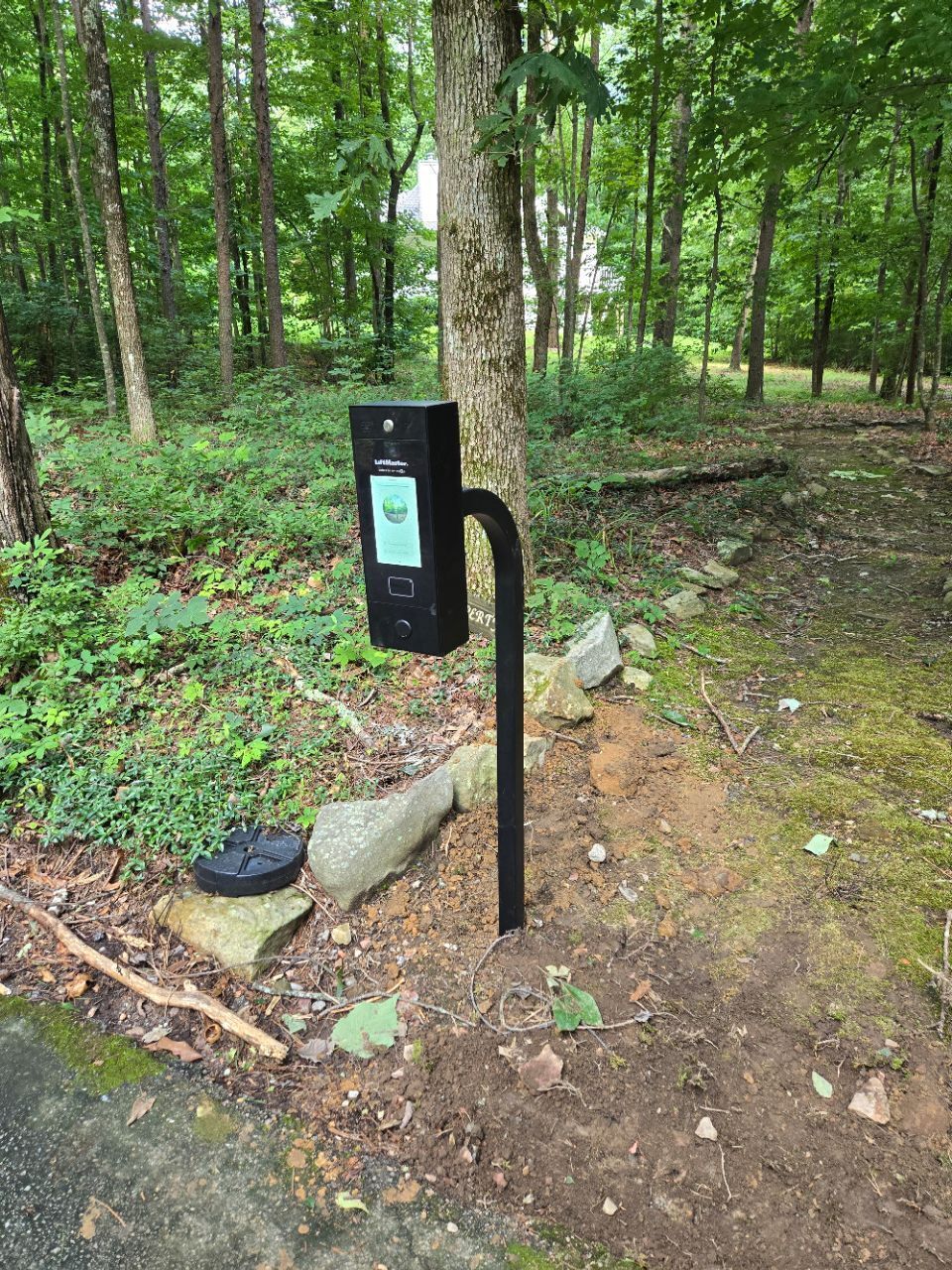
Keycard systems are among the most familiar options. Employees present an authorized card to a reader, which communicates with the access control system to determine whether entry should be permitted. Proximity cards and electronic key fobs provide similar convenience, although their underlying technologies and security capabilities can differ.
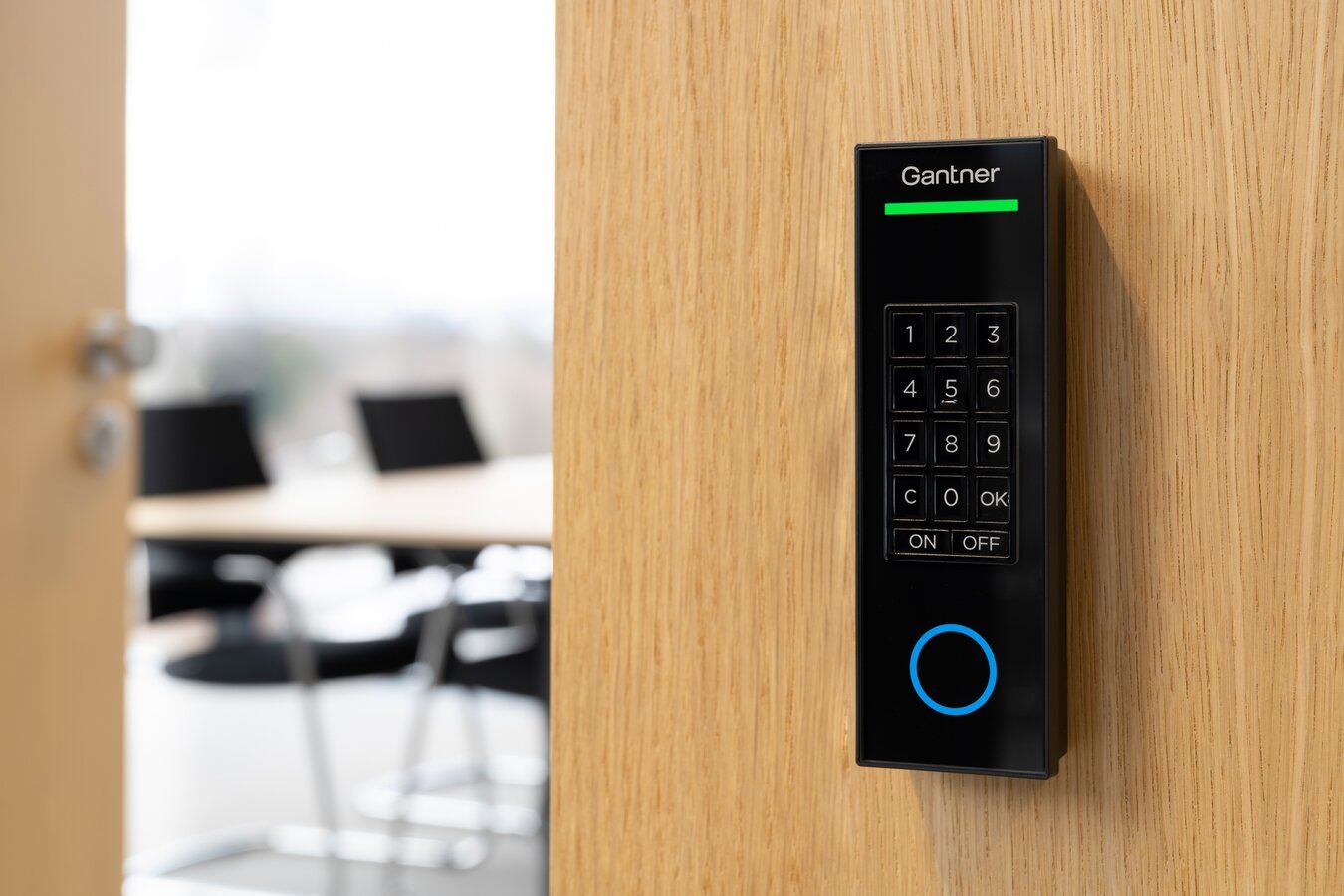
Keypad access control systems use a PIN code rather than a physical credential. These can work well for certain entrances or smaller facilities, but businesses should consider how codes are assigned and changed. Shared codes may be convenient, but individual credentials generally provide better accountability.
Mobile credential access control is another option gaining attention. With compatible systems, authorized employees can use a smartphone to unlock designated doors. This can reduce the need to issue separate cards and may make credential management more convenient.
Some facilities also consider biometric authentication, such as fingerprint readers. These technologies may be appropriate for specialized applications, although privacy requirements, accessibility, and operational conditions should be evaluated carefully.
Common commercial entry options include:
- Keycards: Familiar credentials suitable for offices, commercial buildings, and employee entrances.
- Proximity fobs: Compact electronic credentials that are easy to carry.
- PIN keypads: Code-based access for selected doors and controlled areas.
- Mobile credentials: Smartphone-based entry through compatible readers and software.
- Biometric readers: Identity-based authentication for applications with specialized requirements.
Choosing the right technology depends on the number of users, the required level of security, and how frequently access permissions change. A professional commercial access control installer can help compare these options and recommend equipment that supports the property's daily operations.
What Should You Look for in a Commercial Access Control System?
Choosing a commercial door access control system involves more than deciding whether employees should use keycards or smartphones. The system needs to work with the building's layout, existing doors, staffing requirements, and security priorities. A solution that works perfectly for a small professional office may not provide the same functionality for a warehouse, medical facility, or multi-tenant property.
Start by considering how many doors need controlled access. Some businesses only want to secure the main entrance, while others need electronic access at employee entrances, storage rooms, management offices, and restricted work areas. Identifying these locations helps determine the appropriate hardware, controllers, and system capacity.
Employee scheduling is another important factor. A business with standard daytime hours may have relatively simple access requirements. Facilities operating multiple shifts, however, may need credentials that work only during assigned hours. Contractors and temporary workers may also require access that automatically expires after a specific period.
Modern access control systems can provide useful administrative features, but not every system offers the same capabilities. Before selecting equipment, business owners should consider which functions are genuinely necessary for their operations.
Important questions to ask before commercial access control installation include:
- How many exterior and interior doors need electronic access?
- How many employees, managers, contractors, and visitors will need credentials?
- Should different departments have access to different areas?
- Will access permissions need to change based on work schedules?
- Would entry activity logs help with security or administrative oversight?
- Does the business need integration with security cameras, alarms, or other systems?
- Will the property likely expand or add more controlled doors in the future?
- Who will be responsible for managing credentials and system updates?
Integration can be particularly valuable for businesses that already use other security technologies. Depending on system compatibility, electronic access control may work alongside surveillance cameras, intrusion alarms, intercoms, and visitor management equipment.
It's also important to consider reliability during power outages or network interruptions. Different electronic locking systems have different operating characteristics, and backup power or offline functionality may be necessary. These decisions must be made with building safety and applicable codes in mind.
For Atlanta business owners, professional planning helps ensure the system meets current needs while leaving room for future growth. Investing in appropriate infrastructure from the beginning may make later expansions easier and more cost-effective.
How Different Atlanta Businesses Benefit From Controlled Entry
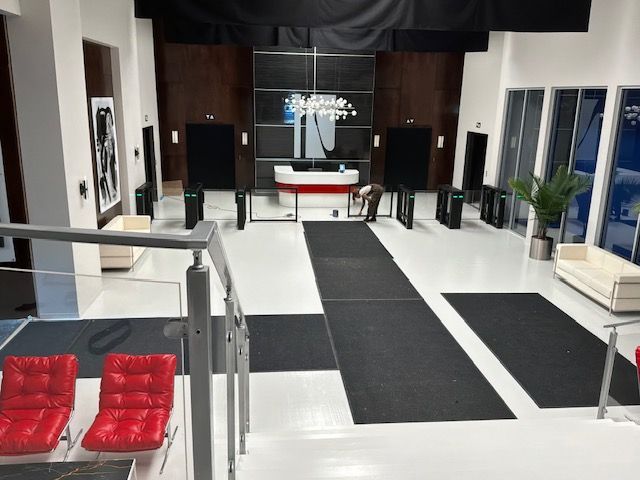
Commercial door access control isn't limited to large corporations or high-security facilities. Businesses of many sizes can benefit from managing who enters their property, particularly when several employees, departments, or outside vendors share the same building.
Professional offices often use electronic access control to secure employee entrances and private workspaces. Instead of issuing keys to every employee, administrators can assign credentials based on job responsibilities. Conference rooms, management offices, and areas containing confidential records may require additional restrictions.
Warehouses and distribution facilities face different challenges. Multiple shifts, loading areas, inventory storage, and frequent contractor visits can make traditional key management inconvenient. Electronic access control allows facility managers to establish separate permissions for designated doors and work areas.
Medical and professional service facilities may need to protect restricted rooms, equipment, or sensitive information. Access control can support these goals by limiting entry to authorized personnel, although it should be considered one component of a broader security and compliance strategy.
Multifamily residential and mixed-use properties may also benefit from electronic entry systems. Property managers can use compatible equipment to manage access to shared entrances, amenity spaces, and staff-only areas while simplifying credential changes when occupants or employees change.
Common commercial applications include:
- Office buildings: Employee entrances, private offices, and restricted departments.
- Warehouses: Inventory rooms, loading-area entrances, and employee access points.
- Medical facilities: Staff-only areas, equipment rooms, and controlled workspaces.
- Retail businesses: Stockrooms, management offices, and back-of-house entrances.
- Multifamily properties: Shared building entrances, amenity areas, and maintenance spaces.
- Industrial facilities: Equipment rooms, production areas, and designated secure zones.
Businesses throughout Marietta, Roswell, Sandy Springs, and the greater Atlanta area may have very different building layouts, but the underlying goal is similar: provide convenient access for authorized people while reducing unnecessary security risks.
At Power Access Control, we understand the importance of matching technology to real-world operations. A well-designed system should make managing access simpler, not create additional complications for employees and administrators.
What to Expect During Professional Door Access Control Installation
Once you've selected the right type of commercial access control system, professional installation is essential for dependable performance. Electronic entry involves several components working together, including readers, controllers, locking hardware, power supplies, and management software. Each part must be properly selected and configured for the building.
The installation process typically begins with a property assessment. A technician evaluates the existing doors and frames, identifies the desired access points, and discusses how employees and visitors move through the building. Existing security equipment and network infrastructure may also be reviewed to determine compatibility.
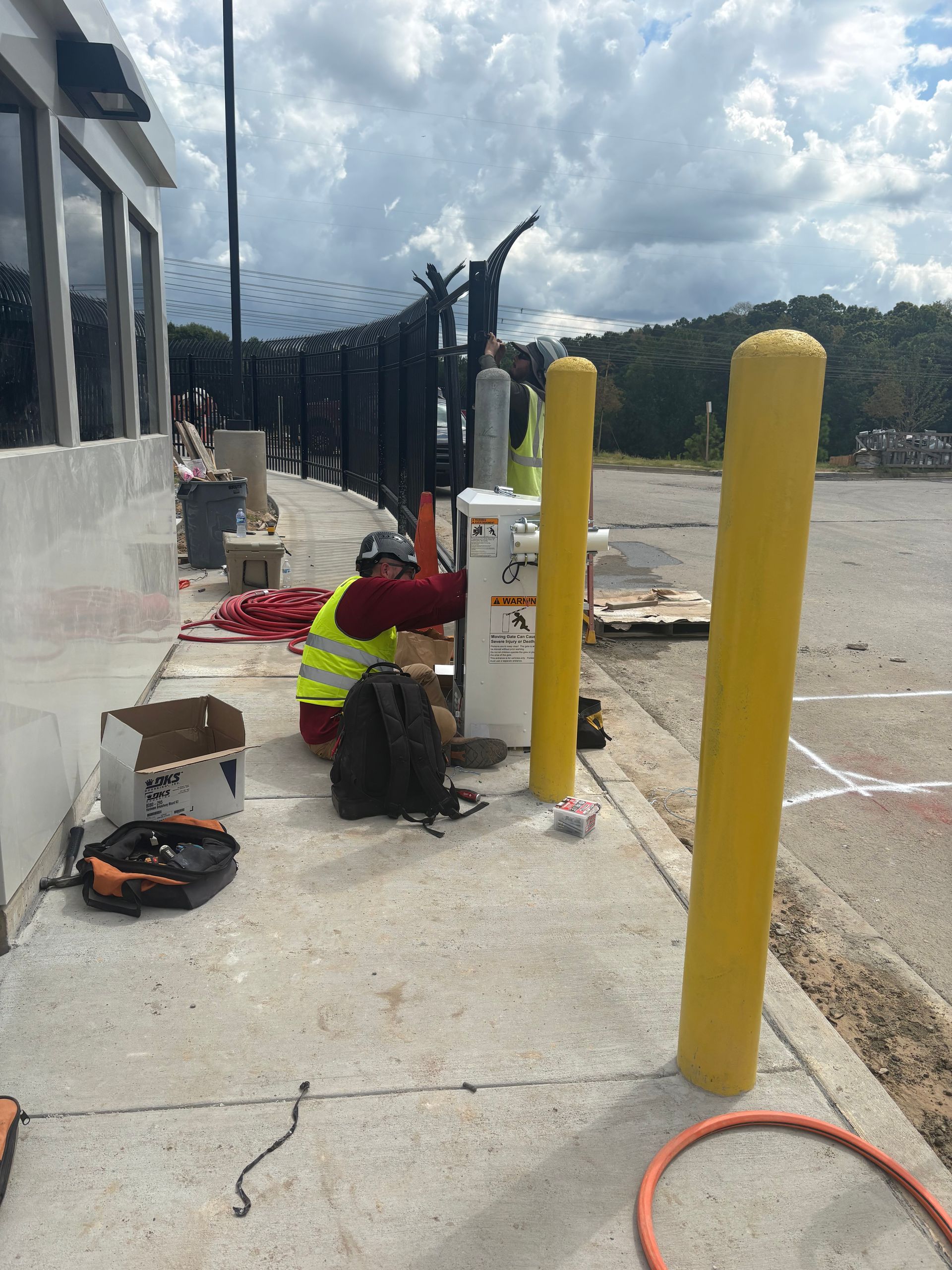
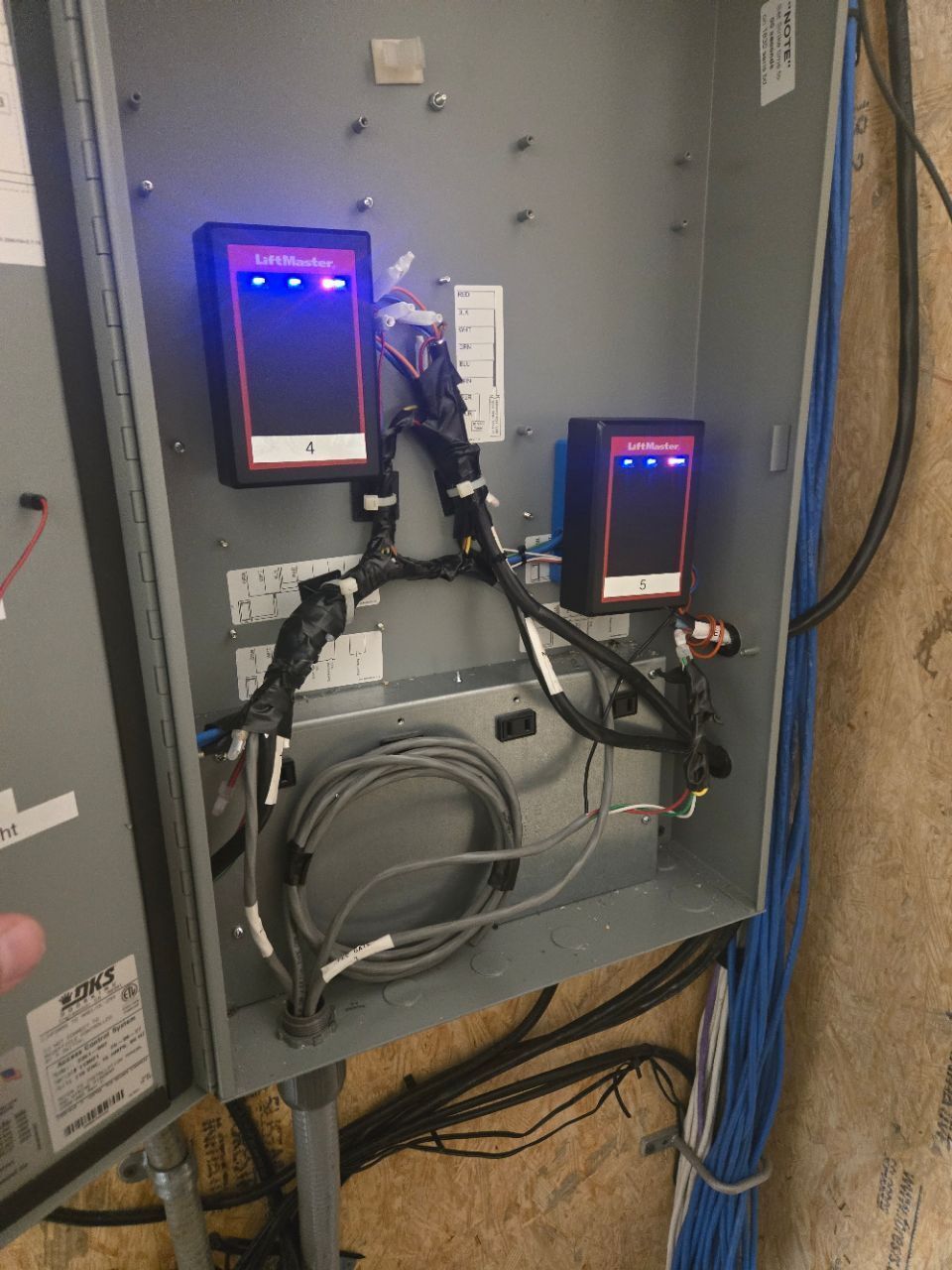
After the system is designed, appropriate hardware can be installed. Depending on the application, this may include card readers, keypads, electronic strikes, electrified locks, door position sensors, and access control panels. Some installations may require additional wiring or modifications to existing door hardware.
A typical commercial access control installation may involve:
- Security assessment: Identifying access points, user requirements, and operational concerns.
- System design: Selecting compatible credentials, readers, controllers, and locking hardware.
- Hardware installation: Installing the necessary electronic equipment and connections.
- Software configuration: Establishing user accounts, access schedules, and permission groups.
- System testing: Verifying authorized entry, door operation, and applicable safety functions.
- Administrator training: Explaining how to add users, deactivate credentials, and manage daily access.
Life safety is especially important. Commercial doors may be subject to fire codes, accessibility requirements, and emergency egress regulations. Electronic locking arrangements must be selected and installed so occupants can exit safely as required by applicable codes. A qualified installer should evaluate these requirements rather than treating every door the same way.
Professional installation also helps reduce compatibility issues. A card reader, controller, and electronic lock must communicate and operate correctly, and the system should be tested under expected operating conditions before it is placed into service.
Keeping Your Commercial Access Control System Reliable
After installation, ongoing maintenance helps keep an access control system operating as intended. Although modern electronic entry systems are designed for regular use, door hardware experiences wear, credentials can become damaged, and software may require updates.
Business owners should establish a simple process for managing credentials. When employees leave the company or change roles, their access permissions should be reviewed promptly. Temporary credentials for vendors and contractors should also be removed when they are no longer needed.
Regular system checks can help identify small issues before they interfere with daily operations. Doors that fail to latch correctly, readers that respond inconsistently, or repeated access errors may indicate that maintenance is needed.
Recommended maintenance practices include:
- Review employee access permissions and remove outdated credentials.
- Inspect readers, electronic locks, and door hardware for visible damage.
- Confirm that doors close and latch properly.
- Keep management software and compatible equipment updated according to vendor guidance.
- Check backup power equipment where installed.
- Review unusual access activity when supported by the system.
- Schedule professional service when equipment becomes unreliable.
As a business grows, its access control needs may change. Additional employees, new departments, expanded facilities, or updated security policies may require adjustments to the system. Choosing scalable equipment can help accommodate these changes without replacing the entire installation.
Existing commercial buildings may also be candidates for access control upgrades. Depending on the condition and compatibility of the current equipment, businesses may be able to modernize readers, credentials, or management capabilities while retaining some of their existing infrastructure.
Commercial Access Control Installation in Atlanta, GA
Managing building access shouldn't be one of the most complicated parts of running a business. Whether you operate a small professional office, a growing warehouse, or a multi-tenant commercial property, the right electronic access control system can help you manage entry more efficiently while supporting your overall security strategy.
At Power Access Control, we provide commercial access control solutions designed around the needs of each property. From keycard and keypad entry to advanced credential management and integrated security technology, our goal is to help businesses select systems that are practical, reliable, and appropriate for their operations.
We serve businesses throughout Atlanta, Suwanee, Marietta, Alpharetta, Roswell, Sandy Springs, and surrounding Metro Atlanta communities. Whether you're replacing traditional keys, securing additional entrances, or upgrading an existing electronic access system, professional planning and installation can help you make the most of your investment.
Commercial access control is about more than installing a reader beside a door. It's about creating a convenient, manageable way to provide the right people with the right access while maintaining the security and functionality of your property.
Ready to upgrade your commercial building's security? Contact Power Access Control to discuss your needs and request an estimate. Explore our commercial access control services or visit our contact page to get started with a customized access control solution for your Atlanta-area business.
RECENT PROJECTS