How Access Control Systems Improve Security for Atlanta, GA Gated Communities and Commercial Properties
Why Access Control Matters for Atlanta Properties
Security expectations have changed significantly for both residential and commercial properties in Atlanta, GA. Traditional locks, manual gates, and unmanaged visitor entry points no longer provide the level of oversight many property owners need. Gated communities, office parks, apartment complexes, industrial facilities, and private commercial sites all face growing pressure to control who enters the property, when they enter, and how that movement is tracked.
Access control systems solve this problem by replacing limited physical security methods with structured, technology-based entry management. Instead of relying only on keys, guards, or open-access entry points, these systems use credentials, gate operators, keypads, readers, cloud-based controls, and other integrated tools to verify and manage access in real time.
In a city like Atlanta, where properties range from urban commercial buildings to suburban gated communities, access control offers both flexibility and scalability. A smaller private property may only need controlled gate entry and keypad access, while a larger commercial site may need cloud-based management, remote credential updates, and integration with multiple controlled doors or perimeter points.
The main value of access control is not simply locking a gate or door. It is creating an organized security structure around the property. This helps owners, managers, and administrators reduce unauthorized access, simplify visitor management, and maintain more accurate records of entry activity.
For many Atlanta properties, access control systems are used to support goals such as:
- Managing gate and door access without relying on physical keys
- Restricting unauthorized vehicles or visitors from entering the property
- Assigning user-specific permissions for residents, employees, or vendors
- Creating a record of access activity for security and accountability
- Improving convenience through keypads, credentials, or remote management tools
This is especially important in environments where multiple people need different levels of access. In a commercial property, for example, employees, delivery drivers, management staff, and contractors may all require different permissions. In a gated neighborhood, residents may need regular access while guests, service vehicles, and maintenance teams require more limited or temporary entry.
Because Atlanta continues to grow both commercially and residentially, access control has become less of a luxury and more of a practical infrastructure upgrade. Property owners are looking for solutions that improve security while also creating smoother entry and exit experiences. A well-planned system helps achieve both.
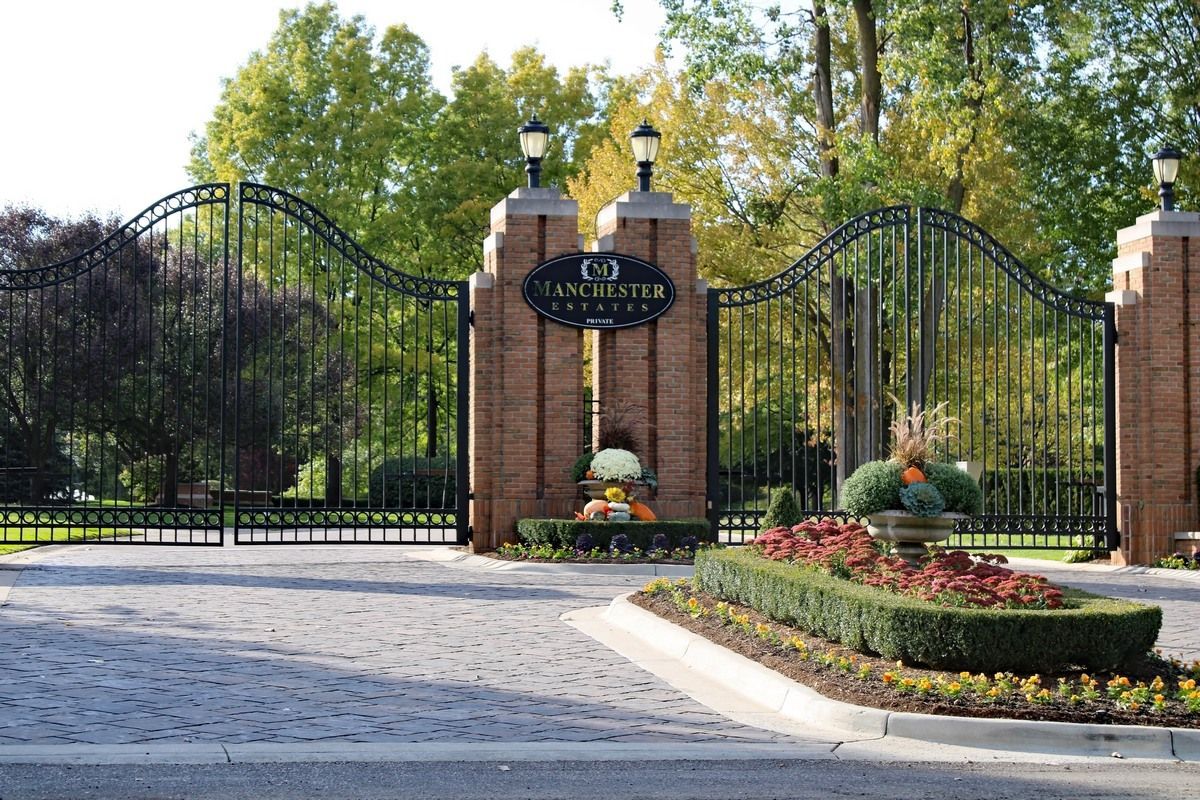
How Modern Access Control Systems Work With Gates, Credentials, and Remote Management
Modern access control systems are designed to do much more than open and close a gate. They connect physical entry points with digital management tools so access can be granted, limited, or removed based on the needs of the property. This structure is what makes them especially effective for Atlanta businesses and gated communities that need dependable security without creating unnecessary delays for approved users.
A typical access control system may include automatic gate operators, keypads, card or fob readers, intercom systems, cloud-based management platforms, or even biometric entry tools depending on the property’s needs. These components work together to verify users before granting entry. Once installed, the property owner or manager has more control over who can access specific entry points and at what times.
This matters because security is rarely one-size-fits-all. A private residential gate in metro Atlanta may benefit most from keypad entry and remote gate operation, while a commercial or industrial property may need credentialed access, time-based restrictions, and multi-user management. Some properties also need systems that can be updated quickly when a resident moves out, an employee leaves, or a vendor’s access needs change.
Cloud-based access management has become especially useful because it allows system administrators to manage permissions without being physically present at the site. That means access credentials can be updated, revoked, or reviewed remotely, which is particularly valuable for properties with multiple gates, multiple buildings, or managers overseeing more than one location.
Depending on the type of property, access control systems may use tools such as:
- Keypads for gated residential or commercial entry
- Card, fob, or mobile credentials for staff and approved users
- Cloud-based management platforms for remote updates and monitoring
- Biometric readers for higher-security access points
- Automatic gates integrated with visitor communication systems
For commercial properties in Atlanta, this level of control improves both security and workflow. Staff can enter specific areas without requiring manual unlocking, and property managers can oversee access activity without depending entirely on on-site personnel. For gated communities, these systems help manage resident access while also making guest and service entry more structured.
Another major advantage is that modern access control systems are easier to scale. As a property grows or its security needs change, additional gates, doors, credentials, or managed access points can often be added without rebuilding the entire system. This makes access control a long-term investment rather than a short-term fix.
In practical terms, the right system creates a more secure property perimeter, simplifies user access, and reduces the operational problems that come from unmanaged or outdated entry methods. That combination is why access control continues to be one of the most valuable upgrades for Atlanta-area properties.
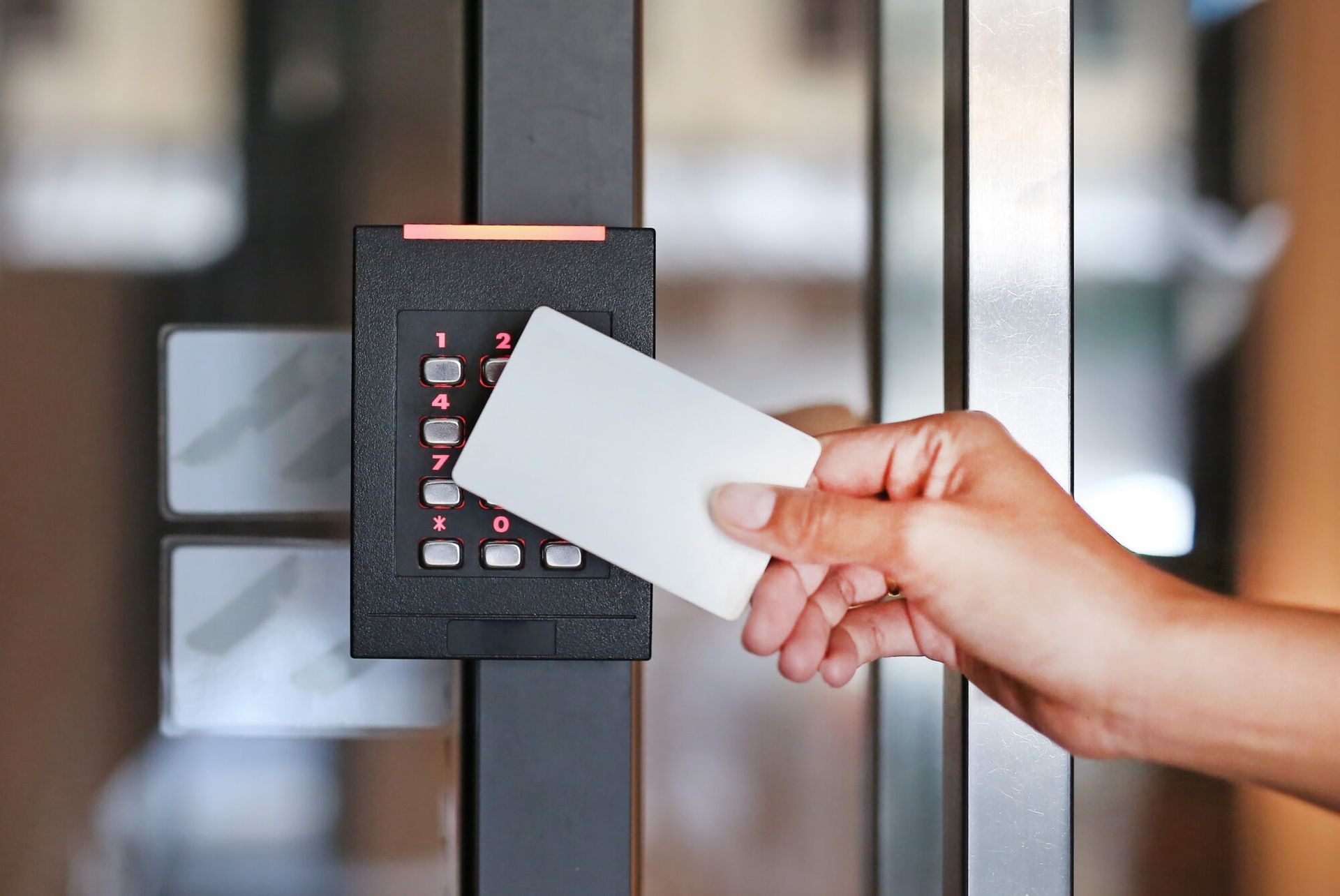
Choosing the Right Access Control Setup for Gated Communities and Commercial Sites in Atlanta
Not every property in Atlanta needs the same type of access control system. The right setup depends on the number of entry points, the volume of daily traffic, the type of users entering the site, and the level of security required. A gated community may prioritize reliable resident entry and visitor screening, while a commercial facility may focus more on staff credentials, delivery control, and perimeter security.
This is why planning matters. Before a system is installed, the property should be evaluated based on its layout, daily use patterns, and future needs. A property with one vehicle entrance and one pedestrian access point may need a very different solution from a site with multiple gates, secured internal areas, and regular vendor traffic. The most effective access control systems are designed around how the property actually functions rather than applying the same equipment to every location.
For gated communities, ease of use is often a major priority. Residents want reliable entry, guests need clear access procedures, and management wants oversight without excessive manual involvement. In commercial settings, administrators usually need stronger access control by role, better credential management, and systems that can be updated quickly as staffing or operational needs change.
A well-planned access control strategy often considers factors such as:
- The number of gates, doors, or access points that need to be controlled
- Whether the property needs keypad, credentialed, biometric, or remote access options
- How visitor access will be managed for guests, vendors, and deliveries
- Whether the property will benefit from cloud-based access control management
- How the system may need to expand as the property grows or operational needs change
For Atlanta properties, the combination of automatic gates, controlled entry tools, and centralized management often provides the best balance of security and convenience. In many cases, property owners are not just looking for a barrier — they are looking for a system that improves accountability while still allowing daily operations to move efficiently.
Power Access Control’s services align well with this need because the company works with access control systems, automatic gates, keyless entry, cloud-based access management, and biometric entry systems for both residential and commercial properties. That range of services makes it possible to tailor systems to different security goals rather than forcing a property into a generic setup.
Although Atlanta, GA remains the primary target market, these same security challenges exist throughout surrounding communities and across the Southeastern United States. Commercial properties, HOAs, industrial sites, residential estates, and managed developments throughout the region continue to adopt better entry control systems as expectations around access management become more sophisticated.
When the right access control strategy is chosen, the result is a property that is more secure, easier to manage, and better prepared to handle both current and future access needs. For gated communities and commercial sites in Atlanta, that kind of control has become an essential part of modern property security.
RECENT PROJECTS